 Organic Identification
Distinguishing Between In-Conversion & PGS Organic Products
Products in the conversion period cannot yet be sold as organic—annual crops require 6–12 months of transition before receiving PGS certification.
A trusted certification for organic products — transparent in every process, directly connecting farmers with Vietnamese consumers.
About Us
The Participatory Guarantee System (PGS Vietnam) was established in 2008 under the project “Developing a Framework for Organic Agriculture Production and Marketing in Northern Vietnam 2005–2012,” implemented by ADDA and the Vietnam Farmers' Union (VNFU).
Operating as an independent, autonomous network, it is currently sponsored by the Center for Organic Agriculture Development and Support (CODAS) under the Vietnam Organic Agriculture Association (VOAA). PGS Vietnam has been an IFOAM member since 2009, embracing transparency as its guiding principle to ensure organic quality.
IFOAM — 2005
The guiding principles steering production and the development of organic agriculture standards worldwide.
Organic agriculture sustains and enhances the health of soil, plants, animals, humans, and the planet as one and indivisible.
Organic agriculture is based on living ecological systems and natural cycles, adapting to local conditions, and sustaining biodiversity.
Building fair relationships among all stakeholders: farmers, workers, distributors, traders, and consumers, while respecting the shared environment.
Managing in a precautionary and responsible manner to protect the environment, health, and well-being of present and future generations.
PGS Certification
Farmer households establish organic production groups and jointly sign a commitment to comply with PGS Vietnam standards and group regulations.
Members receive training in organic farming practices, maintain production logs, and complete their certification application dossiers.
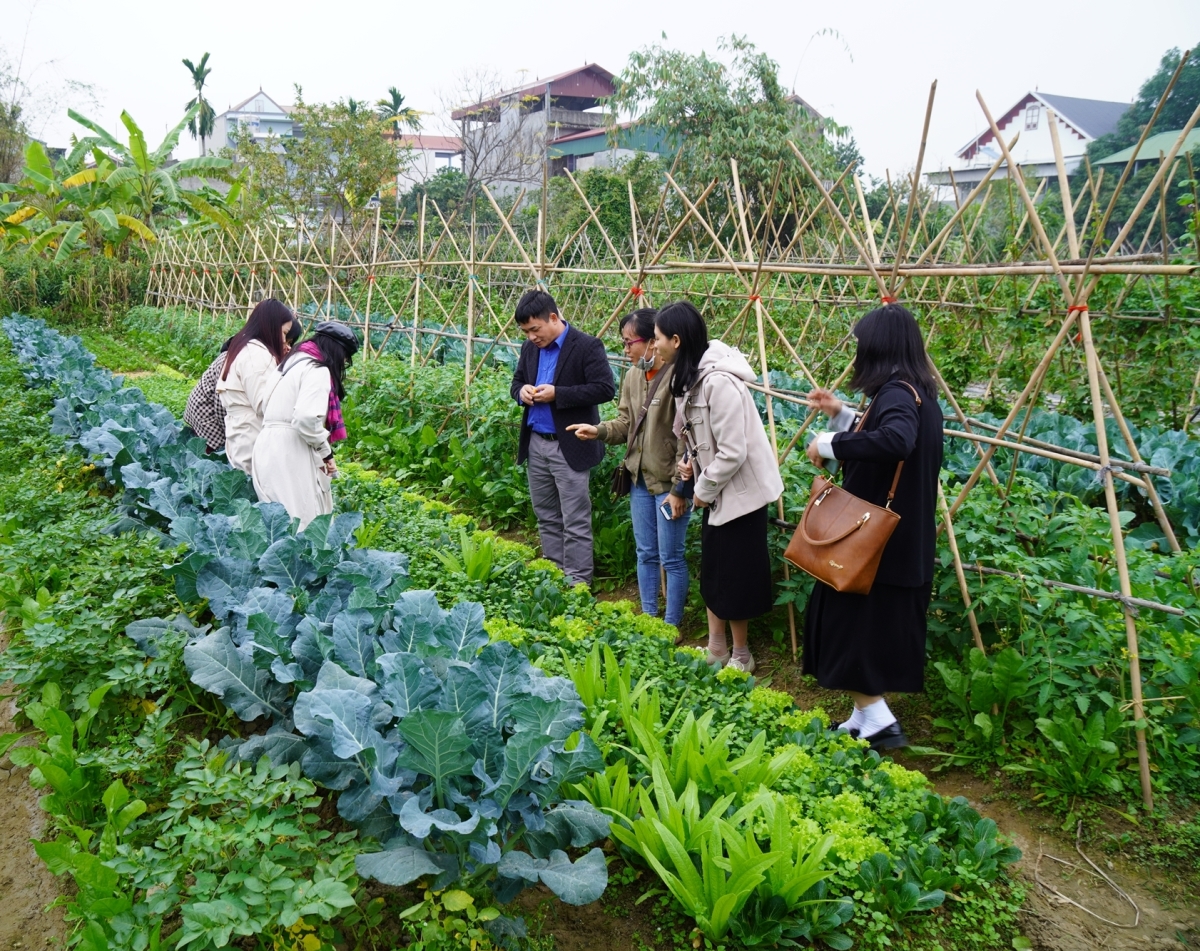
Groups conduct peer reviews alongside consumer and business representatives — cross-checking actual field practices against written logs.
The PGS Vietnam Coordination Board compiles inspection results, conducts appraisals, and grants certification to eligible groups.
Products are labeled with the PGS Organic seal. Groups undergo routine monitoring and annual re-evaluations to maintain certification.
5 chapters — 124 standards
PGS Vietnam Standards — the only domestic market certification in Vietnam recognized by IFOAM.
 PGS Standards
The PGS Vietnam standard comprises 5 chapters and 124 standards — serving as the only domestic market certification in Vietnam recognized by IFOAM.
Read more → PGS Standards
A summary of basic PGS standards version V3 — a quick reference document for producer groups and farmer households.
Read more → PGS Standards
The set of PGS Vietnam standards for crop and livestock producers, aligned with IFOAM and National Standards.
Read more →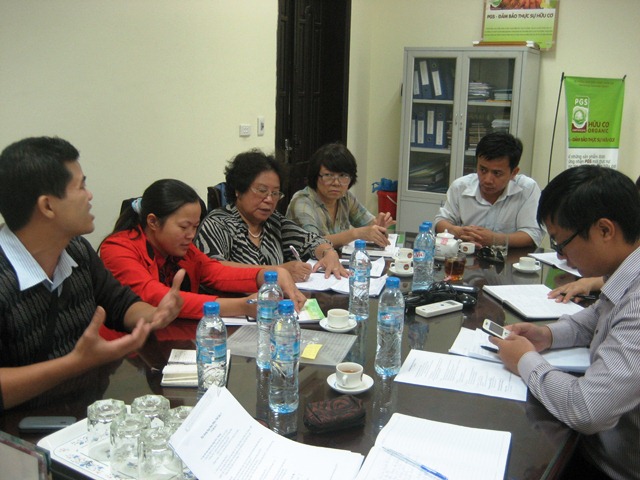 PGS Standards
The PGS Coordination Board reviewed monitoring, inspection, and certification activities in Luong Son and Thanh Xuan, while approving the upcoming action plan.
Read more →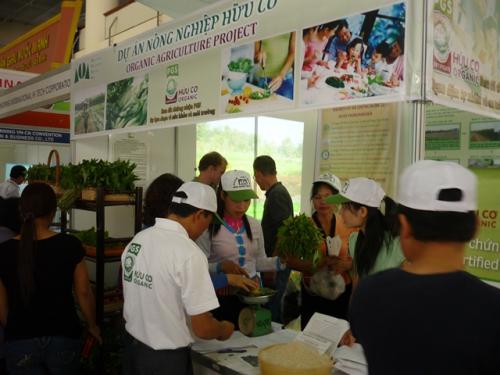 PGS Standards
Guidelines helping retailers uphold PGS core values, properly distinguishing and clearly labeling organic products from conventional ones.
Read more →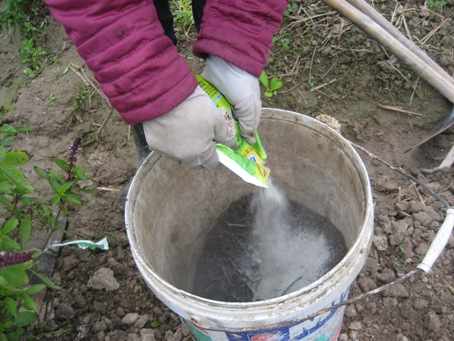 PGS Standards
List of inputs for improving soil fertility that are permitted or restricted under PGS standards.
Read more →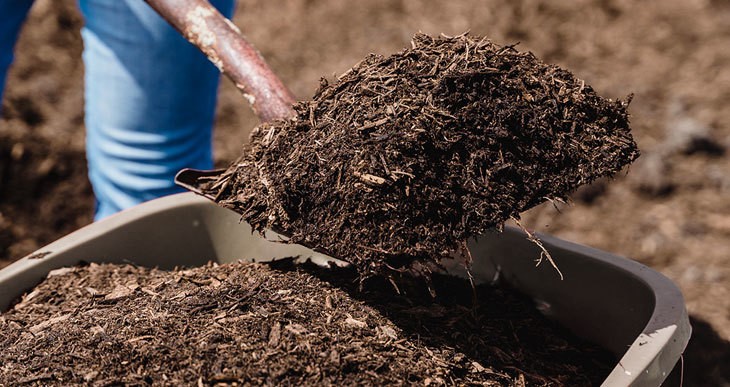 PGS Standards
Complete list of allowable inputs in organic production according to PGS Vietnam standards.
Read more →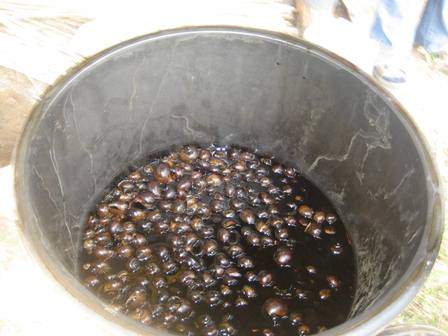 PGS Standards
Parts 3 & 4 of the approved input list for organic farming.
Read more →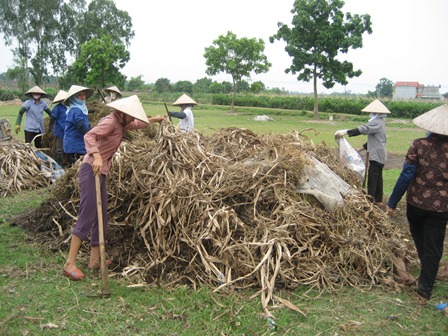 PGS Standards
Part 2 of the approved input list for organic production.
Read more →From the Fields
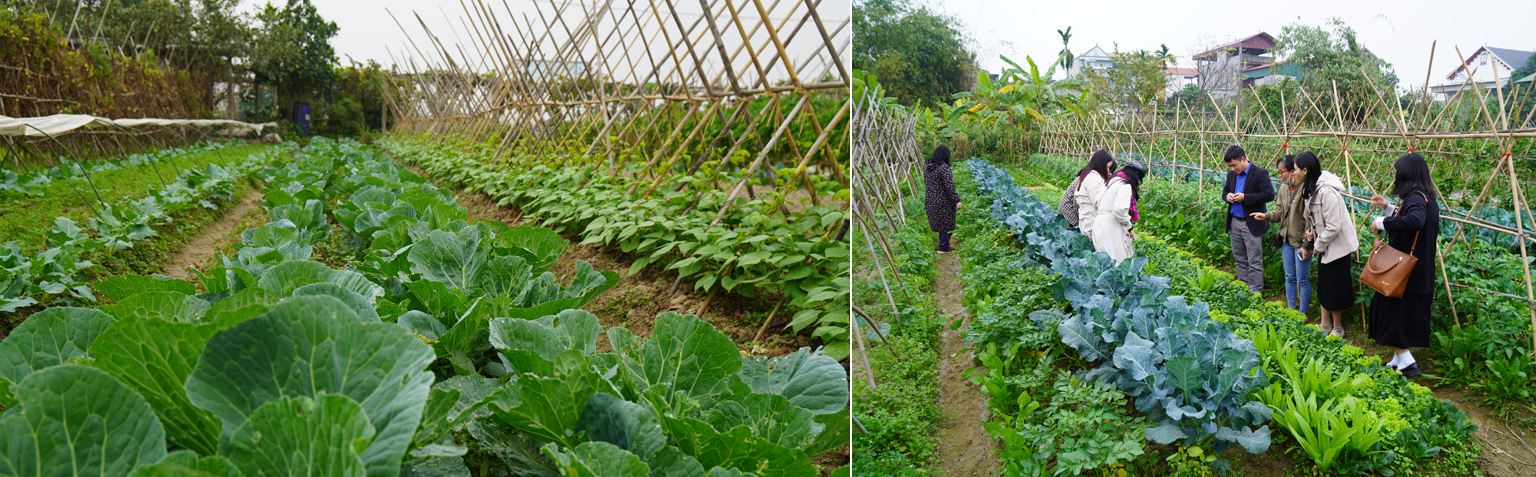
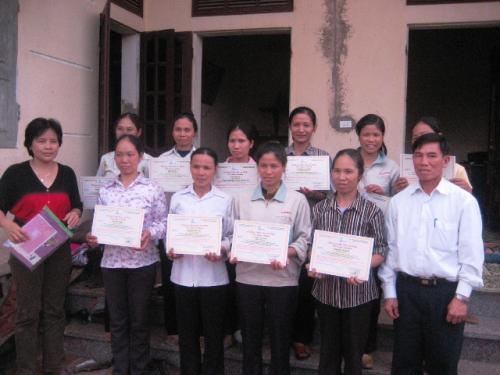
Producer groups and organic farming practices complying with PGS standards.
 Producer Groups
List of PGS organic producer groups actively operating in Luong Son Inter-group (Hoa Binh) and Thanh Xuan Inter-group (Soc Son, Hanoi).
Read more →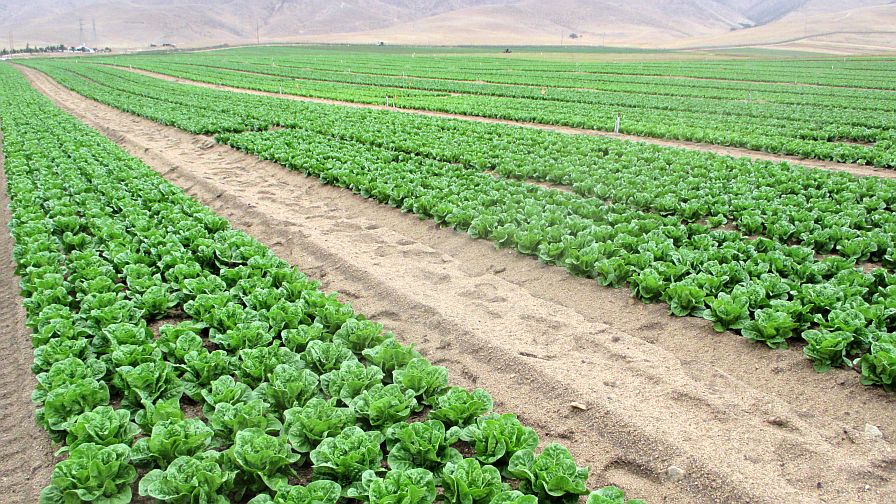 Production Process
The complete organic vegetable production process from site selection, hot composting, planting, and crop care to harvesting under PGS standards.
Read more →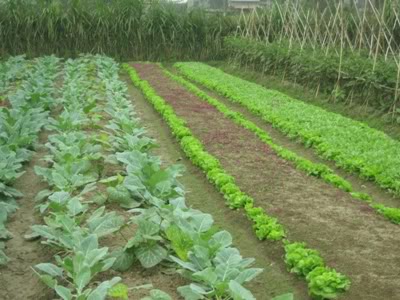 Production Process
Techniques for planting, caring for organic crops, and managing pests using biological controls and natural predators instead of chemical pesticides.
Read more →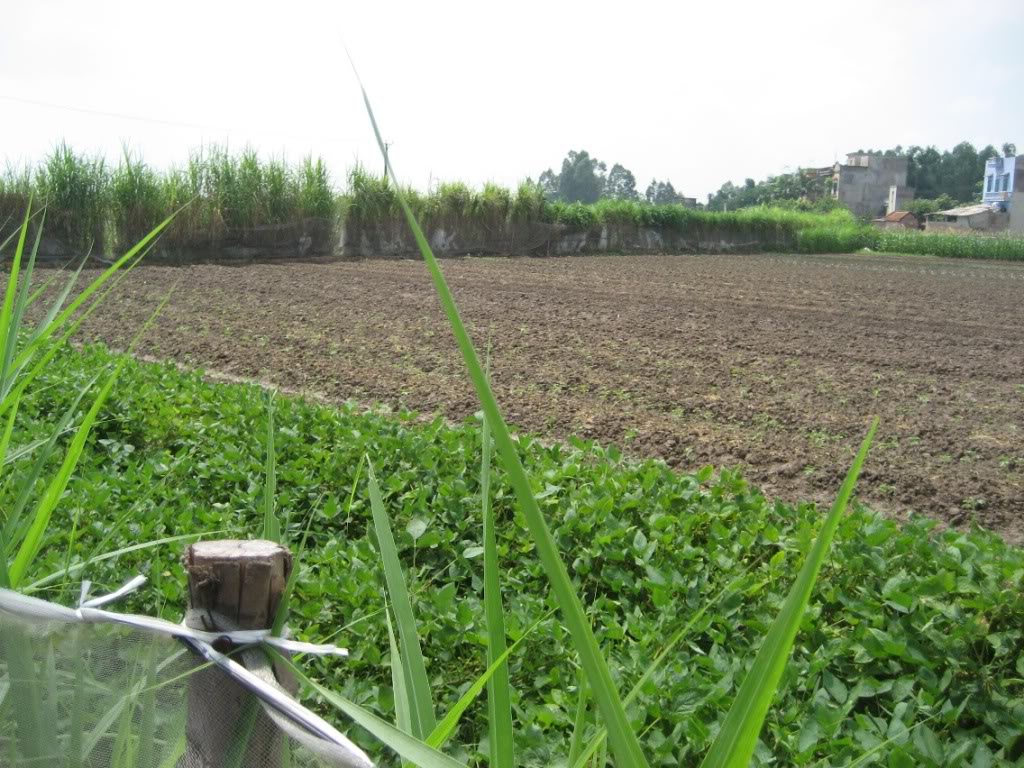 Production Process
Organic production areas must be isolated from contamination sources, featuring buffer zones to block chemicals from neighboring fields — organic crops must be planted at least 1 meter away from the buffer zone.
Read more →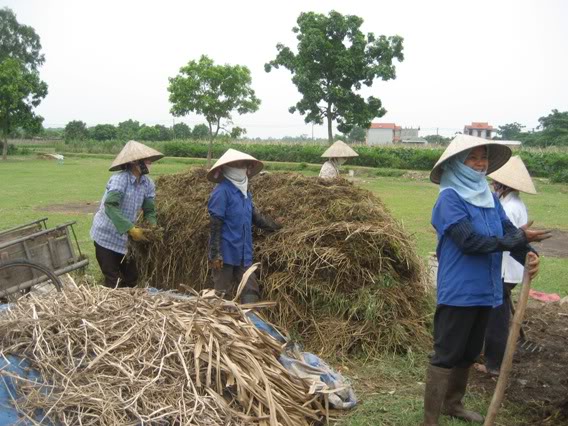 Production Process
Hot compost replenishes organic matter and restores soil fertility; properly prepared soil fosters healthy plants and curbs pest reservoirs prior to planting.
Read more →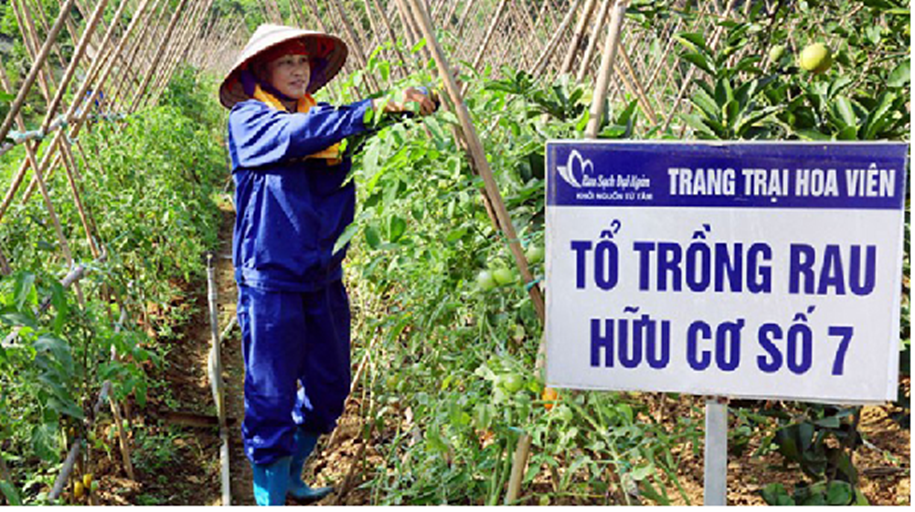 Production Process
Safe and organic vegetable farming models in Thach That are steadily proving their economic efficiency, improving product quality, and boosting farmers' income.
Read more →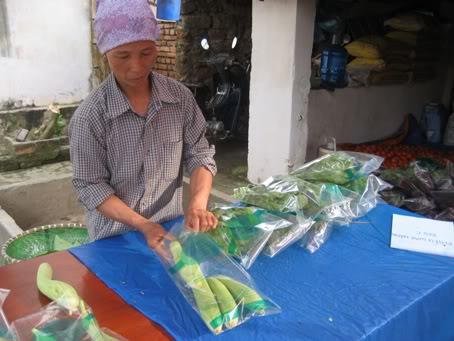 Production Process
Organic vegetables are harvested, processed with clean water, kept separate from conventional produce, and labeled with PGS traceability codes.
Read more →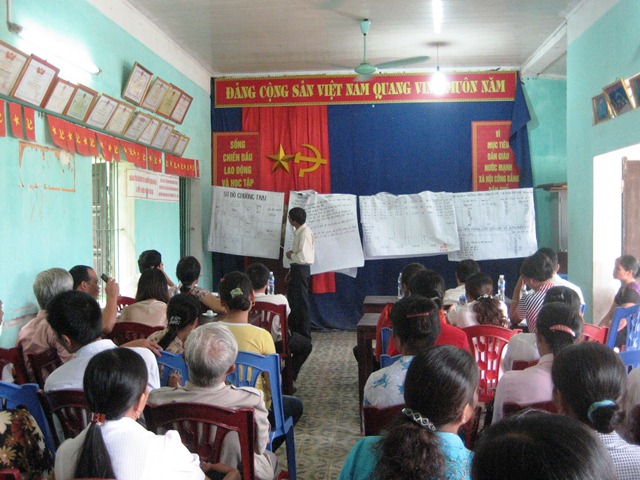 Production Process
The field workshop in Dong Bung shared trial results in organic pig raising, feed formulation techniques, care practices, and the integration of livestock with organic crops.
Read more →For Consumers
 Organic Identification
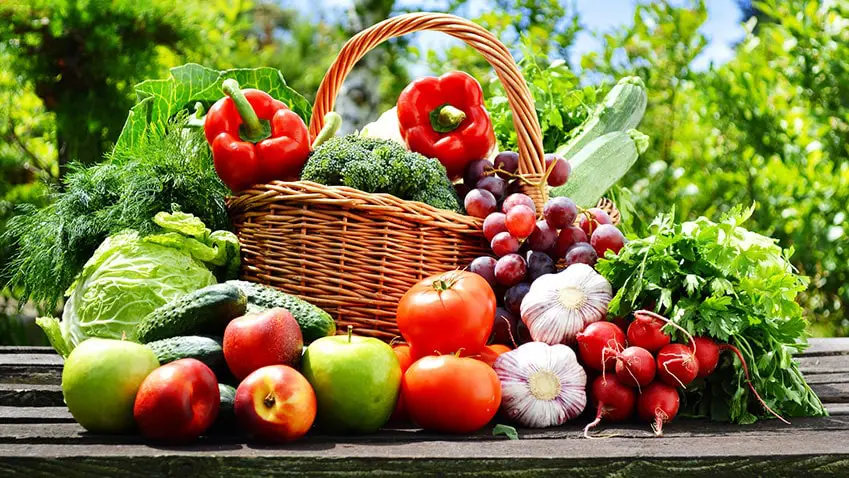
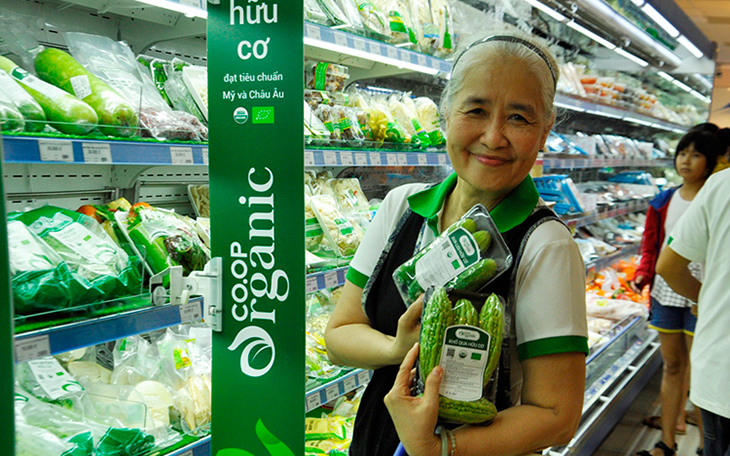
Organic food is grown and raised according to organic agriculture standards—free from synthetic chemicals, growth hormones, and genetically modified organisms.
Read more →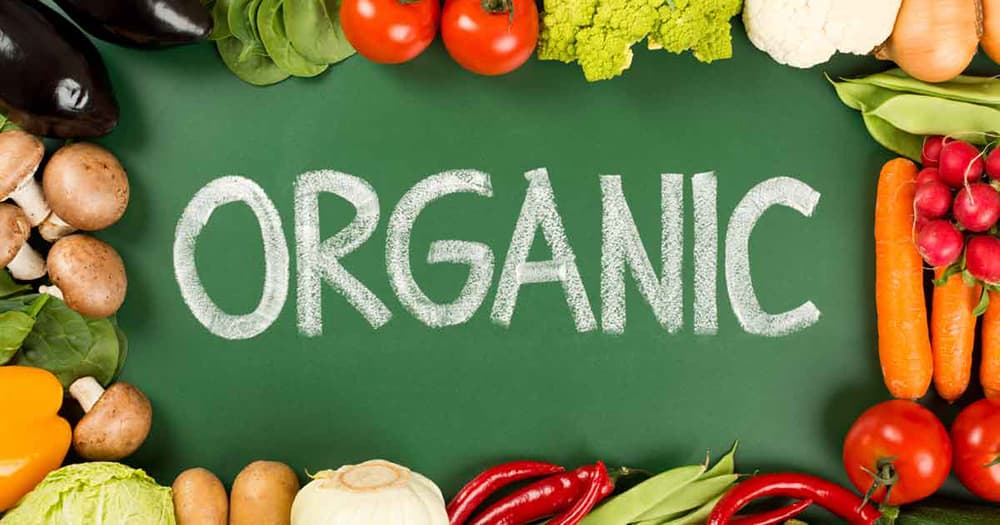 Organic Identification
Clean food may still use chemicals within permitted thresholds, while organic products use none at all—two concepts often confused by consumers.
Read more →Organic IdentificationProducts in the conversion period cannot yet be sold as organic—annual crops require 6–12 months of transition before receiving PGS certification.
 Organic Identification
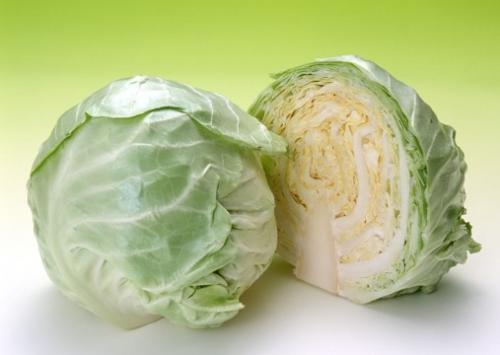
A sensory comparison table between organic cabbage (Soc Son) and safe cabbage (Ha Dong): color, crispness, core stem, cooking water, and flavor.
Read more →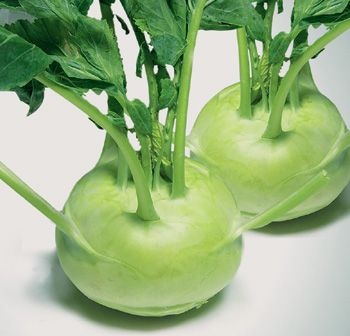 Organic Identification
A sensory comparison table between organic kohlrabi (Soc Son, Luong Son) and safe kohlrabi: skin color, toughness of the skin, cross-section, cooking water, and taste.
Read more →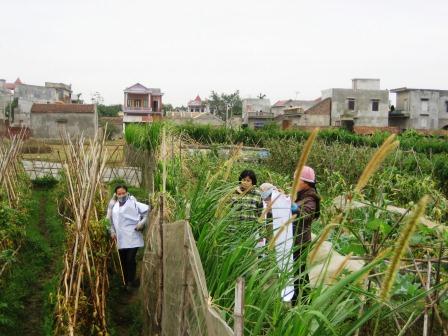 Identifying Organic Products
A comprehensive comparison of soil, water, nutrients, plant protection, yield, quality, and monitoring mechanisms between organic and safe vegetables.
Read more →Where to buy
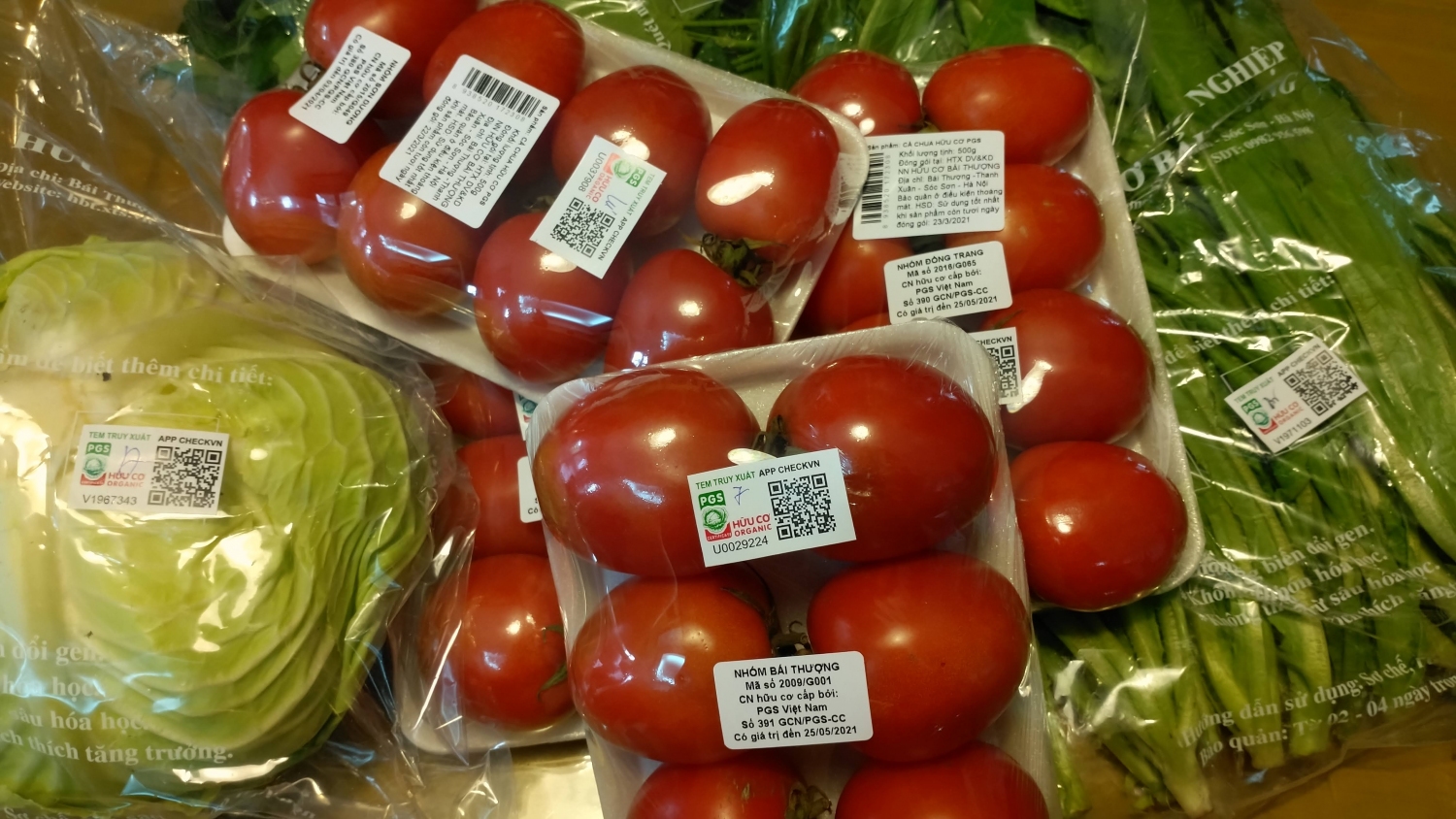
PGS organic vegetables are currently available at clean food store chains and supermarkets across Hanoi and many other provinces.
 Where to buy
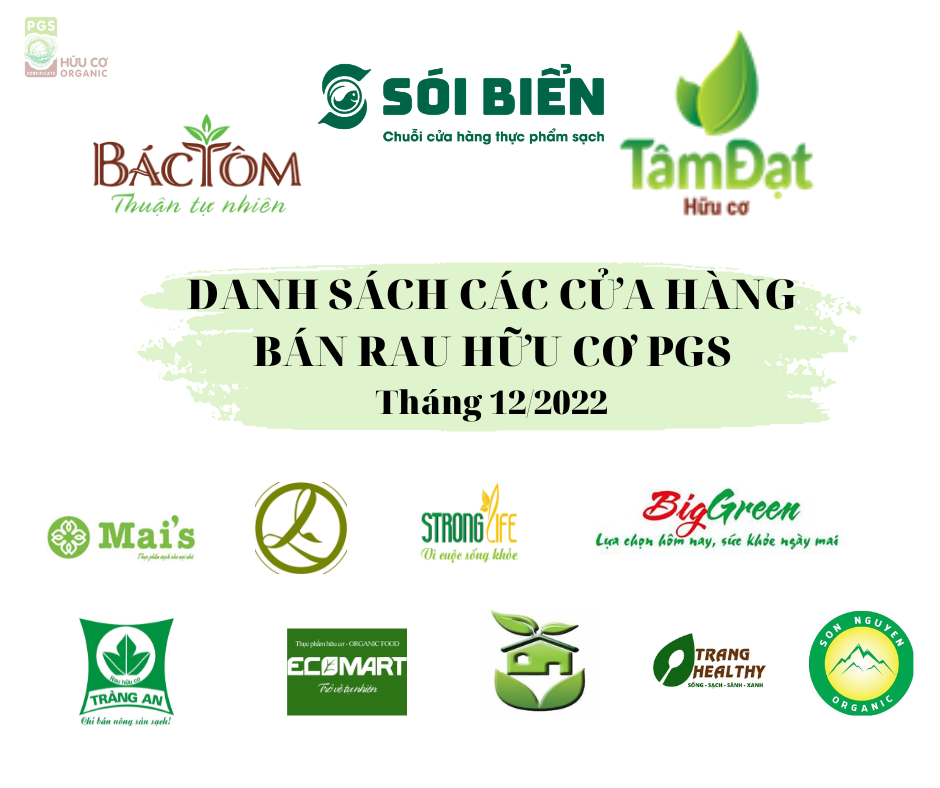
List of stores and supermarkets providing PGS organic vegetables in Hanoi and surrounding areas, updated December 2022.
Read more →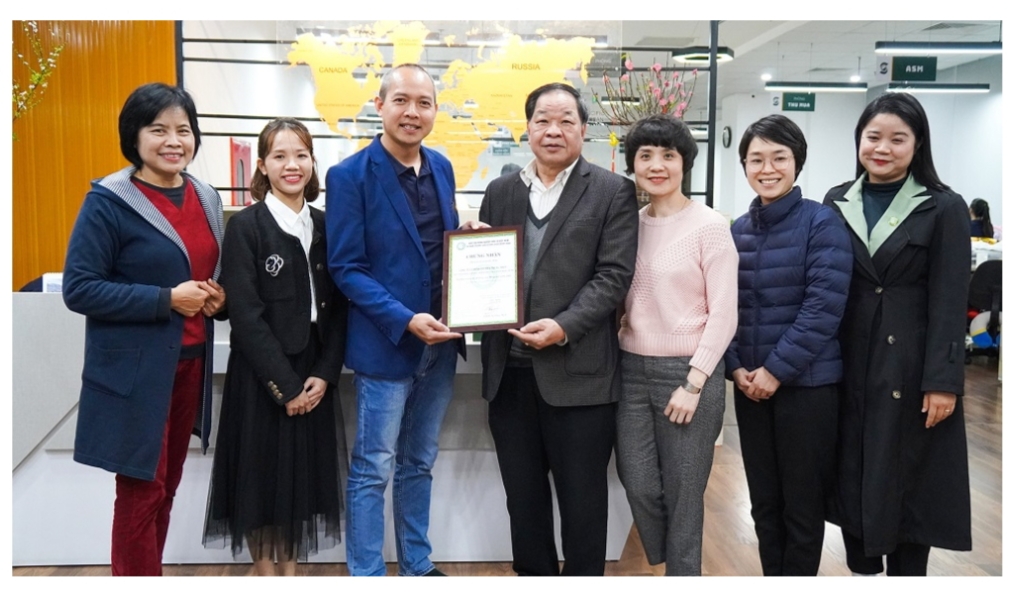 Where to buy
The Soi Bien clean food chain has officially become a member of the Vietnam Organic Agriculture Association (VOAA).
 Where to buy
List of stores selling PGS organic vegetables in Hanoi by district — updated October 20, 2021, by the PGS Vietnam Office.
Read more →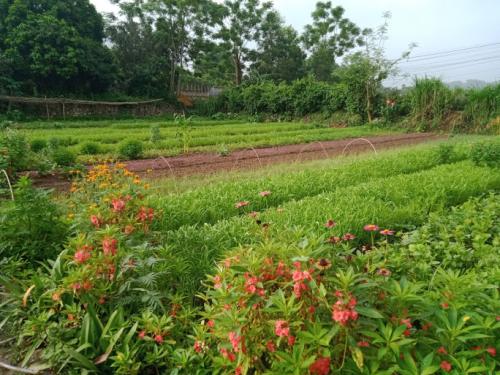 Where to buy
PGS farmers stay committed to their fields despite the scorching heat — and here is the list of locations selling PGS organic vegetables for consumers to contact.
Read more →Across the country
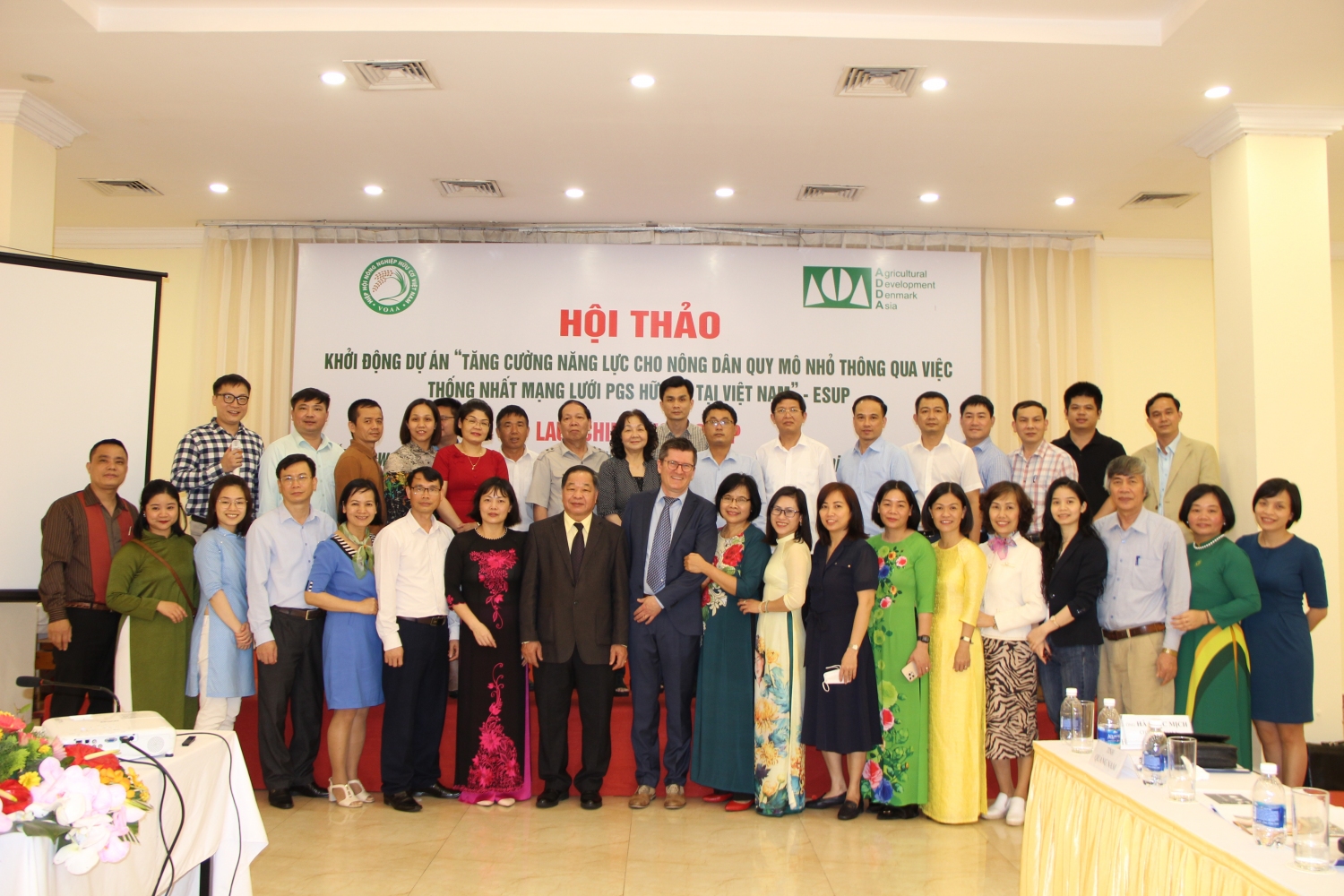
Activities developing PGS organic producer groups nationwide.
 PGS Network
Supporting smallholder farmers in accessing organic markets and increasing incomes through the Participatory Guarantee System (PGS).
Read more → PGS Network
The MOAP Project Management Board surveyed and selected suitable organic production areas in Quyet Chien Commune, Tan Lac District.
Read more →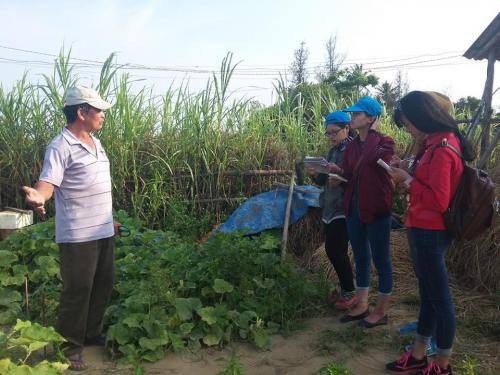 PGS Network
Thanh Dong Organic Vegetable Garden (Hoi An) — the pioneering model for the organic agriculture movement in Central Vietnam.
Read more →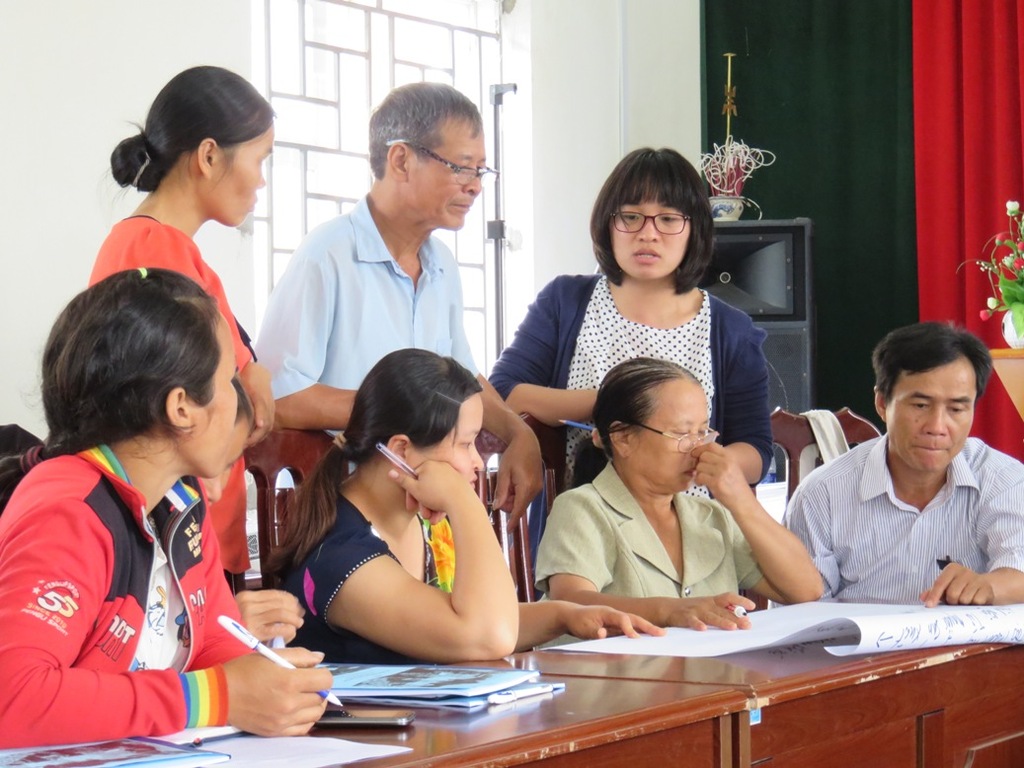 PGS Network
A training course on operating the PGS system for organic producer groups in Tan Lac District, Hoa Binh Province.
Read more →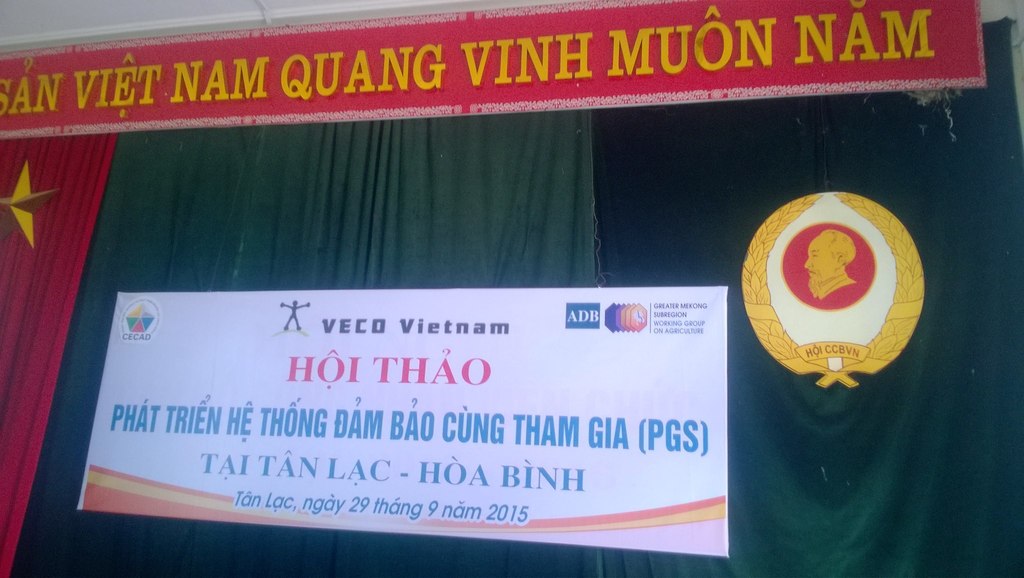 PGS Network
The journey of building and developing the organic PGS system in Tan Lac District, Hoa Binh Province.
Read more →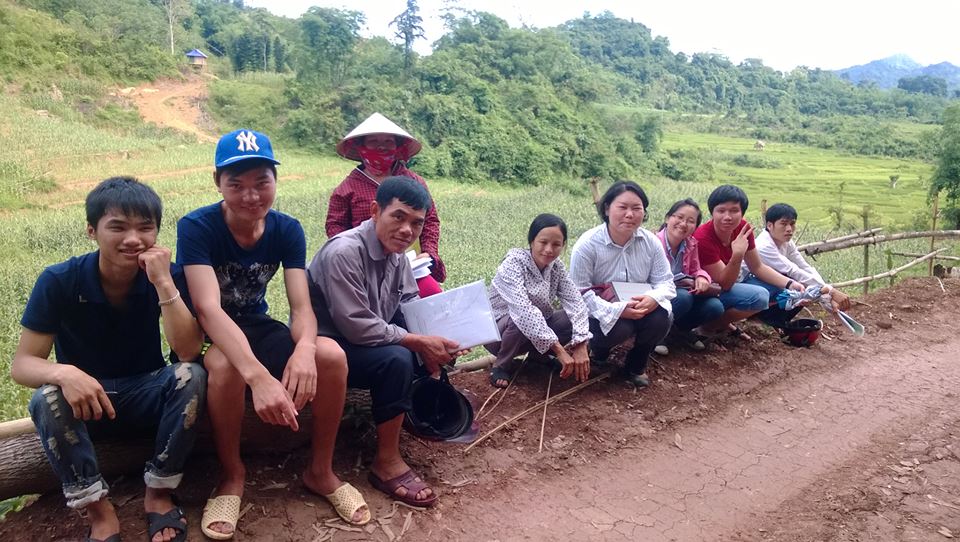 PGS Network
Members of the Seed to Table Organization joined Tan Lac Intergroup members during a peer-review inspection.
Read more →Expert Perspectives
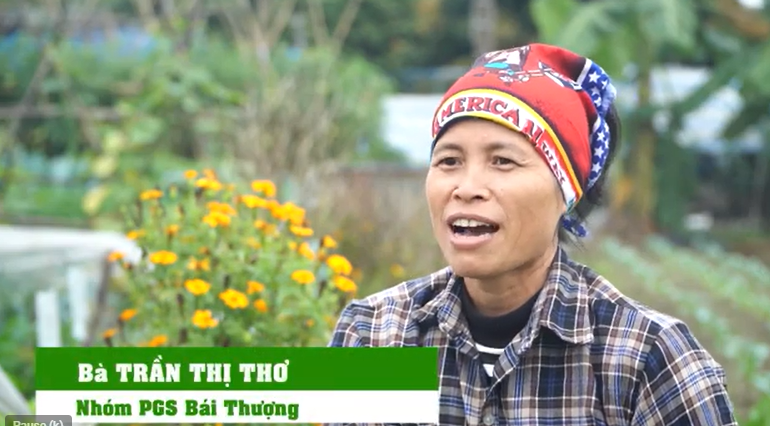
A documentary showcasing the journey of PGS organic vegetables from the field to the consumer's table.
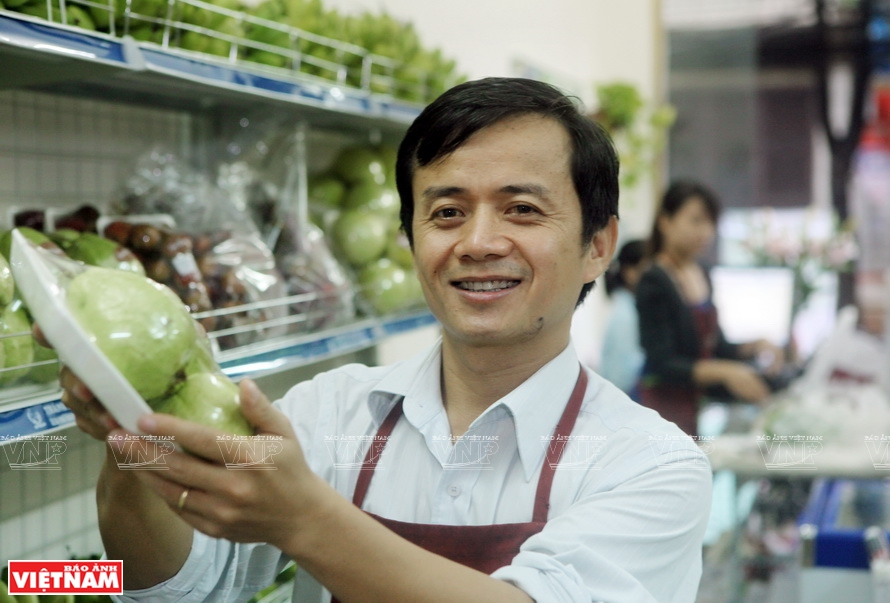
Presentation and Q&A on PGS Vietnam by Mr. Tran Manh Chien – CEO of Bac Tom clean food chain during the seminar “Organic Agriculture and Participatory Guarantee Systems (PGS)” at 19:30 on November 25, 2021.
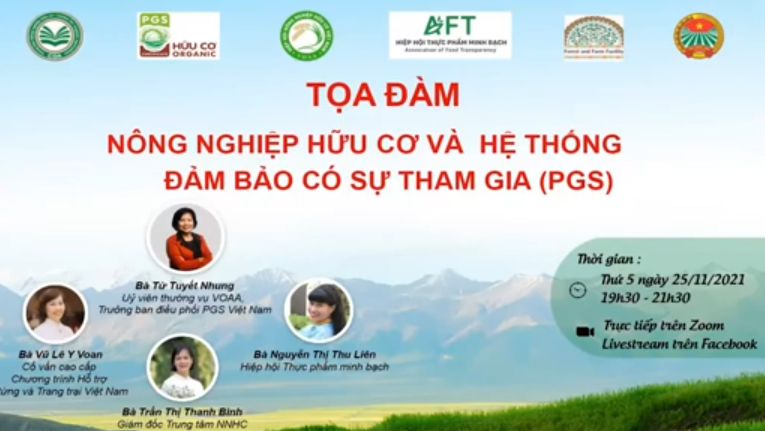
Presentation and Q&A on the PGS Organic Agriculture Standards by Ms. Tu Thi Tuyet Nhung – Head of the PGS Vietnam Coordination Committee during the seminar "Organic Agriculture and Participatory Guarantee Systems (PGS)" at 19:30 on November 25, 2021.
Moments
Join the PGS Vietnam network — partner with us to bring transparent organic products closer to every Vietnamese family.