
Organic food is an increasingly popular term in the food sector thanks to the benefits it brings, such as protecting human health and preserving the natural environment. Join PGS Vietnam in exploring the article below to gain a deeper understanding of organic food!
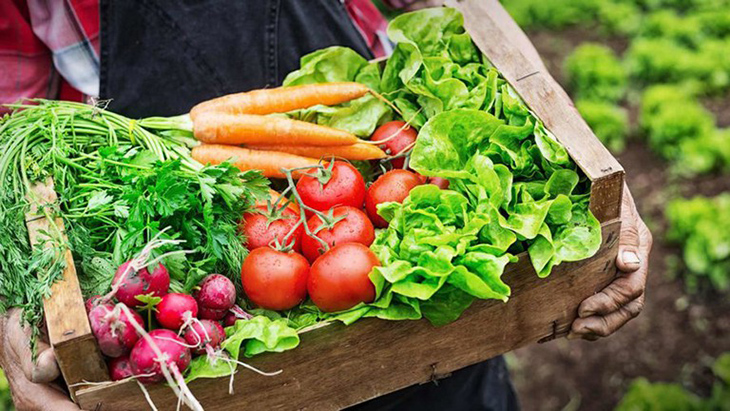
1. What is Organic Food? The Trend Toward Organic Food Consumption
Concepts and Organic Production Methods
Organic food refers to foods produced or cultivated following the principles and standards of organic agriculture, which strictly avoid synthetic chemicals (pesticides, synthetic fertilizers, artificial preservatives, etc.), growth hormones, antibiotics, and genetically modified organisms (GMOs).
Many people often confuse organic food with "clean food" or homegrown produce. However, these concepts are fundamentally different. "Clean food" refers to foods cultivated under management practices that allow the safe, regulated use of synthetic pesticides and fertilizers. Meanwhile, products seeking organic recognition must undergo rigorous verification processes and achieve formal organic certification.
Organic food has become a global dietary trend. In Vietnam, the movement toward consuming organic food is gaining significant momentum. Beyond providing safe, nourishing sustenance for human health, organic farming also helps protect the environment, maintain ecological balance, and preserve biodiversity.
2. Organic Food Standards
To achieve organic certification, products must be grown, processed, and handled in compliance with the established standards of the country where the organic food is marketed and consumed.
Organic certification is granted to verify that a product meets organic production requirements. Depending on the percentage of organic ingredients achieved under applicable regulations, corresponding label claims are granted. This certification serves to verify food safety and integrity.
Each organic standard sets forth rigorous requirements across seed selection, water sources, soil management, and fertilizers to ensure compliance with organic principles. The United States Department of Agriculture (USDA) National Organic Program represents one of the strictest standards worldwide—requiring products to contain at least 95% organic ingredients to display the official seal.
- “100% Organic” Label: 100% of ingredients are organically produced.
- “Organic” Label: At least 95% or more of ingredients are organic.
- “Made With Organic Ingredients” Label: Contains at least 70% organic ingredients.
- “Less Than 70% Organic Ingredients” Label: Less than 70% organic ingredients.
3. Benefits of Organic Food
Organic food is free from preservatives and synthetic chemicals, making it safer for human health while preserving freshness, natural flavor, and high nutritional value. Furthermore, organic farming practices actively safeguard soil health, clean water resources, and biodiversity for future generations.
In Vietnam, consumers can identify authentic, trustworthy organic products through the PGS certification label—a participatory guarantee system recognized by IFOAM for the domestic market.
Need Guidance on PGS Certification?
Contact the PGS Vietnam Coordination Board for support.
Contact Us Now