
Organic vegetables and safe vegetables differ throughout the entire production chain: soil, water, crop nutrition, plant protection, yield, quality, and monitoring mechanisms.
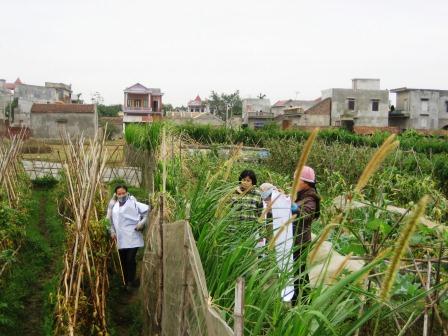
Detailed Comparison Table
Soil Requirements and Farming Conditions
| Criteria | Organic Vegetables | Safe Vegetables |
|---|---|---|
| Soil | Designated in planned zones with buffer zones protecting against external contamination risks; soil is tested to ensure freedom from heavy metals and toxic chemicals. Soil fertility is continuously improved and sustained. | Designated in planned zones, subject to occasional sampling and testing by authorities. Difficult to control, with high risks of contamination. |
| Water | Sourced from drilled or dug wells, tested to meet organic production standards and regularly monitored, free from chemicals and heavy metals. | Sourced from rivers, lakes, ponds, streams, or drilled wells; difficult to monitor potential contamination risks. |
| Crop Nutrition | No synthetic chemical fertilizers, growth stimulants, or genetically modified products. Only organic inputs are used: thermophilic compost, green manure, soybeans, golden apple snails, banana pseudostems, mollusk shells, fish bones, etc. Nutrients are naturally supplied through microbial activity. | Manure, bio-fertilizers, foliar fertilizers, growth stimulants, and synthetic chemical fertilizers are permitted. Synthetic fertilizers do not nourish the soil, are easily overused, and leave produce vulnerable to chemical residues. |
| Plant Protection | No synthetic chemical pesticides; enhances biodiversity through intercropping, crop rotation, trap crops, and repellent crops; manual pest removal, chemical-free traps, botanical preparations (ginger, garlic, alcohol), or biological products approved by PGS. | Synthetic chemical pesticides on the permitted list are allowed with required pre-harvest intervals; predominantly monoculture, resulting in high pest pressure and elevated risks of chemical residues. |
| Yield | 25%–40% lower compared to conventional production | High yield |
| Quality | Crops grow naturally over a longer growth cycle, accumulating more nutrients; high mineral and vitamin content. | Forced to grow rapidly, accumulating fewer nutrients, with low mineral and vitamin content and high water retention. |
| Monitoring & Oversight | Regularly and collectively monitored by distribution companies, consumers, farmer inter-groups, and the PGS Coordination Board; fully traceable to individual producers with strict sanctions for non-compliance. | Mainly relies on producer self-compliance; limited reliability and difficult traceability. |