
Selection & Preservation Tips
Tips for choosing, preparing, and preserving fresh, healthy, and safe food.
New articles about Selection & Preservation Tips
 Selection & Preservation
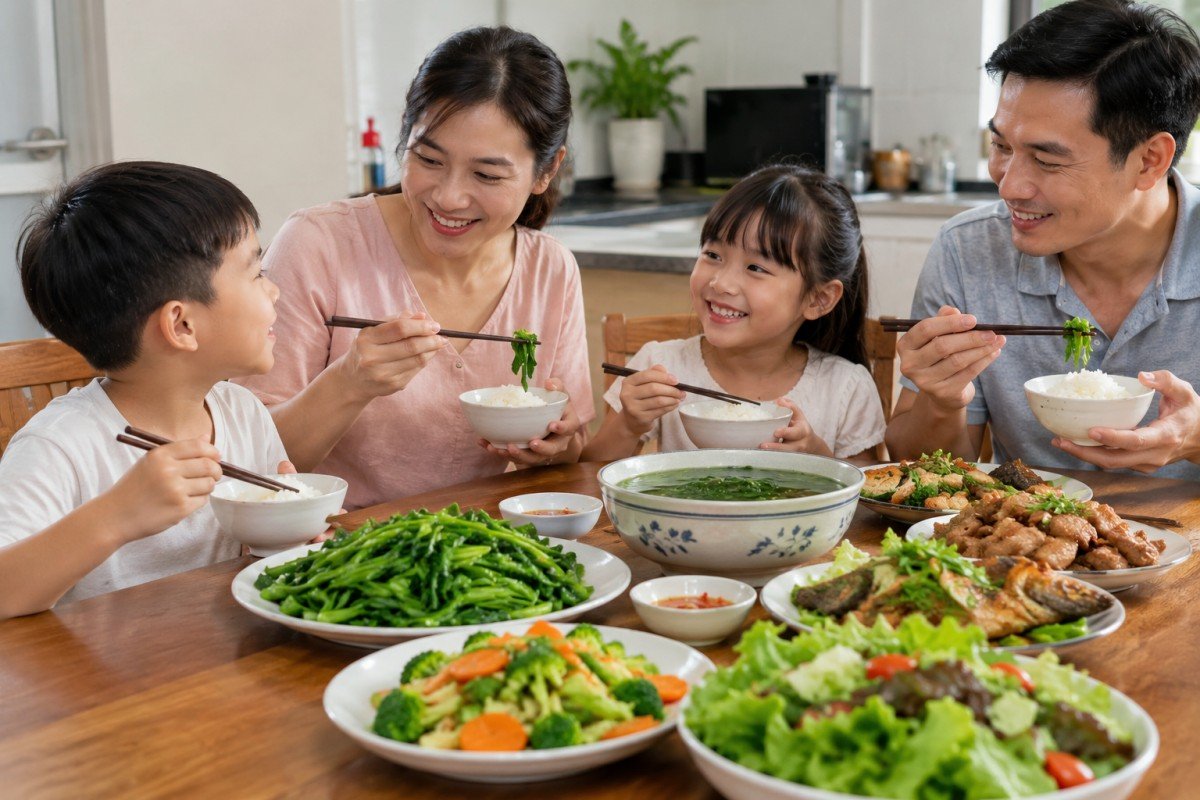
5 tips to increase vegetables in family meals
Increasing vegetables in meals is not difficult if you know how to choose, prepare, and process them appropriately. A few small changes can help the whole family enjoy eating vegetables more.
Read more →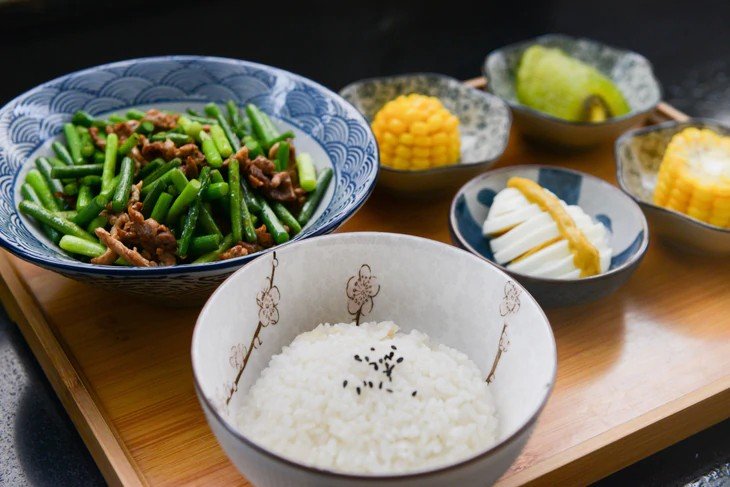 Selection & Preservation
2 tips to help save time and control oil and salt in meals
Even when busy, you can still maintain healthy meals by prepping food in advance and utilizing kitchen appliances to save time.
Read more →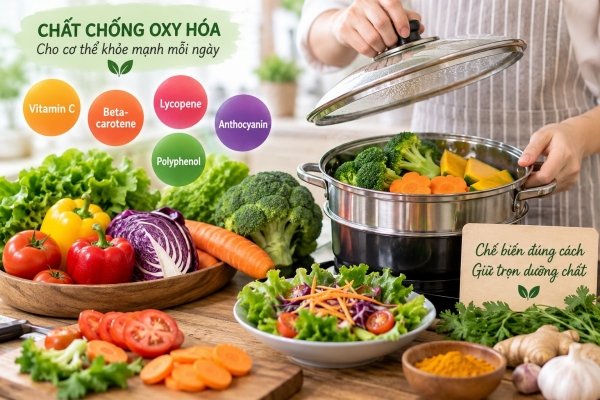 Selection & Preservation
Food processing tips to help retain antioxidants
High temperatures and overcooking can deplete antioxidants in food. Choosing the right preparation method will help preserve nutrients.
Read more →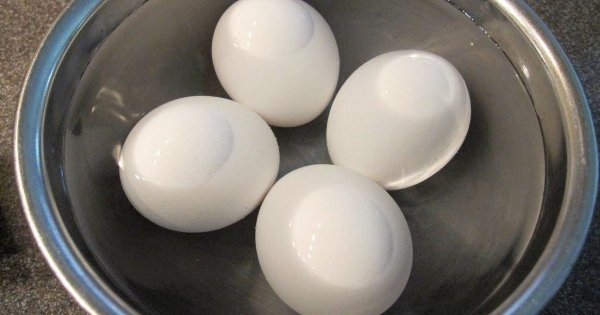 Selection & Preservation
Should you soak boiled eggs in cold water?
Many people soak boiled eggs in cold water for easier peeling but worry about the risk of bacterial contamination. Experts say this is a safe habit if using clean water.
Read more →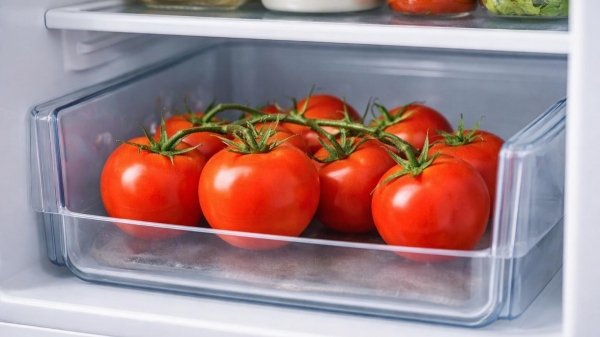 Selection & Storage Tips
4 types of fruits and vegetables that should not be frozen as they lose nutrients and become mushy
Not all types of fruits and vegetables are suitable for storage in the freezer. Here are 4 types of food to avoid freezing to maintain freshness and nutritional value.
Read more →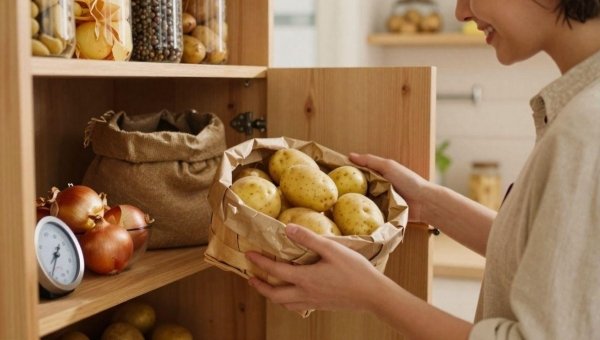 Selection & Storage Tips
How to store potatoes to prevent sprouting, keep them fresh longer and safe for health
Potatoes sprout very easily if stored incorrectly. Applying these simple tips below will help keep potatoes fresh longer, limit sprouting, and ensure safety.
Read more →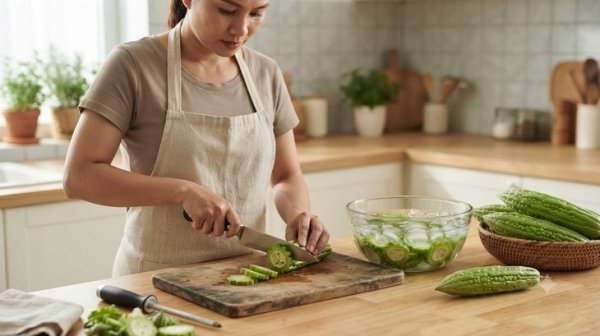 Selection & Storage Tips
Tips to reduce bitterness in bitter melon for a crunchy, delicious and easy-to-enjoy dish
Bitter melon is nutrient-rich but its bitter taste makes many people hesitant. Some simple preparation and cooking tips will make the dish more delicious and easier to eat.
Read more →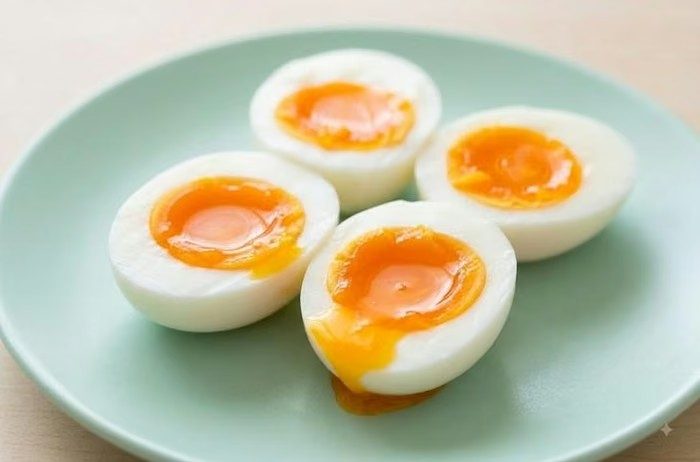 Selection & Storage Tips
Soft-boiled eggs: Delicious but be mindful of bacterial infection risks
Soft-boiled eggs maintain a soft and creamy texture but still pose a risk of bacterial infection, especially for young children, the elderly, pregnant women, and the immunocompromised.
Read more → Selection & Storage Tips
What makes honey a rare food that has no expiration date?
Honey has long been considered nature's “immortal food” as it can last for thousands of years without spoiling if stored properly.
Read more →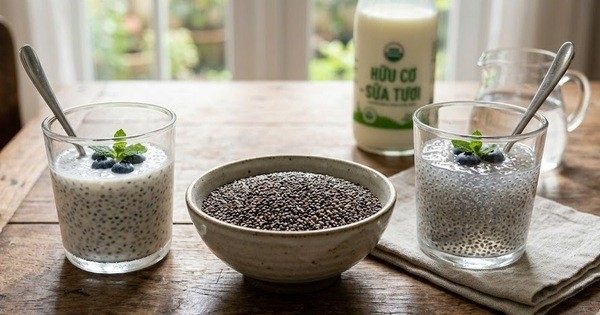 Selection & Storage Tips
Why do you need to soak chia seeds before eating?
Chia seeds need to be soaked before eating for easier digestion and better nutrient absorption.
Read more →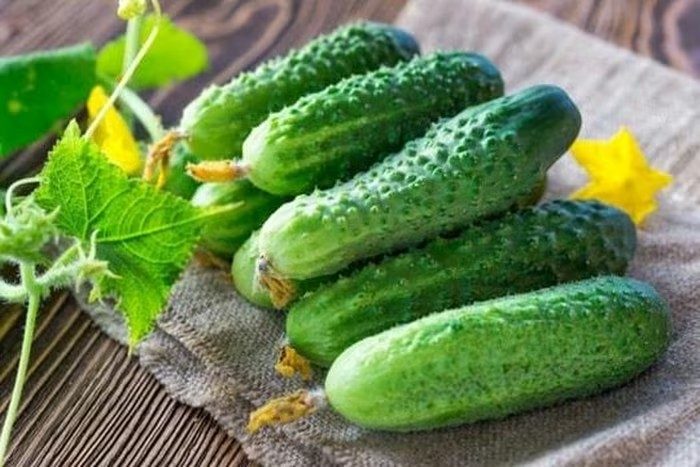 Selection & Storage Tips
Eating bitter cucumber and how to choose cucumbers without worrying about toxins
Cucumber is one of the most popular cooling foods during summer. From refreshing salads to delicious juices, cucumbers always provide a refreshing feeling...
Read more →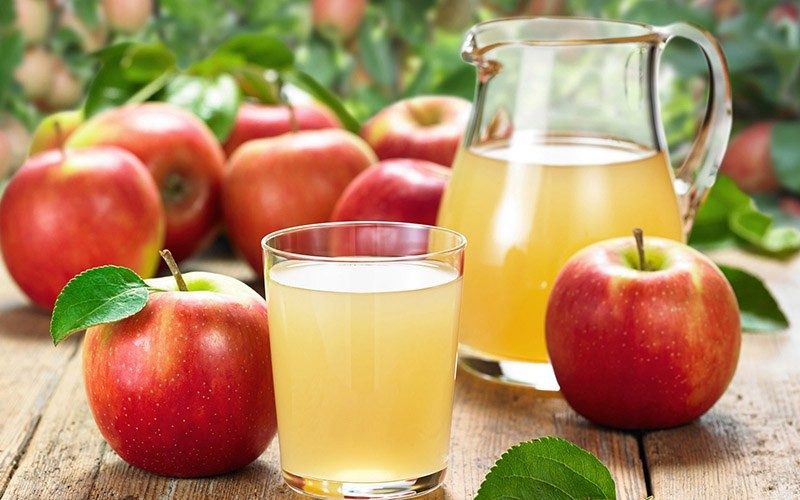 Selection & Storage Tips
Oxygen-limited apple juicing method to preserve polyphenols
Research introduces vacuum apple juicing to preserve polyphenols; experts also note sugar content and recommend prioritizing whole fruit.
Read more →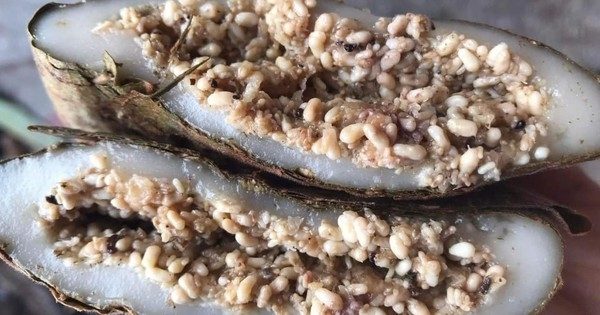 Selection & Storage Tips
The "culprit" causing allergies in unique ant egg cakes?
Ant egg cake is a unique dish from the Northern mountains. Although delicious and exotic, there are cases of allergies when trying this seasonal specialty.
Read more →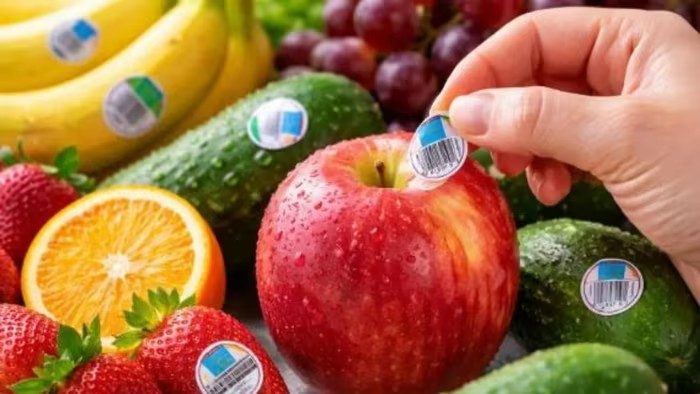 Selection & Storage Tips
Seemingly harmless fruit stickers may pose hidden health risks
Thought to be harmless stickers, the adhesive residue left on fruit can become a source of chemical and bacterial exposure that many people often overlook.
Read more →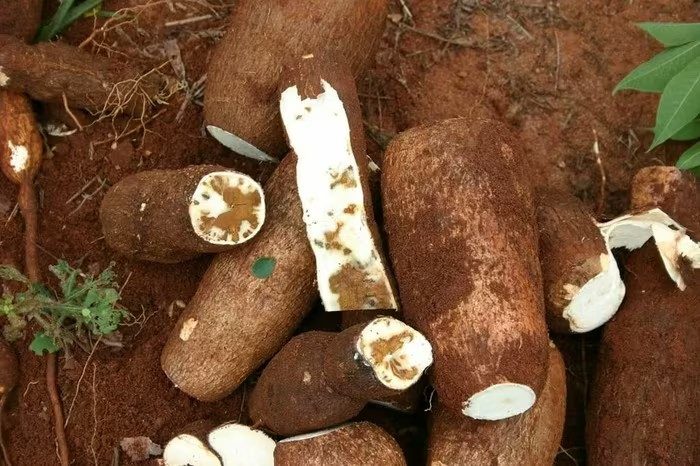 Selection & Storage Tips
Little known: Familiar cassava can contain natural toxins
Cassava is an important starch source, but the tubers and leaves contain compounds that can release cyanide; the article discusses characteristics, applications, and processing notes.
Read more →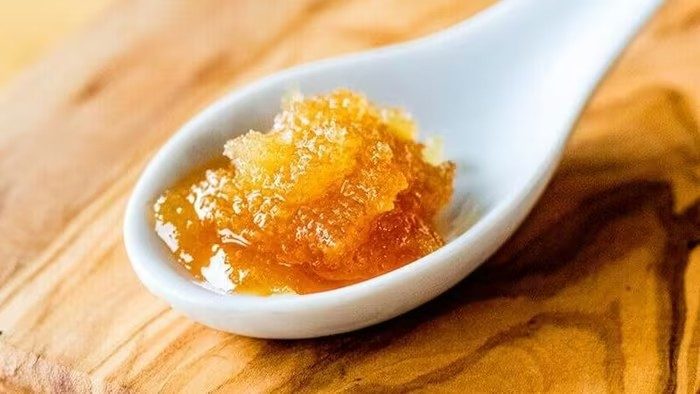 Selection & Storage Tips
Why honey "crystallizes" and facts not everyone knows
The phenomenon of honey 'crystallizing' with tiny grains or becoming solid makes many worry about quality, but in fact, this is a natural change, not a sign of spoilage...
Read more →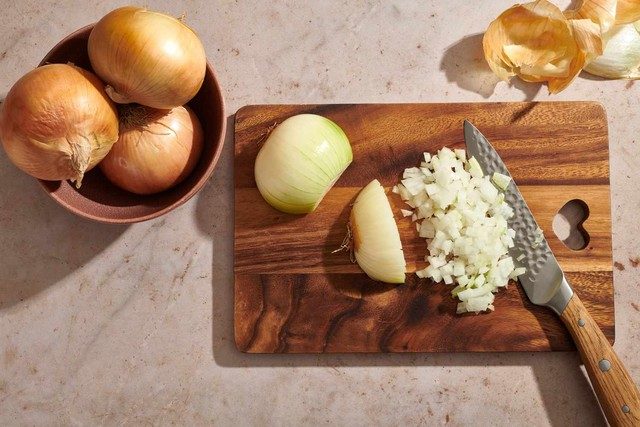 Selection & Storage Tips
"2 remembers, 1 no": Simple tips to cut onions without crying
Anyone who has ever cut an onion knows the stinging sensation that leads to tears. To limit this situation, you can try applying some small tips below.
Read more →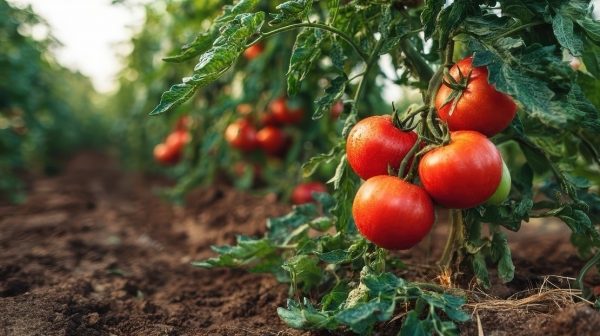 Selection & Storage Tips
Where do fruits and vegetables 'hide' pharmaceutical residues when irrigated with reused water?
Research from Johns Hopkins University confirms that fruit and root vegetables often "lock" pharmaceutical residues in their leaves when irrigated with recycled water.
Read more →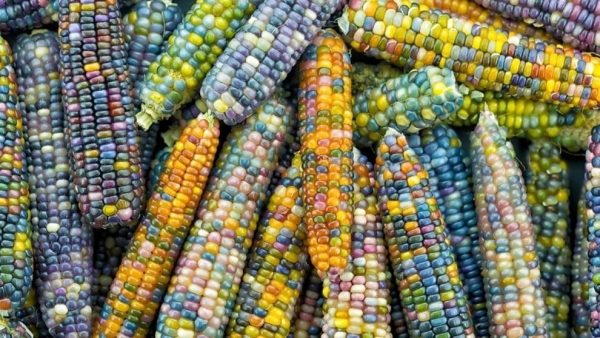 Selection & Storage Tips
Secrets to keeping sweet corn crispy and sweet
Sweet corn from the field often loses its original flavor very quickly after harvest.
Read more →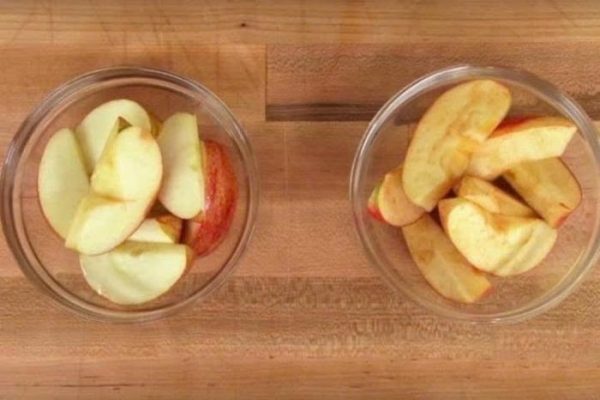 Selection & Storage Tips
Cutting fruit without browning: Simple tips everyone should know
Many fruits like apples, pears, or bananas easily turn brown after being cut due to oxidation upon exposure to air.
Read more →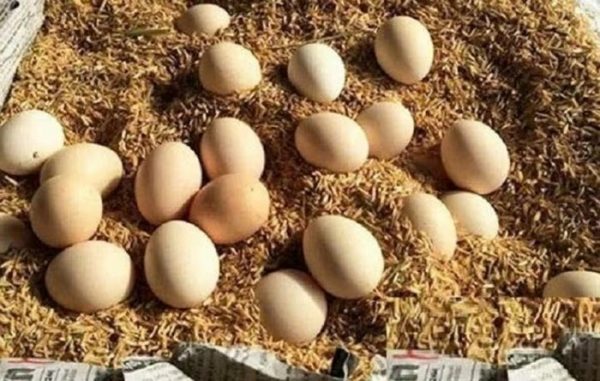 Selection & Storage Tips
Keeping chicken eggs fresh for a long time without a refrigerator
Chicken eggs are a nutritious, staple food in daily meals. However, without a refrigerator, many people still wonder how to keep eggs fresh for a long time.
Read more →