
Today, many consumers turn to clean or organic food. These are two completely different concepts that are often confused: clean food may still use chemicals as long as residues pose no harm to consumers, whereas organic products use none at all.
Clean Food
Definition and Criteria for Identifying Clean Food
According to experts, clean food is produced using conventional agricultural inputs such as pesticides and synthetic chemicals. However, these chemicals are managed according to strict protocols to ensure that final products contain toxic residues well below permitted safety limits, posing no risk to consumer health.
Food is considered clean when it reaches consumers free of physical impurities and biological pathogens, carries transparent labeling with clear origin and traceability, and has been inspected, evaluated, and certified for food safety.
To select clean food, you should choose fresh produce with origin traceability labels, and avoid items that are wilted, discolored, or unlabelled.
Organic Food
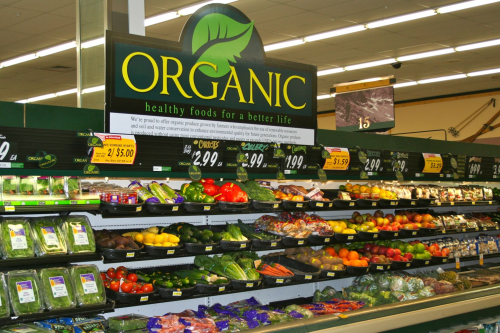
Organic food is drawing strong interest from discerning consumers. Certified organic foods must never use chemical preservatives, artificial flavorings, colorings, synthetic substances, or growth hormones, and must not contain genetically modified organisms (GMOs).
Organic vegetables and fruits are grown naturally, nourished with natural fertilizers, and produced without any chemical pesticides or synthetic fertilizers. Natural fertilizers are derived from animal manure and plant compost. Pest control relies on beneficial natural predators and other biological methods.
For meat, egg, and dairy products, livestock are raised on organic forage and feed, without genetically modified ingredients or growth-promoting injections, with disease prevention handled through natural remedies and regular outdoor access.
Organic food cannot be stored for extended periods because it contains no preservatives. However, its freshness and nutritional density can be up to 15% higher than conventional food.
- “100% Organic” label: Food containing no added synthetic substances or ingredients.
- “Organic” label: Designates food containing at least 95% organic ingredients.
- “Made with Organic Ingredients” label: Products containing at least 70% organic ingredients and no added sulfites.
Need Guidance on PGS Certification?
Contact the PGS Vietnam Coordination Committee for support.
Contact Us Now