
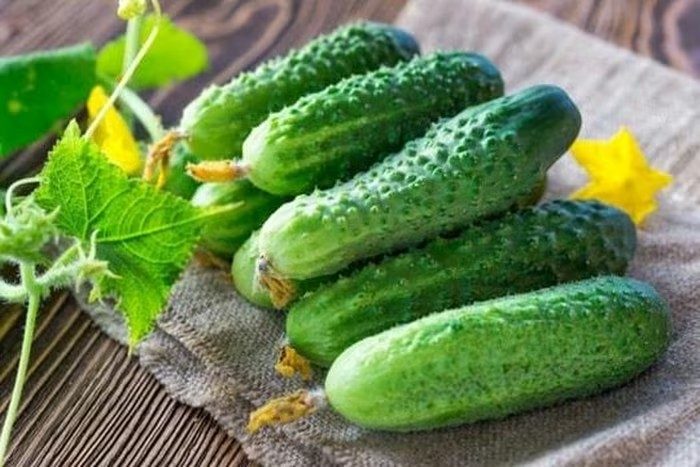
Eating bitter cucumbers and how to choose cucumbers without worrying about toxins
Bitter cucumbers contain the toxin cucurbitacin, which can easily cause poisoning, bloating, and vomiting if eaten in large amounts.Many people think there is no way to know whether a cucumber is bitter or not unless you taste it. In reality, with a little finesse and attention to the external details of the cucumber, you can eliminate bitter ones.
1. Why do cucumbers turn bitter?
The bitter taste in cucumbers comes from a group of natural compounds called cucurbitacins. This compound is typically produced when the cucumber plant experiences adverse conditions, such as water stress, extreme heat, nutrient-poor soil, or pests and diseases. Cucurbitacin is usually concentrated the most at the ends and in the peel of the fruit. This explains why sometimes the middle part tastes sweet, yet the two ends are intensely bitter.
Health risks of bitter cucumbers:
Mild poisoning: Causes flatulence, bloating, indigestion, or stomach cramps.
Severe poisoning: If toxin levels are excessively high, consumers may experience vomiting, acute diarrhea, and dehydration. In some rare cases (more commonly associated with extremely bitter gourds and squashes than cucumbers), this toxin can trigger gastroenteritis.
Side effects: Cucurbitacin has diuretic properties; eating a lot of bitter cucumber can cause mild dehydration due to excessive urination.
2. How to identify bitter cucumbers through color and texture
Color reflects the freshness of cucumbers:
Uniform dark green color: Delicious cucumbers that have been well-irrigated usually feature a deep green, uniform color from end to end.
Avoid yellow patches: If you notice yellow spots or a dull appearance on the cucumber, it is a sign that it is overgrown or spoiled. These "aged" cucumbers often contain very high concentrations of bitter substances.
Taut, glossy skin: Choose cucumbers with firm outer skin and no wrinkles. Wrinkled skin indicates that the cucumber is dehydrated and has been kept for a long time, making bitterness almost inevitable.
Check the shape and size of cucumbers:
The shape of a cucumber reveals a lot about seed development and the concentration of bitter compounds inside.
Straight and slender shape: Cucumbers that are straight and medium-sized are typically the sweetest and crispiest.
Avoid overly large or deformed fruits: Cucumbers that are excessively thick, bulging in the middle, or irregularly shaped often possess very large, hard seeds. When seeds overdevelop, cucurbitacin levels also rise, making the cucumber more bitter.
Ideal length: Choose cucumbers that are about 15 - 20 cm long. Fruits that are too long tend to be overgrown, while those that are too short may not be mature enough to reach standard sweetness.
Don't hesitate to pick cucumbers up and feel them:
Feel for firmness: Use your fingers to gently press the cucumber. A quality cucumber should be firm yet slightly resilient.
Too soft: The cucumber has begun to rot or turn mushy inside.
Too hard and tough: The cucumber is overgrown, highly fibrous, and prone to bitterness.
Use your sense of smell: A fresh cucumber will have a light, clean aroma characteristic of moisture and nature. If you detect a sour, pungent, or unusual odor, do not buy it, as this indicates fermentation or chemical contamination.
3. What should you do when a cucumber is bitter?
To still enjoy cucumbers without worrying about health concerns, you can apply the following methods:
Peel the skin and cut off the ends: Cucurbitacin is mainly concentrated in the peel and stem end. Peel a bit more deeply and trim off about 2 - 3 cm of the stem end.
Rub the cut ends: The traditional folk trick of rubbing the cut ends to draw out white sap actually helps remove some of the bitter, toxin-bearing sap.
Soak in salt water: After slicing, soaking cucumbers in diluted salt water for about 5 - 10 minutes can help neutralize bitterness.
Discard entirely: If the cucumber tastes intensely bitter throughout even after preparation, it is best to throw it away to guarantee absolute digestive safety.
Note: If you feel nauseous, suffer severe abdominal pain, or experience diarrhea after eating bitter cucumbers, stop eating immediately, monitor your condition, and drink plenty of water to replenish fluids and minerals.