
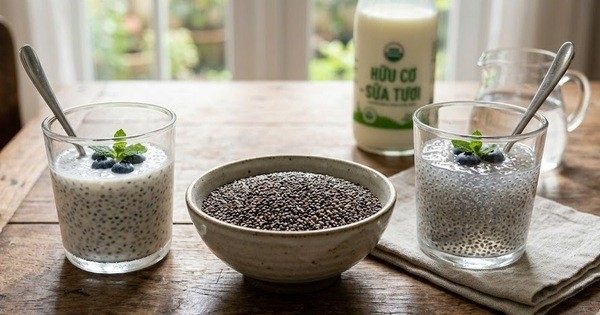
Why should you soak chia seeds before eating?
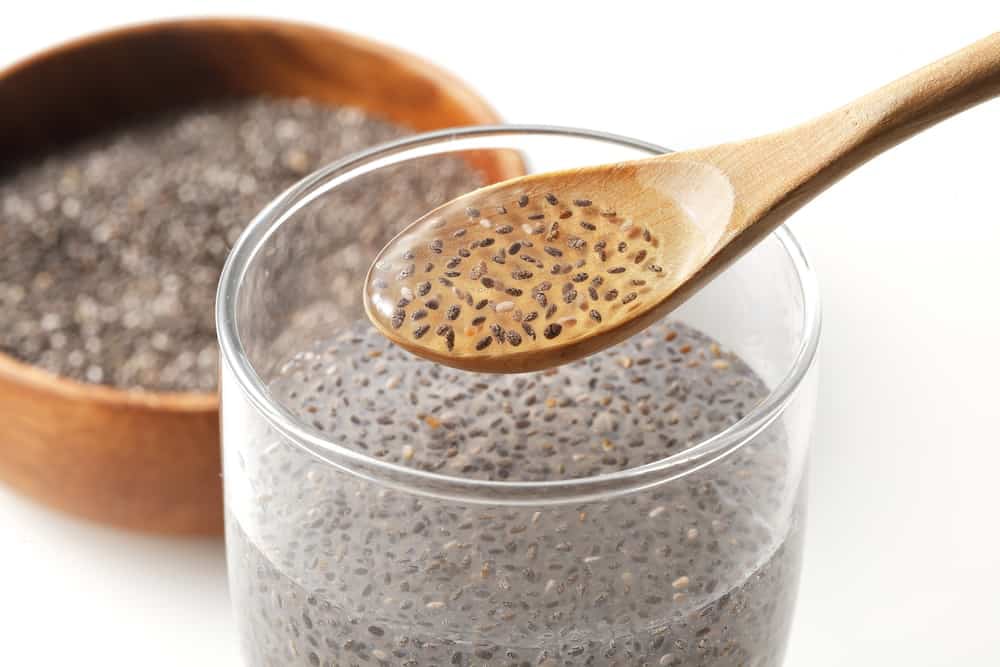
Chia seeds need to be soaked to absorb liquid and expand.
Chia seeds have the ability to absorb a liquid volume up to 12 times their weight. Water breaks down the cell walls of the chia seeds, making them easier to digest.
If swallowed dry or without enough water, they will expand in the esophagus or stomach. Although rare, chia seeds can cause esophageal blockage.
Chia seeds must be soaked in liquids such as water, milk, yogurt, fruit juice, or vegetable juice. The seeds absorb the liquid and expand. Soaking chia seeds in water helps the body absorb nutrients more easily during digestion.
In one study, researchers soaked chia seeds in water for 24 hours. The study authors found that fatty acids could be extracted more easily from soaked chia seeds. Additionally, soaking chia seeds in water for 24 hours increased the ratio of anti-inflammatory omega-3 fatty acids compared to inflammatory omega-6 fatty acids.
The effects of soaking chia seeds in water
Creating chia gel: Soaking chia seeds in water creates a type of chia gel. Chia seeds can be soaked for a period ranging from 15 minutes to 24 hours or longer.
The longer the soak, the better: In one study, soaking for 24 hours increased the amount of fatty acids in the seeds compared to soaking for 2 hours.
Ingredient in gluten-free baking: Another study used chia seeds soaked in water for 15 hours as an ingredient in gluten-free cookies. Researchers found the cookies had a lower fat content and a more palatable texture than commercially available gluten-free cookies.
Reducing blood sugar spikes: When used as a thickening agent, chia gel helps lower the glycemic index of food. This means food prepared with chia gel is absorbed more slowly and does not cause a rapid rise in blood sugar.
Fiber supports digestion: Chia gel contains a significant amount of soluble fiber. Fiber slows down digestion and adds bulk to stool, helping to manage constipation. Additionally, chia seeds act as a prebiotic that feeds beneficial bacteria in the gut and enhances the diversity of the gut microbiome.
Rich source of nutrients: Chia seeds contain fiber, fats, and protein. One tablespoon of chia seeds contains about 60 calories, 2 grams of protein, and 4 grams of fiber. Water-soaked chia seeds help you feel full while being relatively low in calories.
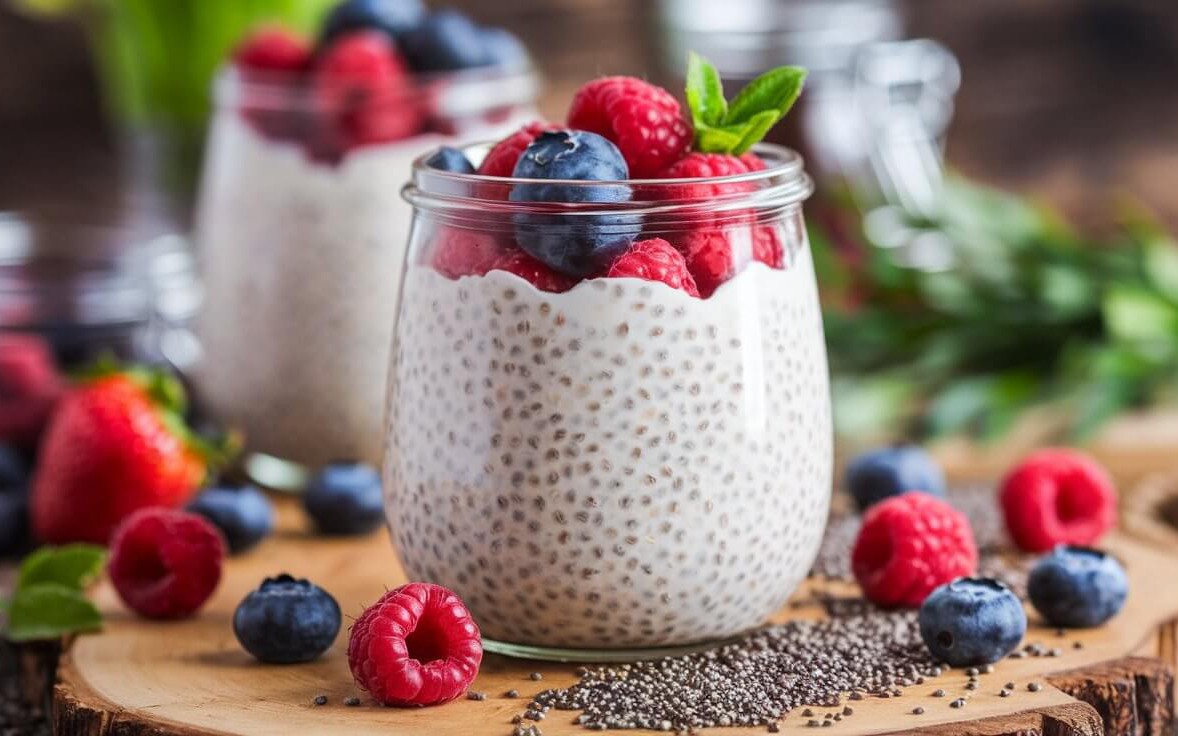
Soaking chia seeds in milk adds more nutrients
Soaking chia seeds in milk creates chia pudding and adds protein, fat, vitamins, and calories.
One cup of whole milk provides 8g of protein, 152 calories, 306 milligrams of calcium, and 96 International Units (IU) of vitamin D. Adding milk to chia seeds creates a complete meal or snack and helps the body absorb nutrients more effectively. Chia seeds contain about 142 mg of magnesium. The vitamin D in milk helps the body absorb magnesium from the chia seeds.
Milk also adds protein and fat, which, when combined with the fiber in chia seeds, helps you feel full longer. The protein, fat, and fiber in milk-based chia pudding help keep blood sugar levels lower.
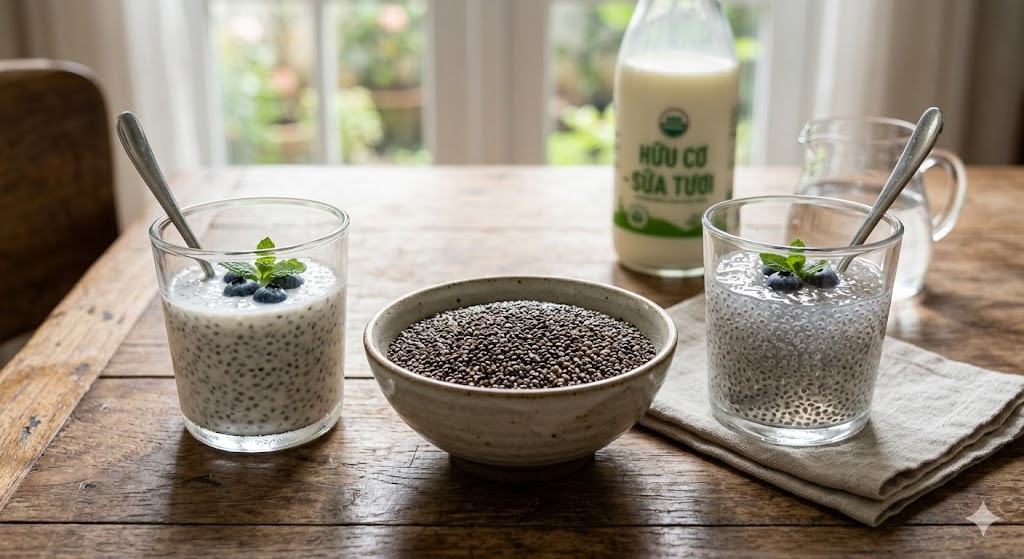
Chia seeds soaked in water are low in calories, while soaking in milk adds more nutrients.
Choose the method that suits your needs
Soaked chia seeds provide fiber, omega-3 fatty acids, and vitamins. Both methods of preparing soaked chia seeds are good sources of fiber, but chia seeds soaked in milk contain more nutrients.
For those looking to prepare a low-calorie, hydrating, high-fiber snack with a bit of protein, the option of soaking chia seeds in water (chia gel) is a great choice.
For those who want a nutrient-dense meal rich in protein, vitamin D, and calcium, soaking chia seeds in whole fresh milk (chia pudding) is the best option.
Plant-based milks also contain vitamins and minerals, but you should read the nutrition labels to see how milk alternatives affect the protein, calorie, and vitamin content of the chia pudding.