
Where do fruits and vegetables 'hide' pharmaceutical residues when irrigated with recycled water?
A solution for freshwater "thirst"
Modern agriculture consumes a massive amount of freshwater, putting heavy pressure on natural resources that are gradually depleting. In the face of prolonged droughts and erratic rainfall threatening food security, utilizing treated urban wastewater for irrigation has become an essential backup plan. However, the presence of active pharmaceutical ingredients—commonly found in city drainage systems—raises public health concerns as these substances could enter the food chain. A research team at Johns Hopkins University set out to decode the pathways of psychiatric drugs within plants to find answers regarding the safety of this farming method.
The investigation focused on four pharmaceuticals commonly found in recycled water: carbamazepine, lamotrigine, amitriptyline, and fluoxetine—active ingredients used to treat depression, bipolar disorder, and epilepsy. By growing lettuce, tomatoes, and carrots in a semi-hydroponic controlled environment, scientists observed how plants uptake and metabolize foreign organic compounds. The results showed that plants do not merely absorb these substances passively but possess highly complex chemical transformation and distribution mechanisms within cellular tissues.
Priority accumulation mechanism in leaf tissues
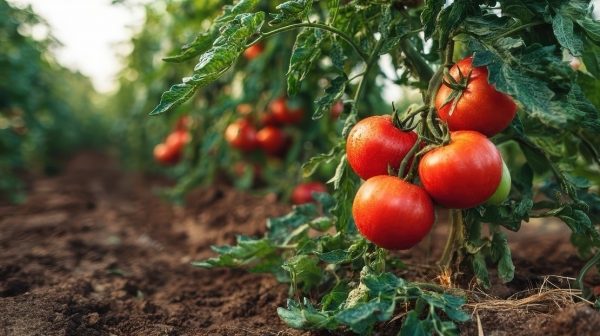
The crux of the study lay in identifying the final "resting place" of pharmaceutical active ingredients. To do this, scientists used ultra-micro analytical technology capable of scanning and accurately identifying each chemical molecule. Thanks to this sensitive "screening" system, the expert group found that the highest concentration of pharmaceuticals is always located in the leaf tissue. Conversely, in the parts humans typically consume as food, these levels are much lower. Specifically, the concentration of active ingredients in tomato fruit was up to 220 times lower than in its own leaves, while in carrot roots, this figure was also about 7 times lower.
A plant's vascular system acts like a "highway" transporting nutrients and water throughout the body. Pharmaceutical compounds follow this flow to move from the roots to the upper parts. As water exits through stomata on the leaf surface, drug molecules are trapped and accumulate over time. The good news for consumers is that fruiting vegetables and root crops like tomatoes or carrots are much safer options than lettuce when irrigated with recycled water. Thanks to the natural mechanism that pushes foreign substances to the leaves, their fruits and roots maintain high purity, ensuring health for family meals.
Cellular "trash bags" and complex chemical transformations
Unlike humans or animals with developed excretory systems to eliminate toxins, plants lack a mechanism to expel waste via a urinary tract. To handle foreign compounds, they choose to isolate these molecules within cell walls or vacuoles—which act as the cell's "trash bags." Here, the active ingredients are held permanently with no way out, creating a distinct residue distribution map between old and new tissues.
Beyond accumulation, plants also act as a "chemical factory" by metabolizing parent compounds into a series of byproducts. The study identified 87 different metabolites, including 15 compounds discovered inside plant bodies for the first time. Notably, these include N-acylated products from lamotrigine, amitriptyline, and fluoxetine. These metabolic pathways occurred similarly across all three species surveyed, suggesting that metabolite formation depends more on the accumulation concentration of the parent compound than on the specific characteristics of each plant species.
Premise for new agricultural safety standards
Although pharmaceuticals are common in recycled water, this does not mean they will cause immediate negative impacts on crops or consumer health. The research team's goal is to build a detailed map of chemical compound movement, helping regulatory agencies identify which active ingredients require priority risk assessment. For example, carbamazepine showed high accumulation potential throughout plant tissues, including roots and fruits, requiring closer monitoring than other drugs.
This research work lays the foundation for building smarter farming regulations and guidelines in the future. Understanding how and where plants "hide" pharmaceutical byproducts allows the agricultural industry to select crop varieties suitable for available irrigation sources. Such scientific efforts ensure that recycling water resources not only solves the freshwater scarcity problem but also maintains the highest safety standards for the global food supply chain. Further studies will need to expand the scale to include many other types of active ingredients to complete a sustainable and transparent agricultural ecosystem.