
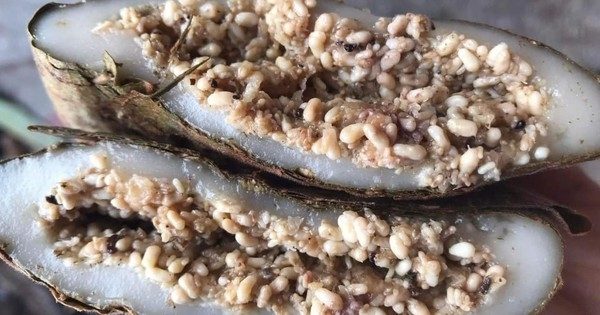
The "culprit" behind allergies in the unique ant egg cake?
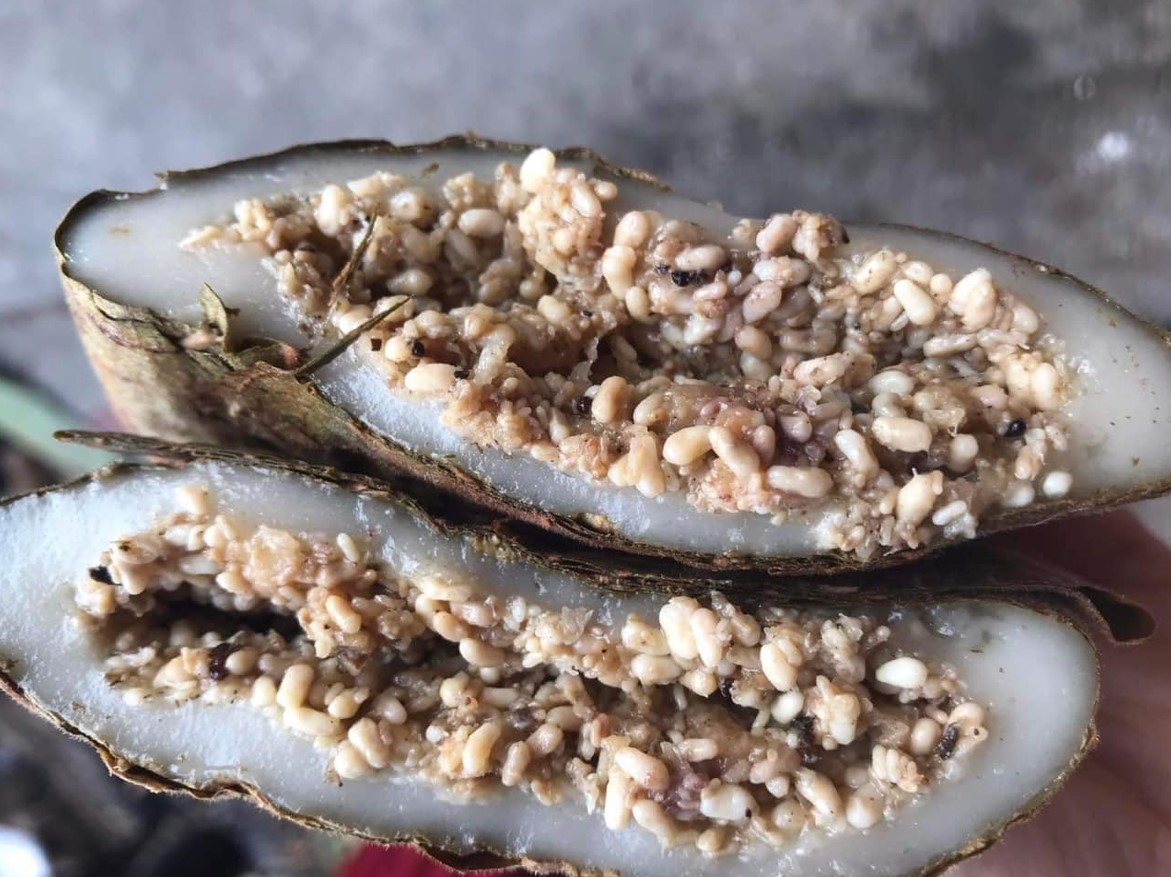
Ant egg cake is delicious and unique.
1. Ant egg cake - a unique dish of the highlanders
Ant egg cake is primarily made from ant eggs. The season for making this cake is mainly during late spring and early summer, as this is the peak growth period for forest black ants.
The cake dough is made from fragrant, glutinous upland rice. The filling consists of ant eggs, usually sautéed with dried shallots, minced pork, and wrapped in young fig tree leaves. When eaten, it offers a rich, nutty flavor and the characteristic herbal aroma of fig leaves. The tiny ant eggs provide a unique sensation, popping slightly in the mouth when chewed thoroughly.
While delicious and exotic, ant egg cake also carries a potential risk of allergies. In fact, there have been cases of allergic reactions when trying this specialty.
2. Be cautious of allergy risks when eating unusual foods
Exploring local cuisine is one of the best experiences of any trip. However, behind "unique - exotic - rare" dishes, there are sometimes unforeseen health risks, particularly food allergies.
The main culprits causing allergies are foreign proteins. When the body consumes types of protein that the immune system has never encountered before (such as in insects, pupae, wild animals...), the body's defense system may "mistake" them for enemies and trigger an overactive self-defense response, leading to an allergy.
According to the U.S. Food and Drug Administration (FDA), food allergies occur when the body's immune system reacts to certain proteins in food.
Food allergy reactions vary in severity, from mild symptoms like hives and swollen lips to life-threatening symptoms, commonly known as anaphylaxis, which can cause respiratory problems and shock leading to death.
More than 160 foods have been identified as causes of allergies in sensitive individuals. Additionally, some food ingredients cause non-allergic hypersensitivity reactions in sensitive people. Major food allergens include: milk, eggs, fish, crustaceans, tree nuts, peanuts, wheat, soy, and sesame.
The Journal of the Medical Association of Thailand has also reported a case of an anaphylactic reaction to weaver ant eggs, a tropical ant species common in Asia and Australia that can lay eggs. This type of ant egg is an expensive delicacy for Thai people, especially in Northern and Northeastern Thailand.
This case report detailed an anaphylactic reaction to weaver ant eggs within 2 hours of consumption, causing reactions including generalized hives, angioedema, wheezing, and gastrointestinal symptoms. To date, there is no information on the exact allergens in weaver ant eggs, and further research may be needed.
3. What to do when signs of a food allergy appear?
Food allergies can happen to anyone, but studies show that they are more common in people with atopic dermatitis. Atopic dermatitis is considered a major risk factor for the development of food allergies in young children.
Food allergies also have a strong link to asthma. In fact, people with food allergies are at a higher risk of developing asthma than those without. Having asthma also increases the risk of severe allergies, including a life-threatening systemic reaction like anaphylaxis.
According to the FDA, food allergy symptoms typically appear within minutes to hours after a person eats the allergenic food. A life-threatening severe allergic reaction is anaphylaxis. If any suspicious symptoms occur, you should stop eating that food immediately and seek prompt medical intervention.