
Vietnam exports nearly 9 billion USD worth of coffee each year, yet most of the added value remains beyond its borders. At the 4th "Honoring Vietnamese Coffee and Tea" Festival in 2026, the focus shifted from sheer volume to how the coffee industry transforms through deep processing to retain value.
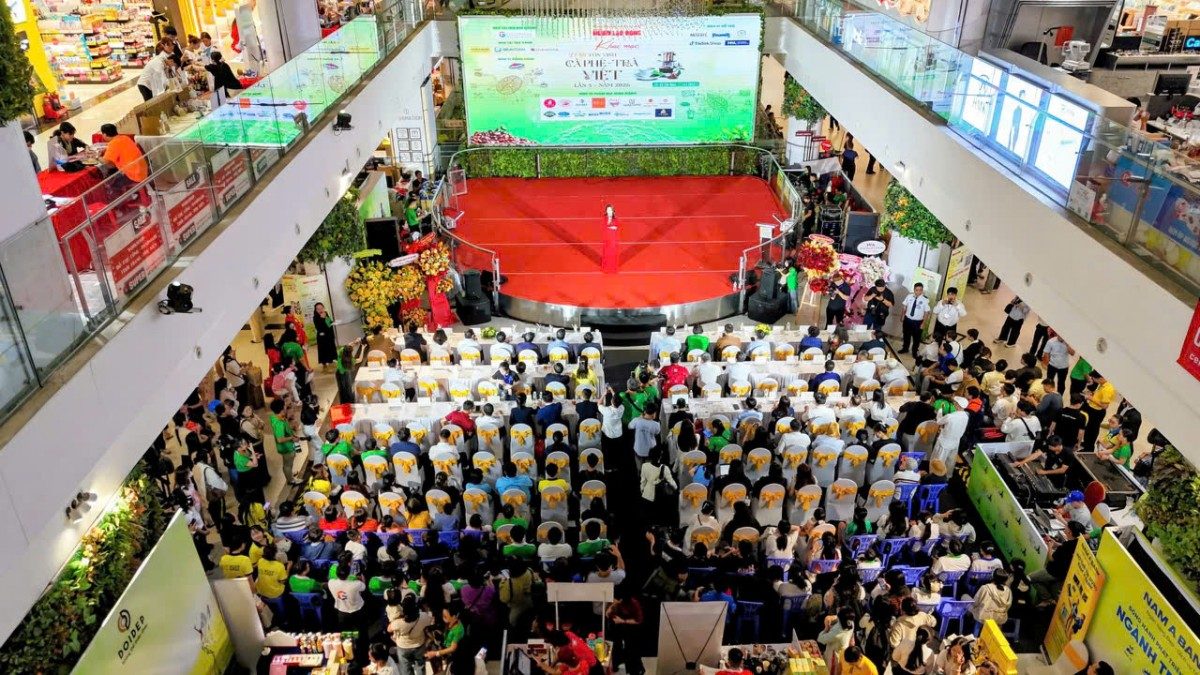
On April 4, at Gigamall Shopping Center (HCMC), Nguoi Lao Dong Newspaper held the opening ceremony of the 4th "Honoring Vietnamese Coffee and Tea" Festival - 2026, and also conducted the seminar "Solutions to promote deep processing to enhance the value of Vietnamese coffee".
The event gathers numerous representatives from ministries, sectors, localities, associations, businesses, technology platforms, and experts, creating a comprehensive networking forum for the Vietnamese coffee and tea industry.
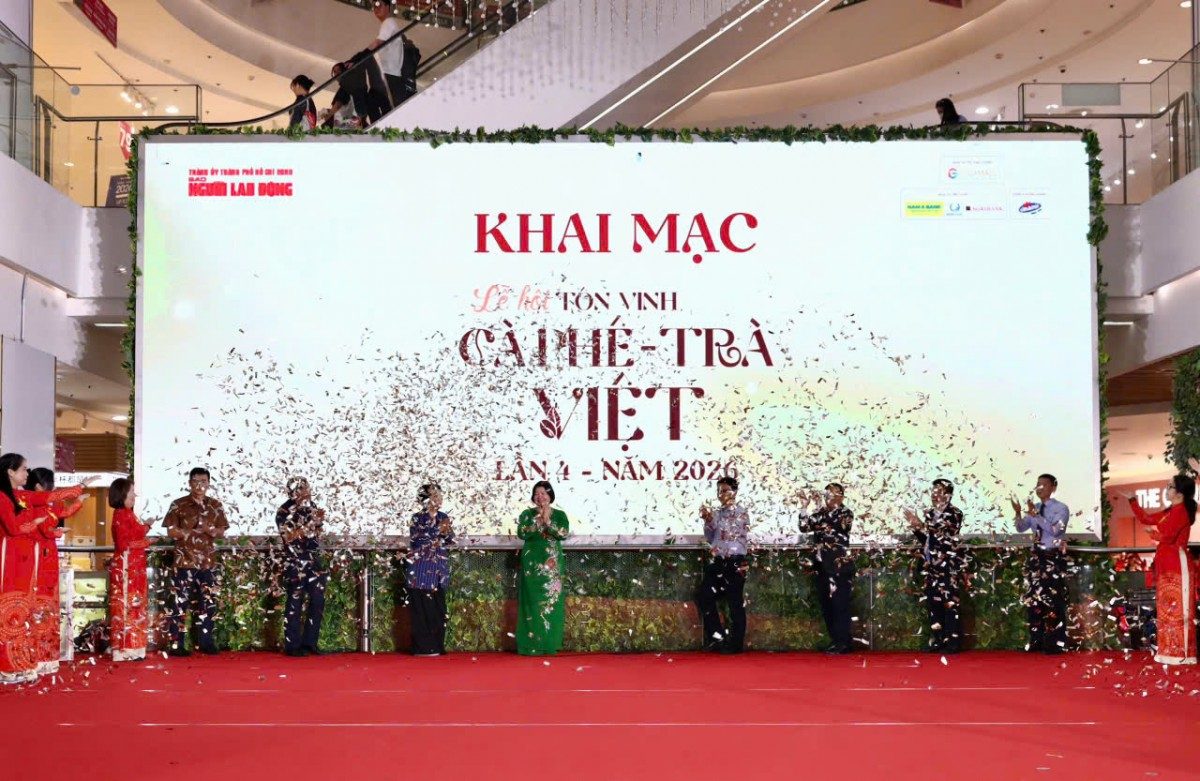
At the opening ceremony of the 4th "Honoring Vietnamese Coffee and Tea" Festival in 2026, representing central ministries, departments, and agencies were: Ms. Cao Xuan Thu Van, President of the Vietnam Cooperative Alliance; Ms. Bui Hoang Yen, in charge of the Ho Chi Minh City Representative Office of the Vietnam Trade Promotion Agency - Ministry of Industry and Trade; Mr. Hoang Anh Tuan, Deputy Head of the Division of Crop Production and Plant Protection, Department of Crop Production and Plant Protection - Ministry of Agriculture and Environment; Mr. Pham Quy Trong, Deputy Director of Department III - Central Commission for Propaganda and Mass Mobilization; Mr. Nguyen Huu Dat, Head of the Representative Office of the Ministry of Culture, Sports and Tourism in Ho Chi Minh City; Mr. Cao Xuan Huan, expert of the Division of Crop Production and Plant Protection - Department of Crop Production and Plant Protection.
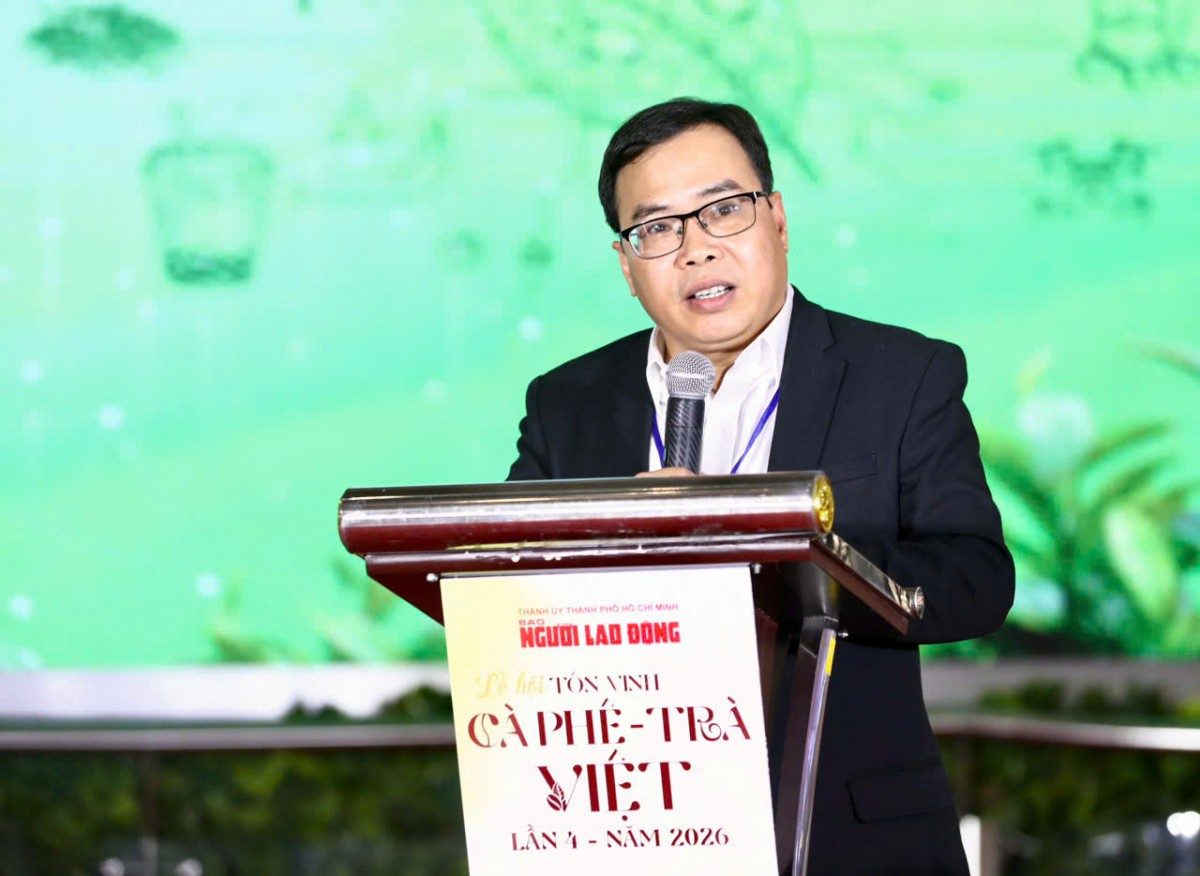
Representing the leadership of HCMC were Mr. Nguyen Manh Cuong – Alternate Member of the Party Central Committee, Member of the Standing Committee of the City Party Committee, and Vice Chairman of the HCMC People's Committee; Mr. Tang Huu Phong, Deputy Head of the City Party Committee's Commission for Propaganda, Education and Mass Mobilization; Mr. Nguyen Ngoc Hoi, Deputy Director of the Department of Culture and Sports; and Mr. Nguyen Tan Phong – Member of the Standing Committee of the Vietnam Journalists Association and President of the HCMC Journalists Association.
Local leaders included Mr. Nguyen Thien Van, Vice Chairman of the Dak Lak Provincial People's Committee, and Ms. Ha Thi Thanh Huong, Deputy Director of the Gia Lai Department of Agriculture and Environment.
On behalf of associations and enterprises, there were Ms. Nguyen Thi Minh Chau – General Secretary of the Vietnam Coffee – Cocoa Association; Mr. Nguyen Thanh Tai – Executive Committee Member of the Association; Mr. Le Viet Anh – General Secretary of the Vietnam Pepper and Spice Association; along with representatives from numerous coffee production, processing, and export businesses.
The program was also attended by representatives of digital technology platforms and experts, including Dr. Do Viet Ha – Vice President of the Vietnam Organic Agriculture Association.
Representing the organizing unit, Nguoi Lao Dong Newspaper, there were Journalist - Dr. To Dinh Tuan, Editor-in-Chief and Head of the Steering Committee for the 'Honoring Vietnamese Coffee and Tea' Festival; and Journalist Duong Quang, Deputy Editor-in-Chief and Head of the Organizing Committee for the Honoring Vietnamese Coffee and Tea Festival. Leaders, reporters, and editors from central and local media outlets were also present to attend and cover the event.
Exports surge, but added value remains low
Export volume and coffee value structure
In his opening speech at the festival, Mr. Duong Quang, Deputy Editor-in-Chief of Nguoi Lao Dong Newspaper and Head of the Organizing Committee, stated that coffee is one of Vietnam's key industrial crops, contributing about 2.5% of GDP and providing livelihoods for more than 2 million workers. Currently, Vietnamese coffee products are present in more than 100 countries and territories. With over 710,000 hectares of coffee, Vietnam ranks 6th in the world in terms of area and is the second-largest exporter of robusta coffee, only after Brazil.
In the 2024–2025 crop year, coffee exports reached over 1.5 million tonnes, earning more than 8.4 billion USD; estimates for 2025 reach approximately 1.59 million tonnes, nearing 9 billion USD—the highest level ever recorded.
In the tea sector, according to the Vietnam Tea Association, the country maintained approximately 128,000 ha of tea plantations as of the end of 2025. Exports reached nearly 137,000 tonnes, worth more than USD 238 million, at an average price of USD 1,737/tonne. Around 390 businesses are currently involved in exports, bringing Vietnamese tea to 72 international markets; of these, 15 markets import more than 1,000 tonnes each year. The domestic market consumes approximately 75,000 tonnes, with revenue estimated at VND 15,000 billion.
However, according to the Organizing Committee, most Vietnamese coffee is still exported as raw beans—the lowest-value stage in the supply chain. Meanwhile, deep processing, branding, and market development, which generate high added value, still have substantial room for growth.
Data presented at the workshop showed a significant difference in value: green coffee beans reached only about 5,610 USD/ton, whereas processed coffee reached nearly 9,760 USD/ton and soluble coffee could climb to 11,180 USD/ton.

Deep processing is an inevitable path
Given this reality, many opinions at the workshop focused on analyzing the causes and proposing directions for the coffee industry. Mr. Nguyen Thanh Tai, Executive Committee Member of the Vietnam Coffee – Cocoa Association (VICOFA), stated that Vietnam's coffee industry has reached its peak in production volume, but to develop sustainably, it must transition toward value addition.
According to him, the greatest value in the global coffee chain lies in deep processing and final consumption, whereas Vietnam still mainly focuses on exporting raw materials.
Citing figures from 2025, he stated that Vietnam's processed coffee production reached about 143,425 tons, generating over USD 1.4 billion; instant coffee alone accounted for 76,583 tons, equivalent to USD 856.2 million. Although still representing a small proportion, this indicates significant room for growth.
He analyzed that deep processing not only helps increase product value but also creates a multi-tiered revenue structure, reduces dependence on raw material price fluctuations, and promotes the upgrading of raw material growing areas and technology.
However, he also pointed out numerous barriers, such as inconsistent raw materials, high investment costs, a lack of standards for new products, and pressures from import markets.

The “bottleneck” lies in raw material quality and the value chain
Offering an expert perspective, Dr. Do Viet Ha – Vice President of the Vietnam Organic Agriculture Association – believes that the coffee industry’s biggest bottleneck lies at the beginning of the supply chain.
According to him, although export turnover reached nearly 9 billion USD in 2025, the quality of raw materials remains uneven due to limitations in harvesting, preliminary processing, and post-harvest preservation. The grading of fresh coffee cherries, drying processes, and quality control have not received adequate attention, making it difficult for products to enter high-value segments.
Meanwhile, to achieve a price of 7,000 – 11,000 USD/ton for deeply processed coffee, raw materials must be standardized and full traceability must be guaranteed.
He also emphasized that international markets are increasingly setting stringent requirements, especially regarding traceability and sustainable development, compelling the coffee industry to rapidly complete its data systems and improve supply chain management capabilities.
“Vietnamese coffee has entered the global supply chain, and many processing businesses have achieved export revenues of hundreds of millions of USD. We do not lack processing technology. However, the fundamental weakness still lies in the raw material supply base and how production is organized along a sustainable value chain. Unless we address these issues at their root, it will be very difficult to move further into the high-value segment,” Mr. Ha observed.
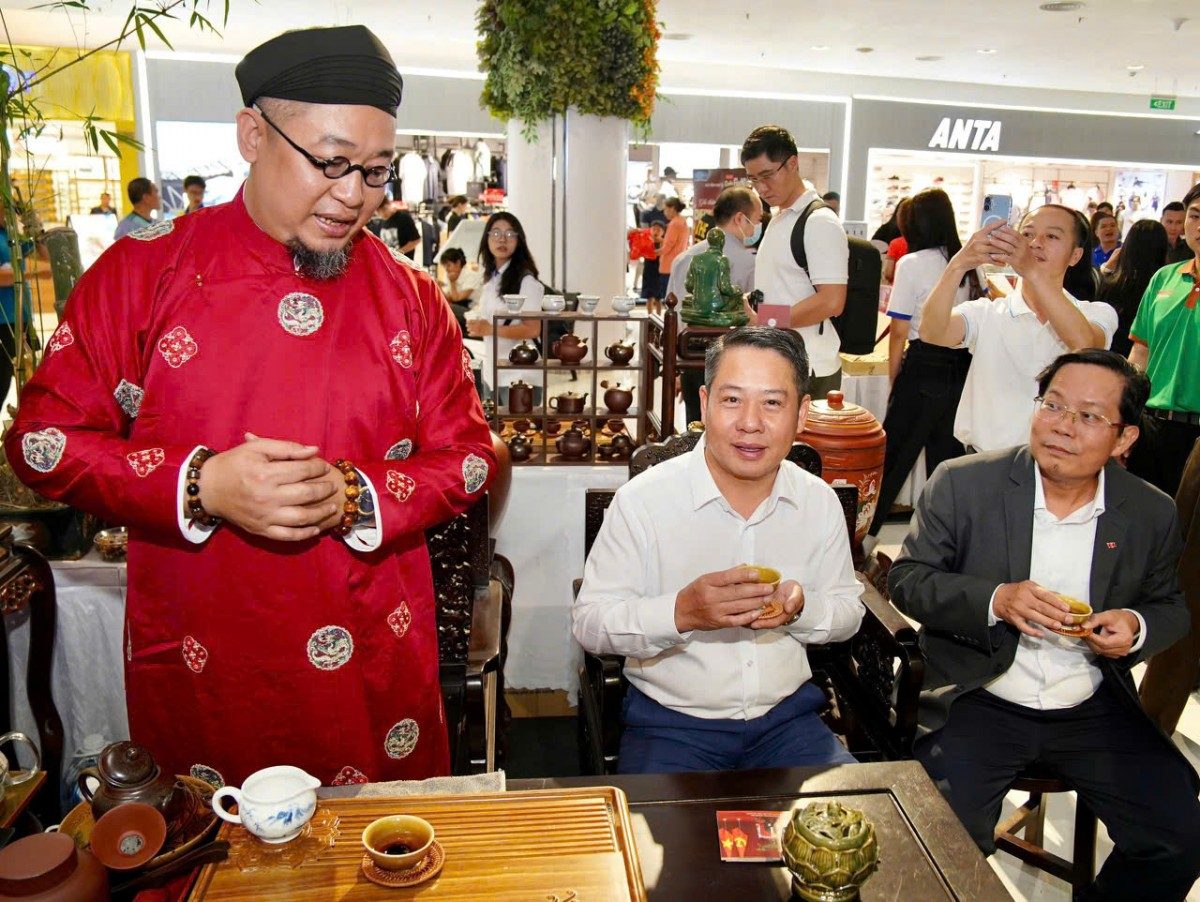
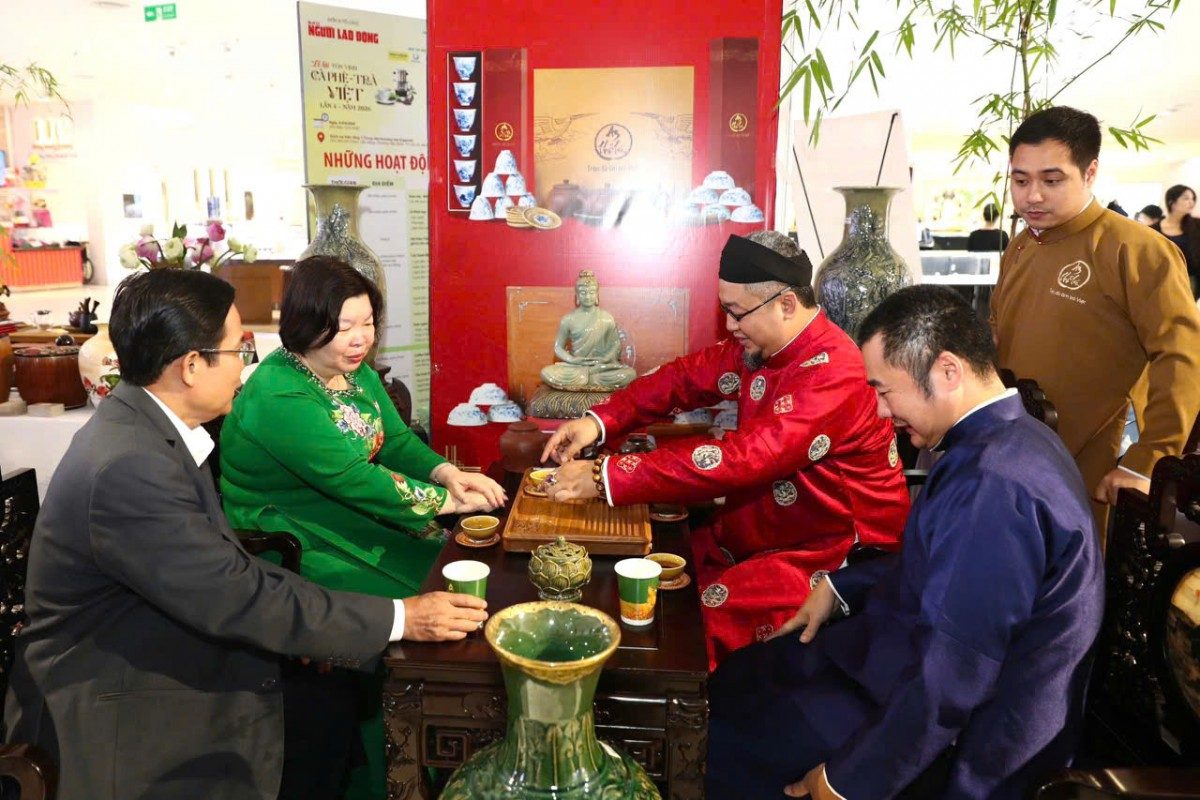

In addition, he stated that the Vietnam Organic Agriculture Association, together with Ho Chi Minh City University of Technology, is ready to accompany and support the Vietnamese coffee industry in developing organic products and deep processing that meet European standards. However, to create a breakthrough, a comprehensive strategy from the Government and the agricultural sector is crucial, not only in organizing production but also in building and developing the Vietnamese coffee brand on the international market.
Launch of the Vietnam Deep Processed Coffee Alliance
Within the framework of the program, Nguoi Lao Dong Newspaper introduced an initiative to establish the Vietnam Deeply Processed Coffee Alliance.
The alliance is positioned as an action-oriented cooperation platform, rather than an administrative entity, aimed at connecting businesses, banks, regulatory authorities, experts, and the media to promote advanced processing, brand building, and market development.
During the 2026–2027 period, the Alliance will carry out three key tasks: establishing the "Vietnamese Coffee Economy" dedicated portal; developing the "Vietnam Deep-Processed Coffee Ecosystem Map"; and organizing forums connecting businesses, finance, and markets.
In 2027, the Vietnam Deep-Processed Coffee Alliance is expected to announce a list of 10 exemplary coffee processing enterprises based on substantive criteria regarding value addition.
The 4th "Honoring Vietnamese Coffee and Tea" Festival in 2026 not only serves as a promotional platform, but also opens up a strategic direction for Vietnam's coffee industry in the new era. Opinions at the workshop unanimously agreed that growth can no longer rely on raw exports, but must shift decisively toward deep processing, brand building, and increasing added value.
As the value gap between raw coffee and processed products becomes increasingly evident, the challenge is no longer about yield or export turnover, but the ability to retain value at each stage of the supply chain. To address this challenge, deep processing is not merely an option, but an inevitable path if Vietnamese coffee is to elevate its standing and achieve sustainable development in the global market./.
Source: VOAA
← Activity News