
Lá ngón (Gelsemium elegans) is an extremely poisonous plant that can cause rapid death. People are warned to stay vigilant, avoid consuming it, and take prompt action if signs of poisoning appear.
Identifying and preventing Gelsemium elegans (la ngon) poisoning
Toxicity and poisoning risks of la ngon leaves

Lá ngón has long been known as one of the most toxic plants, carrying a risk of rapid death if ingested accidentally or intentionally. However, reality shows that poisoning from lá ngón still occurs in several localities, leaving heartbreaking consequences for families and communities.
Health experts warn that even a very small amount of toxins from heartbreak grass (la ngon) can cause respiratory failure, cardiovascular disturbances, and lead to death in a short time. Notably, many poisoning cases stem not purely from a lack of awareness, but from emotional outbursts driven by family conflicts, life pressures, or limited emotional regulation skills.
More worryingly, a segment of the public, particularly teenagers, is still not fully aware of the dangers of this plant. A lack of knowledge and coping skills when dealing with negative psychological states can lead to misguided decisions with grave consequences.
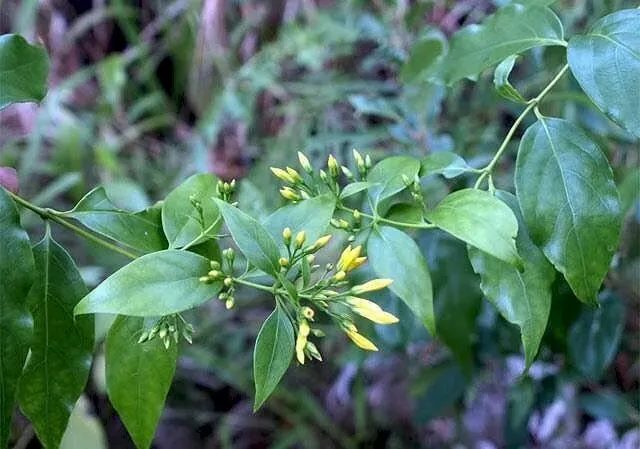
To prevent tragic incidents, people must never try or use la ngon leaves in any form. They should also be wary of misinformation circulating on social media about the benefits or uses of this plant.
In the event of detecting someone with suspected signs of poisoning such as vomiting, convulsions, shortness of breath, cyanosis, etc., promptly take the victim to the nearest medical facility for timely emergency care. Prompt action is decisive in saving the patient's life.
In addition, families play a crucial role in prevention. There is a need to increase care, open communication, and monitoring of family members' psychological well-being, especially adolescents, to provide timely support whenever signs of distress appear.
On the part of local authorities and mass organizations, it is necessary to continue stepping up communication, life skills education, and community awareness. At the same time, they need to inspect and manage areas with heartbreak grass (Gelsemium elegans) to minimize the risk of accidental exposure.
Every citizen needs to actively raise their awareness of prevention and not be complacent about potential risks. Joining hands to take action will contribute to protecting the health of ourselves, our families, and the community.
Source: VOAA
← Activity News