
Organic vegetables and GAP-certified safe vegetables differ throughout the entire production chain: soil, water, nutrition, plant protection, yield, quality, and monitoring mechanisms.
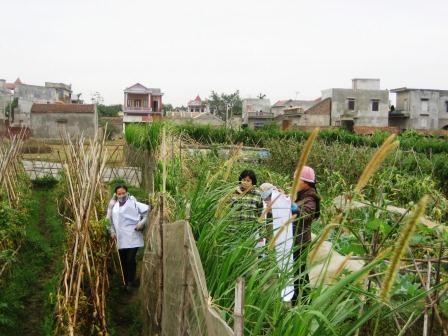
Detailed comparison table
Requirements for soil and farming conditions
| Criteria | Organic vegetables | Safe vegetables |
|---|---|---|
| Soil | Zoned into regions, with buffer zones to protect against external contamination risks; soil is tested to ensure it is free from heavy metals and toxic chemicals. Soil fertility is continuously improved and maintained. | Zoned into regions, samples may be taken by authorities for testing. Hard to control, high risk of contamination. |
| Water | Sourced from drilled or dug wells, tested to meet organic production standards, regularly monitored, and free from chemicals and heavy metals. | Sourced from rivers, lakes, ponds, streams, or drilled wells; potential contamination risks are difficult to control. |
| Nutrition | Do not use chemical fertilizers, growth stimulants, or genetically modified products. Use only organic inputs: hot compost, green manure crops, soybeans, golden apple snails, banana stems, mollusk shells, fish bones, etc. Nutrients are provided naturally through microbial activity. | Animal manure, microbial fertilizer, foliar fertilizer, growth stimulants, and chemical fertilizers may be used. Chemical fertilizers do not nourish the soil, are easily abused, and products are prone to chemical residues. |
| Plant protection | Do not use chemical pesticides; increase biodiversity through intercropping, crop rotation, trap crops, and repellent crops; handpick pests, use chemical-free bait traps, herbal preparations (ginger, garlic, alcohol), or biological preparations permitted by PGS. | Chemical pesticides on the permitted list may be used with a pre-harvest interval; mainly monoculture, leading to many pests and diseases, and a high risk of pesticide residues. |
| Yield | 25%–40% lower than conventional production | High yield |
| Quality | Crops grow naturally over a longer period, accumulating more nutrients, resulting in high mineral and vitamin content. | Forced into rapid growth, accumulating little nutrition, low in minerals and vitamins, and retaining excessive water. |
| Monitoring | Distributors, consumers, inter-groups, and the PGS Coordination Board conduct regular joint monitoring; traceability is ensured down to each individual, with strict sanctions. | Mainly relies on producers' self-discipline; hard to trust, difficult to trace origin. |
Need advice on PGS certification?
Contact the PGS Vietnam Coordination Committee for support.
Contact now