
Sensory comparison between organic kohlrabi samples (Soc Son, Luong Son) and safe kohlrabi samples — from color and skin toughness to boiling broth and flavor when eaten.
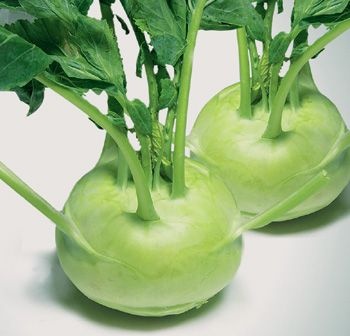
Sensory comparison table
Color and physical characteristics of kohlrabi
| Comparison criteria | Organic kohlrabi sample (Soc Son, Luong Son) | Safe kohlrabi sample |
|---|---|---|
| Color (roots/tubers, leaves) | Bright green | Dark green, glossy, with a greasy green sheen |
| When pressing your fingernail into the peel | Tough and difficult to pierce | Soft and easy to press into |
| When snapping or crushing the leaves | Hard, brittle, and tough to the touch; tough to break | Soft to the touch, easy to squeeze and break |
| When peeling | Tough peel, easy to peel | The peel breaks midway while peeling, hard to peel |
| Stem | Low fiber | High fiber |
| When cut in half | Easy to cut | Hard to cut |
| Tuber cross-section | Cross-section is uniformly opaque | The cross-section has uneven translucent and opaque patches |
| Press a fingernail into the cut surface | Crisp, with a snapping sound when pressed | Soft and sticky when pressed |
| After boiling | The broth is clear with no foam/scum | The broth has a greenish tint with foam/scum |
| Boiled pieces | Retains its original color and shape, with a crispy texture and natural sweetness | Lighter green, shriveled pieces, soft texture, bland taste |
| When stir-frying | Releases little water and does not burn easily | Releases a lot of water, burns easily |
Source: Tam Dat Investment Joint Stock Company
Need advice on PGS certification?
Contact the PGS Vietnam Coordination Committee for support.
Contact now