
Uses of prickly pear cactus
This plant species grows wild in many parts of our country.
Habitat and fruit characteristics
Hearing the name prickly pear fruit, many people may find it familiar, yet may not have tried it. Prickly pear cactus is also called bunny ears cactus because its pads resemble rabbit ears.
A common fruit in areas around Ninh Thuan and Binh Thuan, Vietnam, growing wild on hillsides, sand dunes, hedgerows, and along roadsides…
Although a wild fruit, prickly pear cactus has cool, soft flesh that is slightly sour like kiwi but milder, and mildly sweet somewhat like dragon fruit when eaten. In particular, the outer skin has spines, so it must be eaten with great care to avoid harm.
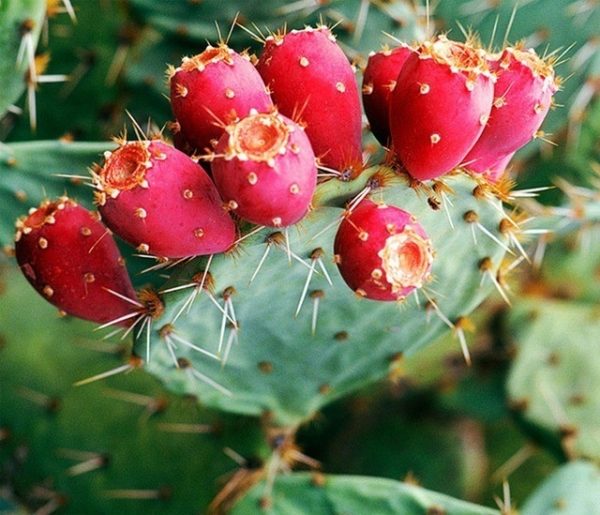
A distinctive feature of this wild fruit is that as it ripens, the prickly pear turns from green to deep purple. Once the outer thorns are removed, the inner flesh can be eaten directly or juiced, made into jam, jelly, or ice cream. Beyond food, prickly pear can also be processed into pharmaceuticals and cosmetics.
A cactus fruit that grows wild or is considered humble in Vietnam turns out to fetch exorbitant prices abroad. Illustrative image.
Promoted values and consumer markets
Prickly pear fruit is promoted for its ability to treat diabetes, high cholesterol, and obesity, as well as relieve hangovers. It is also claimed to have antiviral and anti-inflammatory properties. Because of these reasons, prickly pear has become famous and highly popular in many countries.
In Vietnam, people rarely eat prickly pear cactus fruit. Abroad, however, it is a prized fruit, cultivated for harvest and displayed as a premium item in supermarkets.
In the Southwestern United States and Northern Mexico, this fruit is considered a precious commodity. According to Amazon, the average price for a box of 6 fruits is 13 USD (nearly 350,000 VND).
According to the American Journal of Clinical Nutrition, prickly pear cactus fruit helps eliminate toxins and provides antioxidant benefits due to its high content of vitamins C and E. The fruit can also help relieve constipation, bloating, and stomach ulcers.
Notes on eating and removing spines
Prickly pear cactus fruit is generally safe for everyone when properly prepared. However, consuming too much may lead to digestive issues such as diarrhea, bloating, nausea, and vomiting. Constipation may also occur in some cases. Pregnant and breastfeeding women should consult a clinical nutritionist before consuming this fruit.
Note that prickly pear cactus fruit has many small spines on its surface. Therefore, it must be cleaned before eating to avoid injuring the digestive tract lining.
How to prepare the fruit and other parts
You can eat this sweet, juicy fruit fresh or use it to make jam, juice, cocktails, or add it to other dishes such as salads.
Besides the fruit, prickly pear cactus pads are also edible. In many places, they are prepared by boiling or grilling into delicious and unique dishes. Prickly pear flowers are used to make herbal tea. Not only that, prickly pear seeds are processed into skin care oil. It takes 1 ton of prickly pear seeds to produce 1 liter of prickly pear oil. And 1 liter of this oil has a surprisingly high price, up to 2,000 euros (about 61 million VND) when exported to Europe, according to AFP.