
Discover morel mushrooms in nature and cuisine
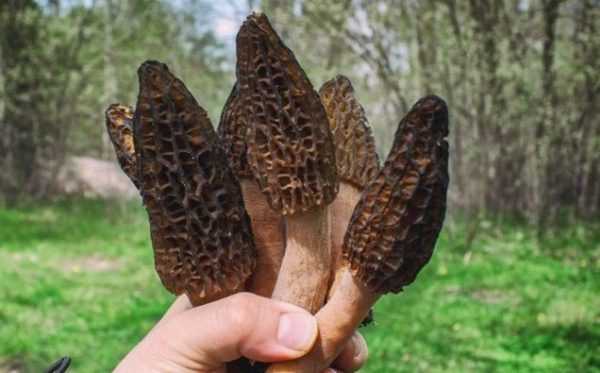
This mushroom is not only rare and difficult to harvest, but it also possesses an extraordinary flavor. Illustrative image.
Shape and flavor of morel mushrooms
There is an unusual-looking plant that at first glance appears very ugly, yet is considered one of the most precious "gems" of world cuisine. Morel mushrooms, also known as Morchella (goat belly mushroom), are one of the rarest wild-growing mushrooms and a prized delicacy in the cuisines of many countries around the world.
Morel mushrooms have a distinctive shape, with ridged and pitted caps that create a honeycomb-like structure. They are dark in color, ranging from brown to blackish-brown, and often have a characteristic aroma.
What sets this mushroom apart is not only its striking appearance; its hollow interior structure also allows morel mushrooms to absorb seasonings well during cooking, delivering a rich and delicate culinary experience.
Growing conditions and harvesting
Among the countless gifts of the mountains and forests, morel mushrooms often grow naturally along forest edges, riverbanks, or on decaying logs and rich, moist humus soil. What makes them special is that they do not grow in a fixed spot, but change locations through each season, turning the search for them into a real challenge.
One of the reasons this mushroom is so expensive is that foragers must wake up at dawn and trek through the forest all day just to bring back a few precious specimens. Due to this scarcity, the market price of dried morel mushrooms ranges from 11–13 million VND/kg, making it one of the most expensive wild edibles.
Nutritional composition
It is no coincidence that morel mushrooms are dubbed "vegetarian meat" because they are both nutritious and easy to digest, suitable for many diets. Although a wild plant, dried morel mushrooms contain potassium levels of up to 1,722 mg/100 g, about 8 times higher than bananas (222 mg/100 g). Potassium is an essential mineral, particularly useful in summer when the body sweats a lot, helping replenish electrolytes and reduce fatigue.
In addition, morel mushrooms are rich in protein, fiber, B vitamins, and essential minerals such as iron, zinc, and magnesium.
With its steep price but flavor and nutritional value to match, morel mushrooms are a rare gift bestowed by nature, meant for those who truly appreciate and love fine gastronomy.
Remarkably, morel mushrooms only last for about 10 hours; if not harvested in time, they will perish. This mushroom variety is highly prized in European, Asian, and North American markets.
Morel mushrooms typically grow in grass thickets along forest edges or riverbanks in limited quantities, making them very difficult to find in the wild. In ancient times, this mushroom was sought after by locals as a tribute to royalty.
Processing and selecting mushroom sources
Morel mushrooms can be prepared into a variety of delicious and nutritious dishes.
Some popular dishes made with morel mushrooms include: stir-fried morels, morel soup, grilled morels, stewed morels,...
Although morel mushrooms are nutrient-rich, they often grow in the wild and may contain toxins. Accordingly, only cultivated morels or those purchased from reputable sources should be used. Due to their rarity and high nutritional value, morel mushrooms are quite expensive. To ensure safety and preserve the mushrooms' distinctive flavor, they must be properly prepared.