

Foods good for the eyes and nervous system that exam candidates should not overlook

Sweet potatoes are rich in vitamin A, which is good for vision and the nervous system.
Food groups that improve eyesight and nourish the nervous system
Carrots and sweet potatoes (orange food group)
This is the richest source of beta-carotene (a precursor to vitamin A). Vitamin A helps protect the retinal surface, prevents dry eyes and night blindness, improves vision, and protects nerve cells from stress caused by environmental and academic pressures.
Spinach, kale, broccoli (leafy green group)
These vegetables are packed with eye-healthy nutrients thanks to their high lutein and zeaxanthin content. These two active compounds concentrate in the retina to help filter blue light from phones and computers, and protect the eyes from cataracts.
Broccoli contains sulforaphane, which helps protect eye tissues from ultraviolet radiation damage, and is rich in vitamin K and choline, which enhance memory and brain processing ability.
Green leafy vegetables are also rich in folate (vitamin B9), an essential nutrient for maintaining mental sharpness and preventing depression and memory decline.
Red bell peppers (rich in vitamin C)
Red bell peppers contain more vitamin C than oranges. This powerful antioxidant helps protect the small blood vessels in the eyes. Adding vitamin C-rich foods to the diet helps strengthen immunity and ease nervous tension for students preparing for exams.
Tomatoes (rich in lycopene)
Tomatoes are particularly rich in an antioxidant called lycopene. In fact, lycopene is primarily responsible for the red pigment in tomatoes and several other red fruits.
Lycopene protects the eyes from harmful sunlight and helps prevent brain cell damage.
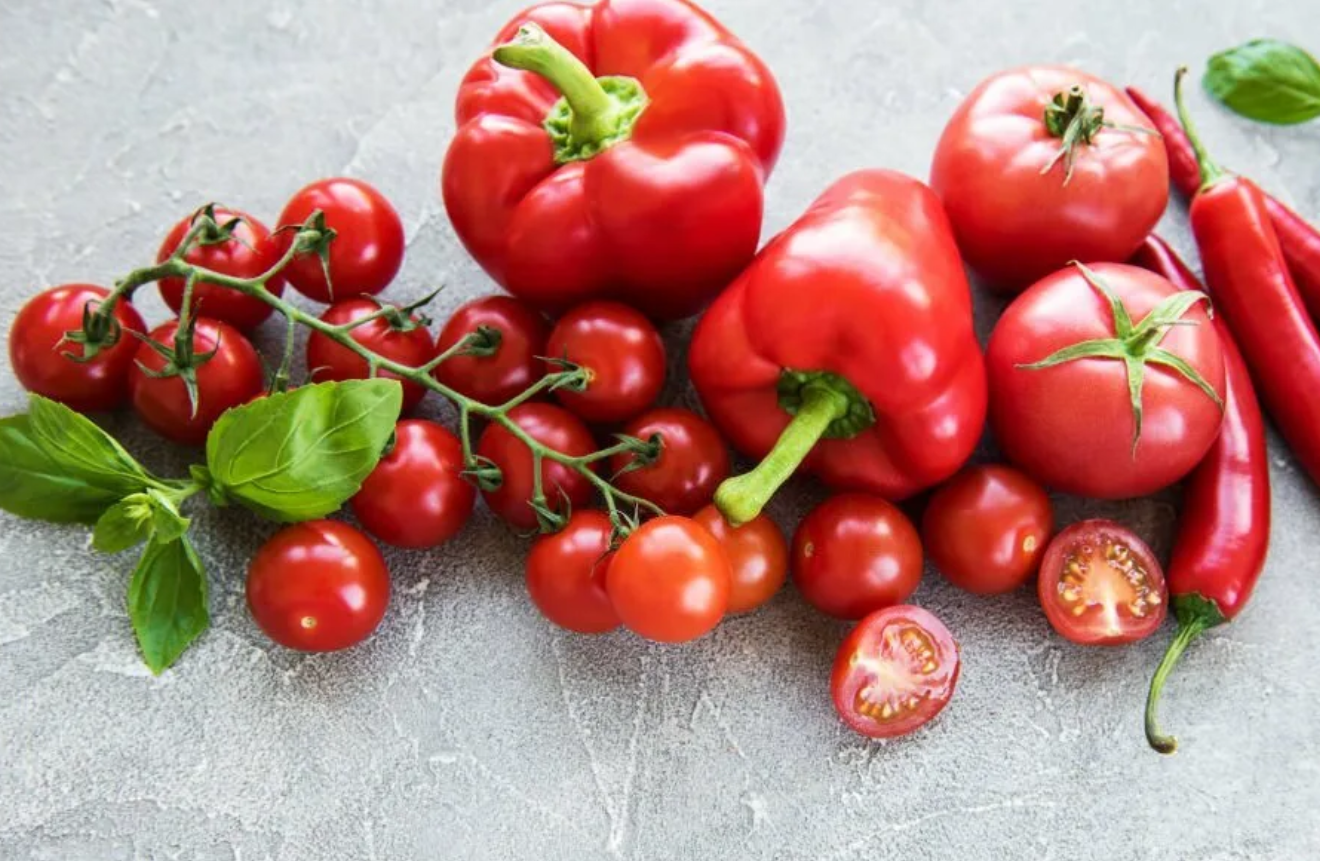
Tomatoes and red bell peppers are rich in the antioxidants vitamin C and lycopene.
Tips for preparing fruits and vegetables to preserve maximum nutrients beneficial for eyes and nerves
Vitamin A are fat-soluble, so cook carrots/sweet potatoes with a little oil or fat to maximize absorption by the body.
Green leafy vegetables if cooked at high temperatures for a long time, vitamin C and beneficial enzymes will be destroyed. It is best to blanch or stir-fry quickly, blend into smoothies, or juice green vegetables. Vitamins such as A, E, K, and lutein found in vegetables are fat-soluble, so sautéing vegetables with a little olive oil allows the body to maximize absorption.
How to prepare bell peppers can alter nutritional value. Bell peppers provide the body with more vitamins and minerals (vitamin A, vitamin C, calcium, potassium, and magnesium) when consumed raw.
Tomatoes can be eaten raw or cooked, but eating them cooked is better and still preserves their nutritional value. Choosing vine-ripened tomatoes is ideal as they contain the highest levels of antioxidants. The riper and redder the tomato, the more nutrients it contains, especially lycopene.
The longer tomatoes are cooked, the more heat releases lycopene concentrations and increases antioxidant levels, helping the body absorb more of them.