
How does a lack of green vegetables affect your health?
Green vegetables are not just "side dishes" but play an essential role in overall health
Benefits of eating plenty of vegetables
A diet rich in vegetables and fruits helps stabilize blood pressure, reduces the risk of cardiovascular disease and stroke, and contributes to the prevention of certain types of cancer. In addition, this food group helps improve vision, enhance digestion, and effectively control blood sugar.
In particular, non-starchy vegetables and low-sugar fruits, such as leafy greens, apples and pears, also support weight management thanks to their low energy density and help curb hunger.
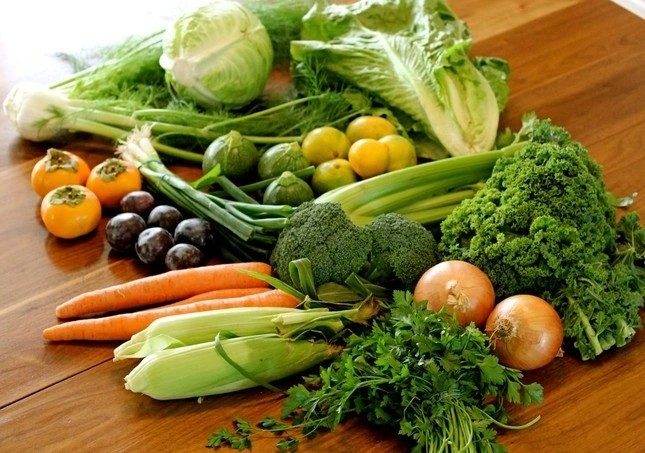
Each vegetable group has a different nutritional composition. Therefore, diversifying the colors and varieties of vegetables in the diet will help the body fully absorb beneficial compounds while making meals more appealing.
Consequences of not eating enough vegetables
Vitamin and mineral deficiencies
Vegetables and fruits are rich sources of essential micronutrients. Without adequate intake, the body can easily suffer from nutritional deficiencies, leading to fatigue and impaired physiological functions.
Increased digestive issues
Fiber in vegetables helps add bulk to stool, supports bowel motility, and prevents constipation. A lack of vegetables can increase the risk of conditions such as hemorrhoids, diverticulosis, and digestive disorders.
Increased risk of cancer
While no food makes one "immune" to cancer, a plant-rich diet can help reduce the risk of disease. Antioxidants in vegetables such as vitamins C and E, or carotenoids, help protect cells from damage caused by free radicals.
Prone to weight gain
When skipping vegetables, many people tend to replace them with foods high in fat and energy. This can easily lead to excess calorie intake, causing weight gain and obesity.
Increased risk of diabetes
Being overweight is a leading risk factor for type 2 diabetes. A lack of vegetables, which signifies an unhealthy diet, can increase the risk of this condition. Conversely, green vegetables and fruits help better regulate blood sugar levels.
Hypertension and cardiovascular disease
A diet low in vegetables and high in salt easily causes blood pressure to rise. Meanwhile, vegetables provide potassium, magnesium, and calcium—minerals that play an essential role in regulating blood pressure and protecting cardiovascular health.
Effects on mental health
Some studies show that people who eat plenty of vegetables and fruits have a lower risk of depression. The cause may be linked to deficiencies in B vitamins and essential micronutrients when the diet lacks vegetables.
Green vegetables are not merely "side dishes" but play an essential role in overall health. Maintaining the habit of eating a diverse variety of vegetables daily is a simple yet effective way to prevent diseases and enhance quality of life.