
How much vitamin D do women need daily for a healthy body?
Vitamin D is a fat-soluble vitamin involved in regulating the absorption of calcium and phosphorus, thereby maintaining bone density. Beyond bone and joint health, vitamin D is also linked to the function of the immune system, nervous system, and reproductive health in women.
The body can synthesize vitamin D when the skin is exposed to ultraviolet B (UVB) rays from sunlight. In addition, vitamin D is obtained through food and supplements. The circulating form of vitamin D in the blood is 25-hydroxyvitamin D (calcidiol), which is used to assess the body's vitamin D status.
Many surveys show that vitamin D deficiency or insufficiency remains widespread among women, particularly among the elderly, pregnant women, and those with limited sun exposure.
Daily vitamin D requirements for women
According to current dietary recommendations, the vitamin D requirements for women are specified as follows:
-
Ages 1–70: 600 IU/day (equivalent to 15 micrograms)
-
Over 70 years old: 800 IU/day (20 micrograms)
-
Pregnant and lactating women: 600 IU/day (15 micrograms)
This is the average recommended intake to maintain 25-hydroxyvitamin D blood levels at an adequate range for most healthy individuals. The safe upper limit for females aged 9 and older, including pregnant and lactating women, is 4,000 IU/day. Exceeding this amount over a prolonged period can cause hypercalcemia and serious complications.
1. Factors affecting vitamin D requirements
1.1. Sunlight exposure: About 70–80% of vitamin D in the body is synthesized through the skin under the effect of UVB rays. However, synthesis capacity depends on the time of day, season of the year, degree of skin coverage, and environmental conditions. In winter or on cloudy days, blood vitamin D levels tend to drop. People who work indoors or frequently cover up when going outside are at a higher risk of vitamin D deficiency. Several studies show that using sunscreen with an appropriate SPF does not significantly reduce vitamin D levels under typical sun exposure.
1.2. Age and life stage: The skin's ability to synthesize vitamin D decreases with age. Elderly people get less sun exposure and have reduced efficiency in converting vitamin D, making them more prone to deficiency. In postmenopausal women, bone resorption increases. Adequate vitamin D optimizes calcium absorption and reduces the risk of osteoporosis and fractures. For infants, breast milk contains vitamin D but usually not enough to meet their needs. Exclusively breastfed infants are generally recommended to receive vitamin D supplementation under a doctor's guidance.
1.3. Skin tone: Melanin—the pigment that determines skin color—can absorb and scatter UV rays. People with darker skin require longer sun exposure to synthesize the same amount of vitamin D compared to those with lighter skin. In low-light conditions or during winter, this group faces a higher risk of vitamin D deficiency.
1.4. Geographic location and environment: Areas farther from the equator have lower UVB intensity in winter, which reduces vitamin D synthesis. Air pollution, dense clouds, and the ozone layer also affect the amount of UVB radiation reaching the skin.
1.5. Health status and lifestyle: Several factors reduce the absorption or metabolism of vitamin D, such as gastric surgery or gastric bypass; gastrointestinal disorders like celiac disease, Crohn's disease, and ulcerative colitis; obesity (where vitamin D is trapped in adipose tissue); alcohol abuse; and smoking. Individuals in these categories may need their vitamin D levels monitored and supplemented as medically directed.
2. Benefits of vitamin D for women
2.1. Vitamin D helps protect bone health
Women achieve peak bone mass around age 30. After menopause, bone density decreases rapidly due to declining estrogen levels. Vitamin D helps improve intestinal calcium absorption, reducing the risk of osteoporosis. Studies show that vitamin D supplementation combined with calcium can reduce the risk of total fractures and hip fractures in older adults.
2.2. Supports immune function
Vitamin D helps regulate inflammatory responses and supports the body in fighting off pathogens. Low vitamin D levels are associated with an increased risk of respiratory infections and certain autoimmune diseases. However, the role of vitamin D supplementation in preventing infectious diseases is still under ongoing study.
2.3. Good for mood
Vitamin D has receptors in many regions of the brain, playing a role in regulating serotonin and dopamine. Several studies have noted a link between vitamin D deficiency and the risk of depression, especially in pregnant and postpartum women. However, evidence regarding the efficacy of vitamin D supplementation in treating depression remains inconclusive, and more high-quality studies are needed.
2.4. Role during pregnancy
The rate of vitamin D deficiency among pregnant women is relatively high. Low levels are associated with an increased risk of preeclampsia, preterm birth, and low birth weight. Ensuring adequate vitamin D during pregnancy is considered a factor supporting better pregnancy outcomes. Pregnant women should consult their doctor for assessment and appropriate supplementation guidance.
3. How to Know If You Have a Vitamin D Deficiency?
A blood test measuring 25-hydroxyvitamin D levels is the method used to assess vitamin D status.
Classification in adults:
-
Deficiency: below 12 ng/mL.
-
Insufficient: 12–20 ng/mL.
-
Adequate: 20–50 ng/mL...
Test results help physicians determine whether supplementation or dosage adjustments are necessary.
4. Three ways to supplement vitamin D
4.1. Sunlight: Reasonable sun exposure helps the body synthesize vitamin D naturally. However, it is necessary to balance the benefits with the risk of UV-induced skin damage. Avoid staying out in the sun for too long or neglecting skin protection measures.
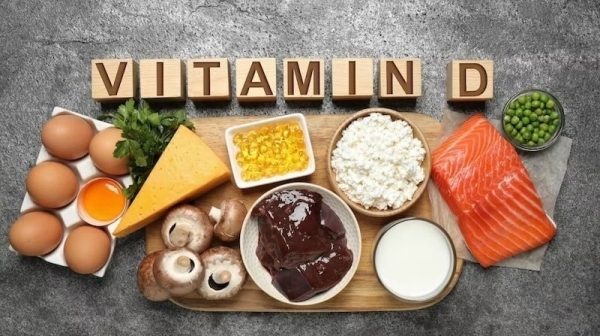
4.2. Food: Food sources of vitamin D include salmon, rainbow trout, egg yolks, UV-irradiated mushrooms, and vitamin D-fortified milk and soy milk... Vitamin D is fat-soluble, so consuming it with meals containing fats helps boost absorption.
4.3. Dietary supplements: Vitamin D has two main forms, vitamin D2 and D3—both can be used, though some studies suggest that D3 may raise vitamin D levels more effectively. Supplement dosages should be individualized based on lab test results and a doctor's advice; prolonged self-administration of high doses should be avoided.
5. Important notes when taking vitamin D supplements
5.1 Risks of overdosing: Vitamin D toxicity mainly occurs due to taking high-dose supplements over a long period. This condition increases calcium absorption, leading to hypercalcemia.
Complications may include:
-
Nausea, vomiting.
-
Kidney stones.
-
Kidney failure.
-
Soft tissue calcification.
-
Arrhythmia...
Therefore, it is necessary to adhere to the upper limit of 4,000 IU/day unless prescribed and monitored by a doctor.
5.2 Notes on drug interactions
Vitamin D may interact with certain medications:
-
Orlistat reduces vitamin D absorption.
-
Corticosteroids affect vitamin D metabolism.
-
Statin medications may alter vitamin D levels.
-
Thiazide diuretics increase the risk of hypercalcemia when taken with vitamin D...
People being treated with these medications should inform their doctor before taking supplements.
Vitamin D plays an important role in bone health, immunity, mood, and pregnancy in women. Most women require 600 IU daily, while those over 70 need 800 IU. Supplementation should be based on individual needs and test results. Maintaining sensible sun exposure, a balanced diet, and consulting a healthcare professional before taking supplements is a safe and effective approach.