

Foods that help people over 60 slow down natural aging
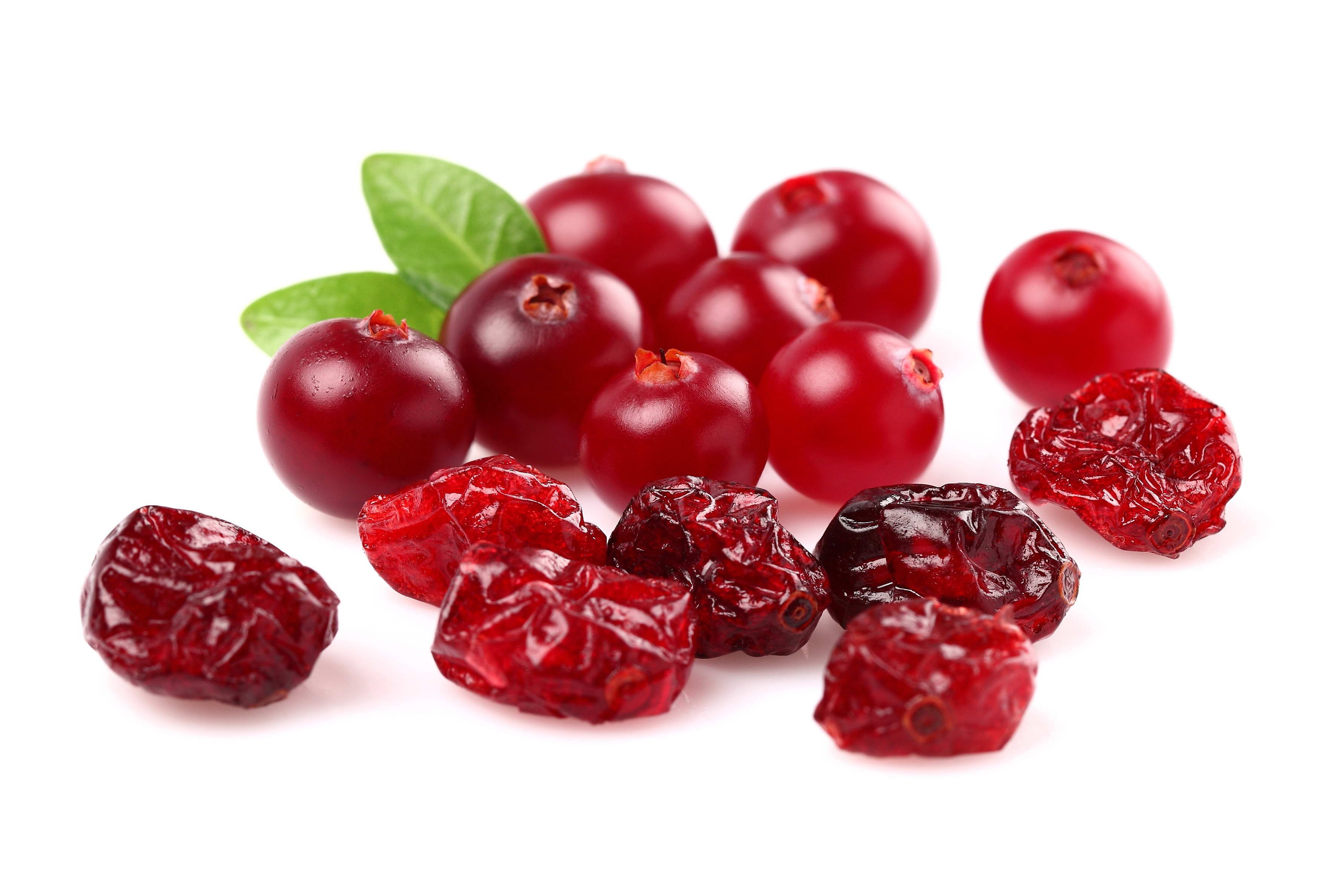
Cranberries are rich in antioxidants that support healthy aging for people in their 60s.
Turning 60 is a memorable milestone, and paying attention to the daily diet at this point is essential. Choosing the right foods will help older adults sustain energy, maintain a stable mood, and protect resilient health over the years.
People over 60 should add these 6 nutrient-rich foods to their daily diet to stay active and energized throughout their senior years.
Walnuts provide brain-healthy omega-3s
Walnuts provide plant-based omega-3s, antioxidants, and polyphenols, all of which play a crucial role in brain and cardiovascular health as we age.
Based on data from the Nurses' Health Study, researchers found that women who ate at least 2 servings of walnuts per week in their late 50s and early 60s were more likely to experience healthy aging—including being free of chronic diseases, memory issues, physical disabilities, and mental health problems after age 65—compared to those who did not eat walnuts regularly.
Cranberries are rich in antioxidants
Cranberries are very rich in anthocyanins and proanthocyanidins—antioxidants that support various aspects of health for people in their 60s, from brain health to the urinary tract. Anthocyanins in cranberries provide their vibrant red color and play an important role in protecting and supporting brain cells. Thanks to their antioxidant and anti-inflammatory properties, anthocyanins are being studied for their potential role in reducing the risk of brain disorders such as Alzheimer's and Parkinson's disease in people over 60.
Cranberries can also help prevent urinary tract infections (UTIs). Cranberries contain compounds called proanthocyanidins (PACs), which have been shown to help maintain urinary tract health. These compounds help prevent bacteria from adhering to the urinary tract walls, thereby reducing the rate of infection.
Pistachios provide plant-based protein
Eating a handful of pistachios a day can help improve intake of fiber and key nutrients, including healthy fats, protein, and antioxidants such as lutein, which help protect eyesight. and support overall health in old age.
As an abundant source of plant-based protein and fiber, pistachios can help increase feelings of fullness with only 160 calories per serving, helping to maintain a healthy weight after age 60.
Green leafy vegetables slow down the aging process
Green leafy vegetables such as spinach, kale, and cabbage are rich in vitamin K and folate, which support brain health and may slow age-related cognitive decline. A diet high in dark leafy greens has been associated with improved memory and overall cognitive function in older adults. These vegetables are rich in brain-supporting nutrients like phylloquinone, beta-carotene and vitamin E, believed to support brain function and improve memory in older adults.
Beans and legumes that help maintain bone density after age 60
Maintaining bone density is vital for preserving independence and overall quality of life as you age. About 10 million adults over 65 suffer from osteoporosis. Along with physical activity and strength training to prevent osteoporosis, incorporating legumes into the diet can also support bone health. Legumes are an excellent source of plant-based protein and fiber, aiding in muscle maintenance, gut health, and reducing inflammation.
While all legumes such as mung beans, black beans, hyacinth beans, lentils, peas, and peanuts can support strong bones, chickpeas may offer even greater benefits. The isoflavones and polyphenols in chickpeas can help prevent osteoporosis by supporting bone metabolism and reducing inflammation.
Prunes prevent constipation and reduce the risk of osteoporosis
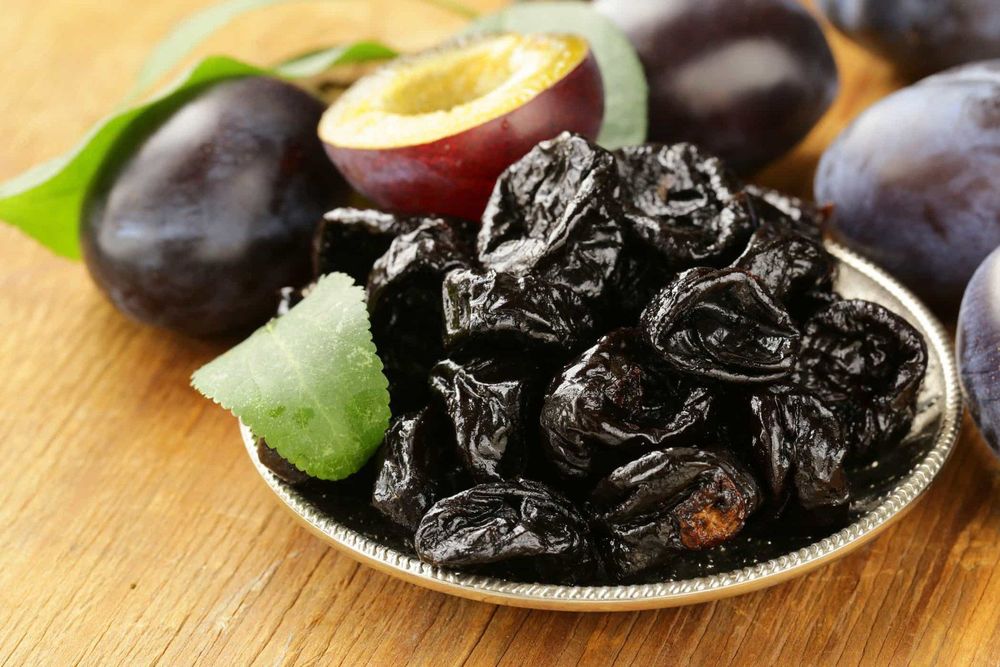
Prunes may be beneficial in improving bone health.
Prunes contain bioactive compounds that can help slow down bone loss, making them one of the foods older adults should eat to support healthy aging.
In one study, postmenopausal women who ate 50 g (about 5-6 prunes) of prunes daily experienced a reduced rate of hip bone mineral density loss over 6 to 12 months, whereas women who did not eat prunes had a higher risk of fractures after 6 months.
The high fiber content in prunes can also help relieve constipation and facilitate bowel movements. People over 60 should remember to drink more water to minimize side effects associated with increased fiber intake, such as gas and bloating.