

Want to lower uric acid? Don't overlook these dietary principles
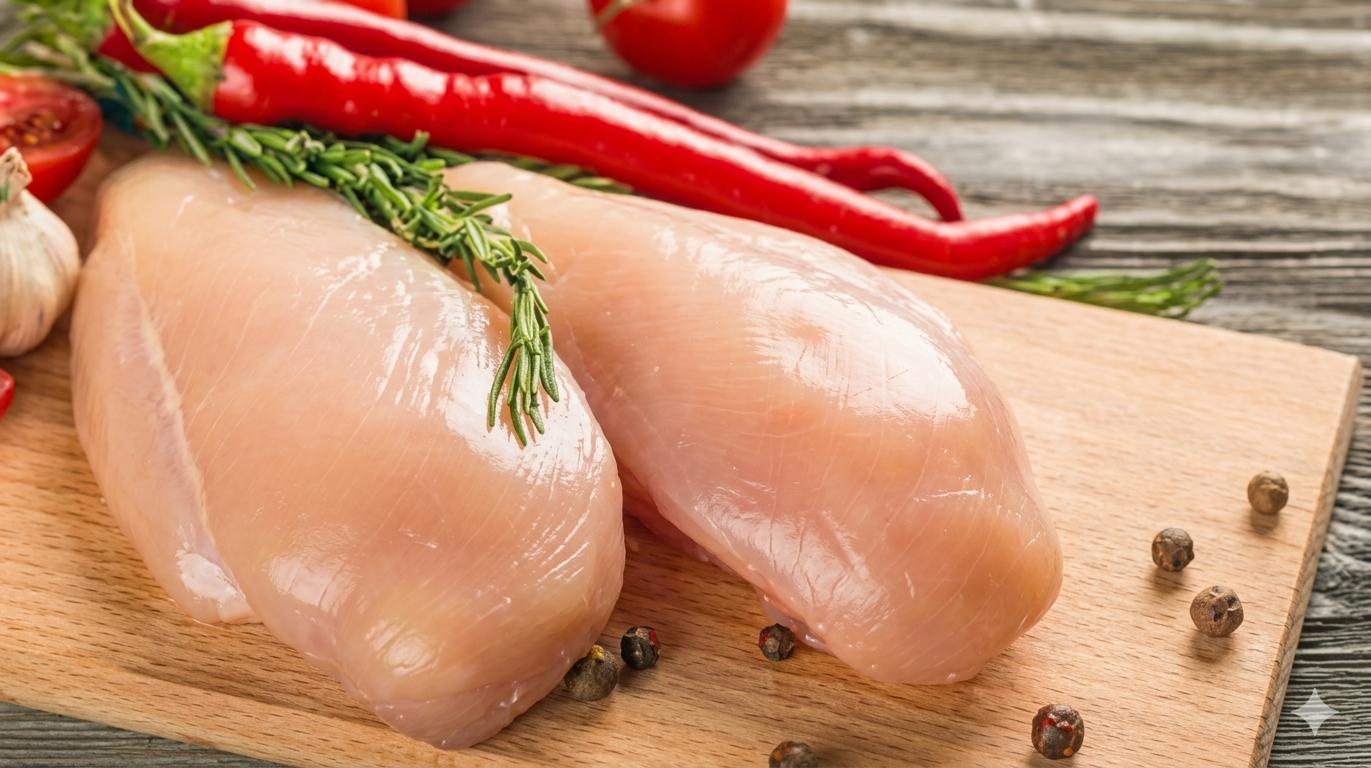
Chicken is a source of lean protein that helps prevent sudden spikes in blood uric acid levels.
Excessive accumulation of uric acid in the blood largely stems from unscientific eating and lifestyle habits of modern life.
When the body fails to excrete it in time, this acid crystallizes into sharp urate crystals that deposit in the joints, causing severe pain, or form kidney stones. Proactively adjusting one's daily lifestyle is the most natural and sustainable solution.
The right diet to prevent uric acid spikes
One of the leading causes of spiking uric acid levels in the blood is consuming excessive amounts of purine-rich foods. Purine is a natural compound that, when broken down in the body, converts directly into uric acid.
Therefore, individuals at high risk of or suffering from gout must strictly limit red meat, animal offal, and certain sea fish such as sardines. Instead, prioritize leaner, milder protein sources such as chicken, eggs, tofu, and legumes. In addition, moderately supplementing with green vegetables, whole grains, and low-fat dairy products will help naturally neutralize and reduce this level.
In addition, certain harmful beverages act as hidden "culprits" hindering the body's natural detoxification capacity. Alcohol, beer, and soft drinks containing high-fructose corn syrup not only stimulate the liver to produce more uric acid, but also place heavy strain on the kidneys, reducing their filtering efficiency.
Completely eliminating or maximally cutting down on these beverages is essential. As alternatives, one can opt for more refreshing and healthier choices such as fresh lemonade, unsweetened herbal tea, or sparkling mineral water.
Optimizing the kidneys' uric acid excretion function
Drink enough water
The kidneys serve as the body's primary blood filters, responsible for eliminating waste through the urinary tract. To help the kidneys function smoothly, drinking 8 to 10 glasses of water daily is a simple yet highly effective approach.
When the body is properly hydrated, uric acid levels in the blood are diluted, preventing the risk of urate crystallization and promoting faster excretion. In addition to plain water, you can supplement with fresh coconut water or herbal teas for a change of flavor every day.
Supplementing with vitamin C-rich foods
In particular, actively incorporating foods rich in vitamin C and potent antioxidants can help protect the urinary system. Cherries (cherry) or fresh, unsweetened cherry juice are sources of anthocyanin - a powerful anti-inflammatory compound scientifically proven to significantly lower uric acid levels. Citrus fruits, kiwis and strawberries, which are rich in vitamin C, stimulate the kidneys to work more efficiently, helping gently "sweep away" excess salt crystals from the body.
Weight control
Being overweight or obese not only impacts your figure, but also directly stimulates uric acid production while compressing and putting immense pressure on the kidneys' filtration function. When the body carries excess weight, the excretory system becomes overloaded, slowing down waste elimination. Moderate weight loss and maintaining a healthy body mass index (BMI) will make a profound difference in controlling gout as well as preventing the risk of kidney stones.
Note that the main principle is to maintain a gradual, scientifically sound weight-loss journey, avoiding extreme diets, excessive intermittent fasting, or rapid weight-loss pills of unknown origin. Cultivate a healthy lifestyle, exercise regularly every day, eat mindfully, and cut back as much as possible on processed foods high in salt and sugar. An active body combined with a relaxed mind will serve as a solid shield against complications from hyperuricemia.