
The once-fallen fruit that carpeted backyards is now a delicacy: Plant once, harvest for years
Canistel, also known as eggfruit or lekima, was once deeply tied to the childhood memories of many generations of Vietnamese people. In the past, these trees were grown sparsely in home gardens, along roadsides, and by pond edges. In season, ripe fruits dropped abundantly beneath the trees; children picked them for fun, and adults rarely paid much attention. Yet over time, from a humble rustic fruit that few bothered to harvest, canistel has become a specialty sought after by many city dwellers for its novel taste and high nutritional value.
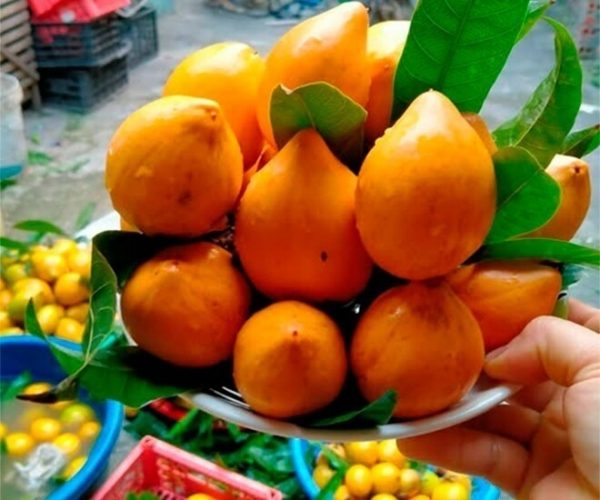
Canistel is a perennial woody tree with a broad canopy that stays green year-round. The canistel fruit is oval, palm-sized, with a thin skin that is light green when young and turns golden-orange when ripe. In appearance, the fruit resembles a chicken egg, from which its folk name "trứng gà" (egg fruit) originated.
The interior flesh is deep yellow, soft, smooth, and dry rather than juicy like many other fruits. When cut open, the fruit has a mild aroma, and each fruit typically contains 1–4 large seeds with hard, glossy coats.
The most distinctive feature of canistel (eggfruit) is its flavor. The flesh is rich, mildly creamy, and moderately sweet, reminiscent of eating an egg yolk blended with sweet potato and a touch of natural vanilla. For many, canistel is not an “instant favorite,” but the more you eat it, the more enjoyable it becomes, especially when savored at peak ripeness.
Egg fruit is often eaten fresh by scooping the soft flesh directly with a spoon. In addition, it can be blended with milk into smoothies, made into ice cream, baked into cakes, or mixed with shaved ice, creating a rich, nutty, and novel snack.
In the past, canistel trees had almost no economic value. Ripe fruits dropped all over the ground, only picked by children for fun. In many places, it was even regarded merely as a shade tree, with hardly anyone thinking about harvesting it for sale.
However, in recent years, alongside the trend of seeking out indigenous agricultural produce, the canistel (eggfruit) has unexpectedly become a specialty. Many urban dwellers, especially those with childhood roots in the countryside, have begun buying canistel for its nostalgic flavor and health benefits. Consequently, canistel has gradually appeared more often in rural markets, specialty shops, and e-commerce platforms.
Egg fruit is usually in season from around April to August each year, peaking in early summer. Once planted, the tree can bear fruit for many consecutive years, has few pests and diseases, and tolerates drought well.
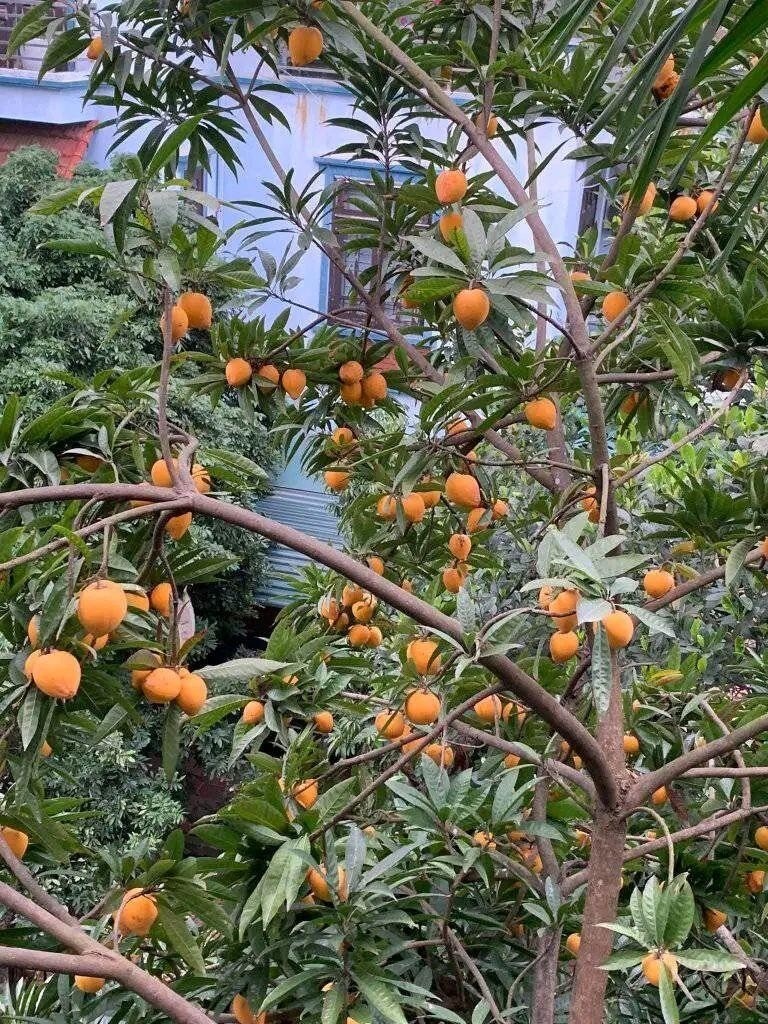
Once a virtually worthless fruit, eggfruit (canistel) is now sold at a fairly stable price, ranging between 20,000 and 40,000 VND/kg depending on the season and quality. Large, evenly ripe, beautifully golden fruits harvested from old trees often fetch higher prices and are highly favored.
Health benefits of canistel (egg fruit)
Good for cardiovascular health
Egg fruit is considered a rustic fruit, yet it is very beneficial for cardiovascular health. Its natural potassium content helps regulate blood pressure, supports vasodilation, and maintains a stable heart rhythm.
In addition, antioxidants such as vitamin C and vitamin E in canistel (egg fruit) also contribute to protecting blood vessel walls and inhibiting the oxidation of bad cholesterol, thereby helping prevent atherosclerosis. The combination of minerals and vitamins makes canistel a suitable choice for those concerned with cardiovascular health.
Supports the digestive system
Beyond its creamy, nutty, and easy-to-eat flavor, canistel also provides a significant amount of dietary fiber for the body. Fiber helps stimulate bowel function, supports smooth digestion, and reduces the risk of constipation.
In addition, the fiber in canistel (eggfruit) also helps nourish beneficial gut bacteria and maintain the balance of the microbiome, thereby contributing to improved digestive health and strengthened body immunity.
Improves eyesight, good for vision
Canistel is rich in vitamin A—an essential nutrient that helps maintain healthy eyesight, supports clear vision, and reduces the risk of eye conditions such as night blindness and macular degeneration.
Notably, this fruit is also rich in beta-carotene – a precursor to vitamin A and a powerful antioxidant. Beta-carotene helps protect eye cells from the effects of free radicals, helping slow eye aging and reduce the risk of cataracts and age-related vision loss.
Helps prevent anemia
Compared to many other fruits, canistel is relatively rich in iron—an essential mineral for blood production. Iron helps the body produce hemoglobin, supporting oxygen transport to tissues and cells.
As a result, adding canistel (eggfruit) to the diet can help reduce the risk of anemia, making it particularly suitable for pregnant women, growing children, and individuals who engage in regular physical labor and exercise.
Natural skin beauty
Egg fruit not only provides vitamin C but also contains many vitamins and minerals beneficial to the skin. The combination of vitamin C, vitamin A, and antioxidant compounds stimulates collagen synthesis, supports skin cell regeneration, improves elasticity, and evens out skin tone.
Additionally, the anti-inflammatory compounds in canistel also help soothe the skin and reduce redness and irritation, thereby delivering smooth, radiant, and healthy skin from within.
Supports weight management
Canistel is relatively low in calories yet rich in dietary fiber, helping prolong fullness, curb cravings, and effectively support weight management.
In addition, incorporating canistel (eggfruit) into your diet provides essential vitamins, minerals, and antioxidants, contributing to enhanced immunity, health protection, and healthy, radiant skin. When appropriately integrated into a healthy diet, canistel not only supports a balanced physique but also keeps the body full of energy.