

A familiar fruit likened to a natural painkiller
According to Dr. Huynh Tan Vu from the University Medical Center HCMC, chili is a familiar spice in many Vietnamese meals. In traditional medicine, chili peppers are pungent and hot in nature, believed to relieve chest congestion, dispel cold, strengthen the spleen, aid digestion, and alleviate pain.
Thanks to these properties, chili peppers are often used to help treat stomach aches caused by cold, poor digestion, joint and bone aches, or applied externally in certain cases of insect, snake, or centipede bites.
Traditional medicine literature also records that chili peppers can contribute to strengthening resistance and supporting disease prevention when the body is exposed to cold or catches a chill.
Health benefits of chili peppers
The active compound capsaicin helps relieve pain
Modern medical research has also noted many biological effects of chili peppers, mainly due to the active compound capsaicin—the substance responsible for their characteristic pungency. Capsaicin is typically found in higher concentrations as the chili ripens, making up about 0.01–0.1% of the fruit's composition.
This active compound can stimulate the brain to release endorphins—the body's natural 'morphine.' Endorphins provide natural pain relief, so capsaicin is believed to be beneficial in pain management, particularly for people suffering from chronic arthritis or persistent pain.
Today, capsaicin is also used in many topical medications, such as pain-relieving creams or patches, commonly used for people suffering from post-herpetic neuralgia or musculoskeletal pain.
Supports cardiovascular health and boosts immunity
In addition to its pain-relieving effects, several studies suggest that compounds in chili peppers may help improve blood circulation and reduce platelet aggregation, a factor linked to the risk of blood clot formation.
As a result, consuming chili peppers in moderation in the diet can support cardiovascular health and contribute to blood pressure control.
In addition, chili peppers are rich in vitamins and antioxidants, which help boost immunity and support the body in fighting off common colds.
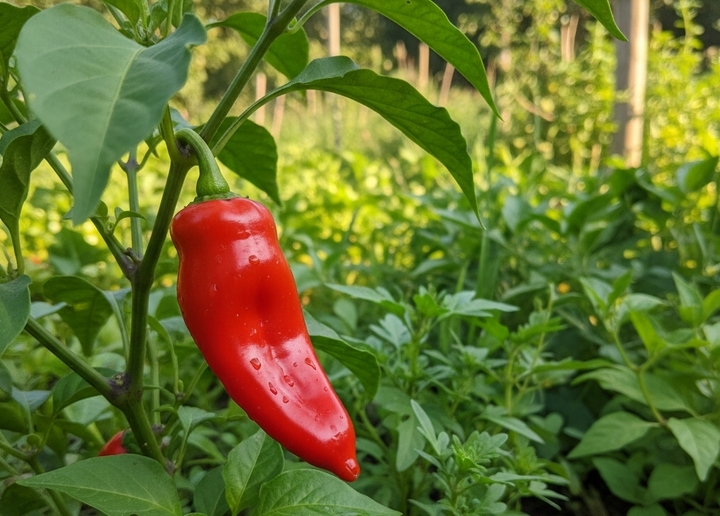
Chili is a familiar seasoning in the meals of many Vietnamese families.
Folk uses of chili peppers
In folk experience, chili peppers are used as an ingredient in many health-supporting remedies.
For example, ripe chili peppers can be steeped in white liquor for about 10–20 days, and the liquid can then be applied to the scalp to stimulate hair growth, especially for those experiencing hair loss after chemotherapy.
Chili peppers are also commonly used as a seasoning in everyday meals to aid digestion and help relieve bloating and indigestion.
For those suffering from stomach pain due to cold exposure, folk tradition often uses chili combined with powdered turmeric, taken several times a day to warm the stomach.
In cases of chronic joint and bone pain, chili can be combined with Tinospora sinensis and Smilax glabra, decocted into a drink according to traditional medicine experience.
In addition, chili leaves crushed with salt are sometimes applied to boils to relieve pain and help draw out pus, supporting the wound healing process.
Usage notes
Despite its many benefits, chili is still a strongly spicy and hot food. Consuming too much can cause stomach irritation, especially in people with digestive disorders.
Therefore, chili should be consumed in moderation in daily meals. Regarding traditional remedies, patients should seek professional medical advice before use to avoid unwanted risks.