
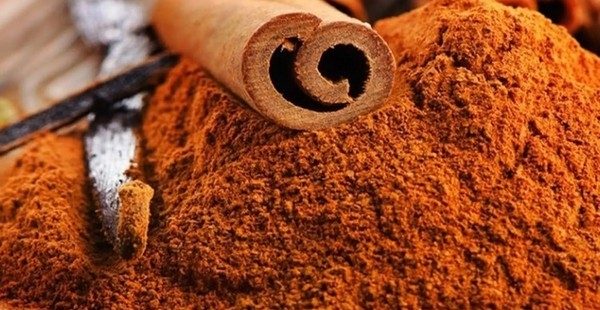
Not only adding flavor, cinnamon can also help lower blood sugar and reduce insulin resistance
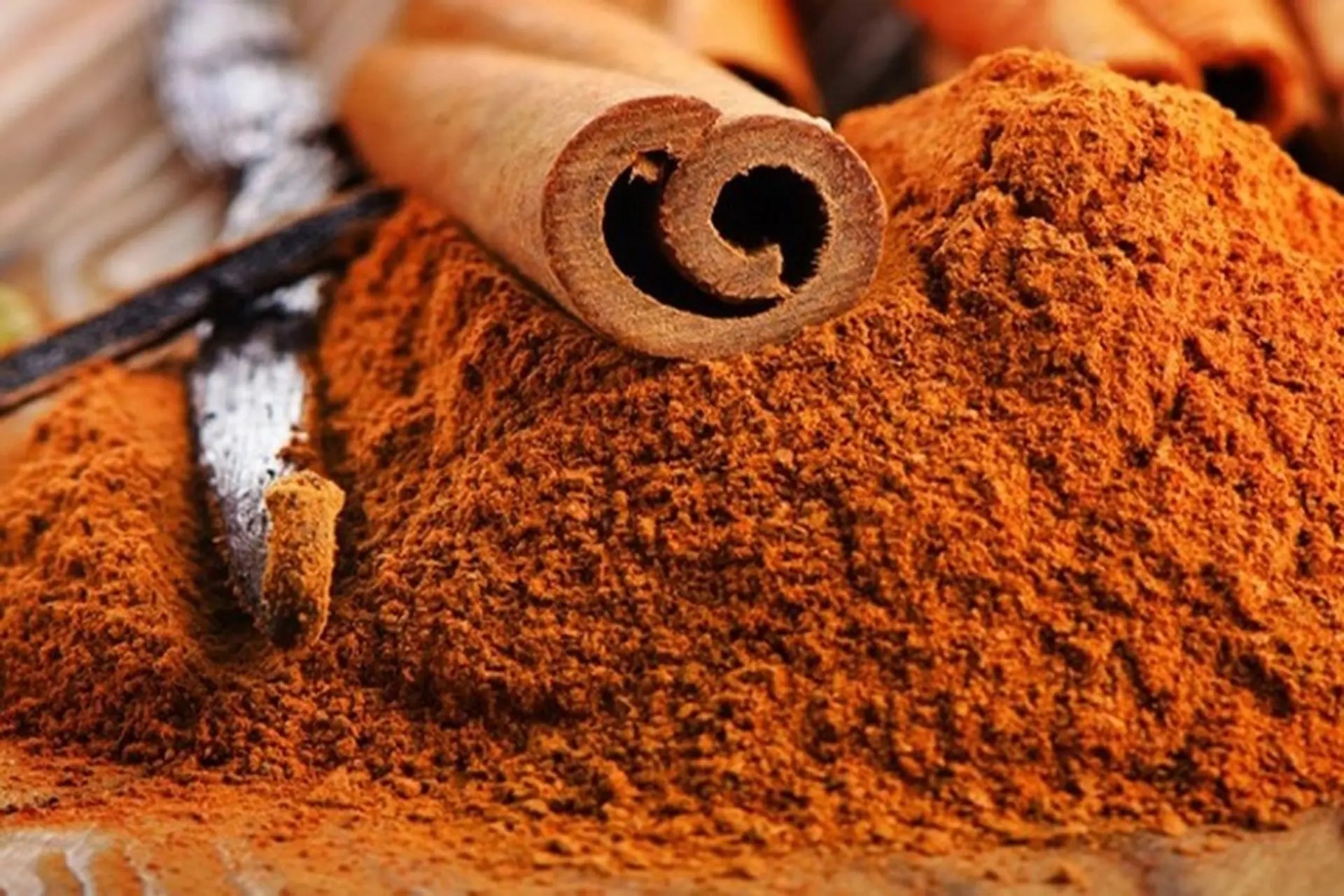
Properly incorporating cinnamon into your daily menu can bring positive changes to metabolism.
Cinnamon has long been used to reduce inflammation and support cardiovascular and neurological health. Today, it is also appreciated for its flavor and potential to assist in blood sugar control and weight management.
1. Studies on the effects of cinnamon on blood sugar levels
Extensive research shows that cinnamon reduces blood sugar over time (measured by HbA1c) by about 0.1% and fasting blood glucose by nearly 11 mg/dL in people with type 2 diabetes or polycystic ovary syndrome (PCOS).
Numerous clinical studies have shown that regular consumption of cinnamon can help reduce fasting blood glucose levels in individuals with hyperglycemia, providing significant support for long-term condition management. However, several other studies indicate that its effect on HbA1c may not be significant.
Cinnamon can also improve insulin sensitivity, measured by HOMA-IR, which reflects how well the body responds to insulin. Poor insulin sensitivity (insulin resistance) is the primary cause of type 2 diabetes.
Most studies on cinnamon's blood sugar-lowering effects have focused on people with type 2 diabetes. Its benefits for individuals without diabetes remain unclear.
2. How does cinnamon lower blood sugar?
Properly incorporating cinnamon into your daily menu can bring positive changes to your metabolism, especially for those facing insulin resistance or prediabetes. Cinnamon can lower blood sugar by:
-
Enhance insulin receptor activity, leading to more efficient removal of glucose from the blood.
-
Cinnamon also helps prolong the feeling of fullness and reduce sugar cravings, making it easier to maintain a healthy diet without feeling overwhelmed.
-
Reduce inflammation and cellular damage, factors contributing to type 2 diabetes.
-
Lowers postprandial glucose levels and slows carbohydrate digestion.
-
Slows down gastric emptying.
How much cinnamon is needed to lower blood sugar?
Studies have used cinnamon dosages ranging from 0.5 to 6 g, roughly equivalent to 1/4 to 2 teaspoons.
You can sprinkle 0.5 to 1 teaspoon of cinnamon powder over food throughout the day to help lower blood sugar. Try incorporating cinnamon into your daily diet for at least 8 weeks to notice the blood sugar-lowering effects of this spice.
3. How to Choose and Use Cinnamon Safely for Health
The amount of cinnamon typically used in food (a teaspoon or less) is generally considered safe. However, if you are allergic to cinnamon or its compounds, avoid consuming it.
Choose Ceylon cinnamon if possible. Some products may not specify the type of cinnamon they contain. However, whenever possible, opt for Ceylon cinnamon (Cinnamomum zeylanicum).
Be cautious with coumarin: Cassia cinnamon (Cinnamomum cassia) contains coumarin, a chemical compound that can cause liver damage when consumed in large amounts over long periods or in individuals with liver disease.

Add cinnamon to your daily sweet or savory dishes to reap numerous benefits.
Consuming cinnamon in culinary amounts of 0.5 to 1 teaspoon per day mixed into food is considered safe. Consuming large amounts of cinnamon or using it over a prolonged period may lead to gastrointestinal side effects.
You can add about a teaspoon or less of cinnamon to your daily meals. Avoid consuming cinnamon directly; instead, sprinkle it over oatmeal, overnight oats, Greek yogurt, cottage cheese, or into your coffee.
To make the most of cinnamon's benefits and flavor, you can start by giving a familiar apple pie a new twist or adding a little ground cinnamon to shakes and fruit smoothie drinks. In baking, cinnamon is an ideal ingredient for muffins, bread, pancakes, or nutritious energy bars.
Not just for sweets, this spice also adds depth of flavor when added to chili, curries, stews, or roasted vegetables. In addition, mixing cinnamon into granola, snack mixes, meat rubs, or simply stirring it into nut butter and warm milk are great ways to enrich your daily menu.
Although cinnamon is an excellent "helper," it cannot fully replace medical treatments or a scientific lifestyle. For the best results, cinnamon consumption should be combined with a fiber-rich diet, prioritized healthy proteins, and a gentle exercise routine.