

US CDC ranking: Collard greens rank among the top 10 most nutritious vegetables
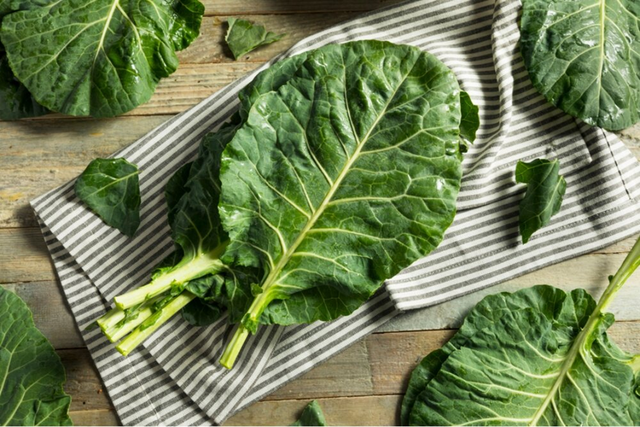
Collard greens are rich in nutrients, low in calories, and offer many health benefits. Illustrative image.
According to assessments by the U.S. Centers for Disease Control and Prevention (CDC) and First For Women magazine, collard greens are currently one of the ten most nutritionally valuable vegetables.
Specifically, based on the CDC list, the American magazine First For Women listed the top 10 healthiest vegetables in the world.
1. Watercress (100 points)
2. Napa cabbage (91.99 points)
3. Swiss Chard (89.27 points)
4. Beet greens (87.08 points)
5. Spinach (86.43 points)
6. Chicory (73.36 points)
7. Lettuce (70.73 points)
8. Parsley (65.59 points)
9. Romaine lettuce (63.48 points)
10. Collard greens (62.49 points)
Notably, collard greens rank 10th among vegetables with high nutritional value. This vegetable is very familiar, readily available in most Vietnamese markets, grocery stores, and daily meals at an affordable price.
Collard greens belong to the cruciferous vegetable family—along with bok choy, kale, broccoli, Brussels sprouts, cabbage, and radishes—which are packed with nutrients, low in calories, and offer numerous health benefits.
According to Health & Life, collard greens are a rich source of vitamin A, vitamin C, calcium, vitamin K, iron, vitamin B-6, and magnesium... In addition, they also contain thiamine, niacin, pantothenic acid, and choline. This vegetable offers numerous health benefits, such as:
Can help fight cancer
Numerous studies have proven that consuming plenty of cruciferous vegetables helps reduce the risk of developing several types of cancer, including prostate, breast, ovarian, lung, and colorectal cancer. This is thanks to glucosinolate compounds in cruciferous vegetables, which are converted into isothiocyanates (ITCs) in the body. ITCs protect cells and may help prevent various forms of cancer.
Improve vision
This vegetable is not only rich in vitamin A—an essential nutrient for vision—but also contains antioxidants like lutein and zeaxanthin, which are present in the macula and retina of the eye. Studies have shown that these antioxidants can help prevent eye conditions such as age-related macular degeneration, cataracts, and diabetic retinopathy. Furthermore, eating mustard greens every week can reduce the risk of developing glaucoma by 57%.

Good for bones
Low vitamin K intake may increase the risk of osteoporosis and fractures. Vitamin K acts as a regulator of bone matrix proteins, improves calcium absorption, and may reduce urinary calcium excretion.
One cup of boiled collard greens provides 770 mcg of vitamin K. The Dietary Guidelines for Americans recommend that women aged 19 to 30 consume 90 mcg of vitamin K per day and men of the same age consume 120 mcg.
Reduce the risk of diabetes
Collard greens also contain an antioxidant known as alpha-lipoic acid. Studies show that alpha-lipoic acid (ALA) can lower glucose levels, increase insulin sensitivity, and prevent oxidative stress-induced changes in people with diabetes. It may also help regenerate liver tissue.

Good for cardiovascular health
Many studies have shown that increasing physical activity, abstaining from smoking, and eating more cruciferous vegetables can reduce the risk of heart disease. Cruciferous vegetables are more beneficial for cardiovascular health than other vegetables. They lower bad cholesterol and regulate systolic blood pressure.
Good for sleep, stress relief
Collard greens contain choline, an important neurotransmitter. Choline supports mood, sleep, muscle movement, learning, and memory functions. It also helps maintain cellular membrane structure, nerve impulse transmission, fat absorption, and reduces chronic inflammation.
In addition, folate in collard greens also helps reduce depression because it can prevent excess homocysteine from forming in the body.
Scientists have found elevated homocysteine levels in people with bipolar disorder and depression linked to alcohol use disorders. Folate intake may help reduce the risk of depressive symptoms in some individuals.
Supports healthy digestion
Collard greens are high in fiber and water content, helping to prevent constipation, promote regularity, and maintain a healthy digestive tract.