
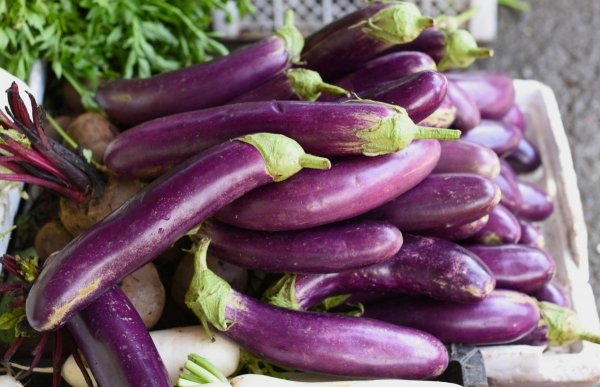
Eggplant: Food combinations to know to avoid indigestion

Eggplant should not be combined with crab. Illustrative photo.
Eggplant is a familiar summer vegetable, currently entering peak harvest season and commonly found on many family dinner tables. Surrounding the combination of eggplant with other foods, there are still many beliefs regarding "incompatible foods".
However, from a modern nutritional perspective, there is no scientific evidence confirming that these combinations produce toxins. What matters most is the preparation method, consumption amount, and individual health status.
Eggplant and crab: People with weak digestive systems should consume in moderation
Crab is a protein-rich food whose digestion requires significant stomach acid and intestinal contractions. Meanwhile, eggplant is high in fiber and absorbs a lot of oil during cooking, making the dish harder to digest.
Eating crab and eggplant in the same meal can prolong gastric emptying time, especially in middle-aged and elderly people or those with weak digestive systems.
In addition, crab, if not properly preserved, especially in hot weather, carries a risk of causing digestive disorders. People prone to allergies may also have an increased risk of adverse reactions when consuming these two foods simultaneously.
However, combining crab and eggplant does not create toxins or cause food poisoning as rumored. People with sensitive digestive systems simply need to eat it in moderation and avoid consuming it too frequently.
Eggplant and mung beans: Should not be eaten excessively over long periods
Both mung beans and eggplants are considered cooling foods. Mung beans are rich in dietary fiber, while eggplants cooked with plenty of oil and fat will increase the dish's caloric content.
If consumed in large amounts at once, total fiber intake can spike, stimulating bowel movements and causing some people to have more frequent bowel movements than usual. Some literature also suggests that excessively high fiber intake may reduce the absorption of certain micronutrients, such as calcium and iron.
Therefore, combining eggplant with mung beans in moderate amounts is not a cause for concern. However, one should not make a habit of consuming excessive amounts of these two foods over an extended period, particularly individuals with sensitive digestive systems.
Eggplant and goose meat: May increase digestive burden
Goose meat contains a higher fat content than many white meats such as chicken or fish. Meanwhile, eggplant tends to absorb a lot of oil during cooking, increasing the total amount of fat in the meal.
This combination can slow down digestion, making some people feel bloated, full, or sleepy after a meal. For middle-aged and elderly individuals, or those with metabolic disorders, consuming high-fat foods in the evening can also affect sleep quality.

Eggplant and goose meat - a pair that should not be combined. Illustrative photo. ↵
How to eat eggplant for good health?
Nutritionists suggest that there is no need to avoid eggplant completely. The key is to build a diverse, balanced diet and choose appropriate cooking methods.
Compared to deep-fried or heavily oiled braised dishes, steamed, boiled, or lightly stir-fried eggplant is easier to digest and helps limit fat intake.
In addition, people with sensitive digestive systems should monitor their body's response after eating, especially if symptoms such as bloating, abdominal distension, or acid reflux occur.
In reality, the factors that significantly impact health do not lie in individual food combinations, but mainly stem from diets high in oil, fat, and salt, lacking green vegetables, eating too quickly, or nutritional imbalances.
Maintaining a moderate, diverse, and rational diet remains the most crucial solution for long-term health protection.