
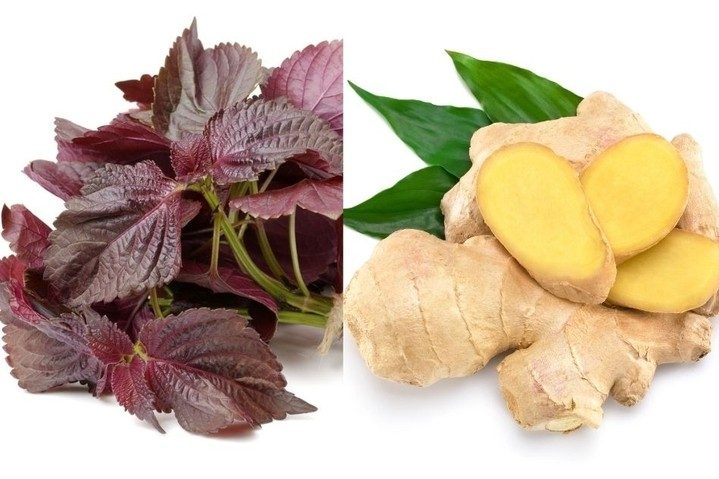
The herbal remedy of perilla leaves boiled with ginger everyone needs to know
According to herbalist Bui Dac Sang from the Hanoi Oriental Medicine Association, perilla is an annual herb that grows wild or is widely cultivated in many regions of Vietnam and Asian countries. The plant prefers light and moist soil, and typically thrives in loam or alluvial soil.
After flowering and fruiting, the plant withers away, its seeds falling to the ground to germinate during the following rainy season. Not only a familiar culinary herb in meals, perilla is also regarded as a medicinal herb in traditional medicine.
Cold-relieving and fever-reducing effects
In Eastern medicine, perilla is classified among the medicinal herbs that dispel wind-cold, stimulate sweating, and help reduce fever. Decoctions or alcoholic extracts of perilla leaves have the ability to dilate peripheral blood vessels, helping the body dispel heat when suffering from a cold.
Furthermore, the essential oil in perilla leaves helps relieve bronchial smooth muscle spasms, aiding in cough reduction and easing breathing difficulties. Perilla leaf infusions have also been noted for their ability to inhibit several bacteria, such as Staphylococcus, Shigella, and Escherichia coli.
Perilla seeds are often used as a medicinal tea to relieve qi congestion, while perilla stems are used in several traditional remedies to support a healthy pregnancy.
Rich in essential oils and antioxidants
According to chemical composition studies, perilla seeds contain a high essential oil content and numerous unsaturated fatty acids, particularly alpha-linolenic acid. Meanwhile, perilla leaves contain about 0.2% essential oil along with compounds such as hydrocarbons, aldehydes, ketones, and furans.
Extracts from perilla leaves are believed to possess antioxidant, anti-inflammatory, anti-allergic, and mood-enhancing properties.
Some folk remedies from perilla leaves
In folk medicine, perilla leaves are used to help stop bleeding. When a wound is bleeding, fresh young perilla leaves can be crushed and applied to the injured area to help stem the bleeding and reduce infection.
To treat a cold, place the washed peel of one mandarin, three slices of ginger and a handful of perilla leaves in a pot with one bowl of water. Bring to a boil, then drink while hot and keep your body warm.
Another way is to place finely chopped perilla leaves, scallions, and ginger into a bowl, crack in a chicken egg, and pour hot porridge over the mixture, stirring well and eating it hot to help relieve colds.
People suffering from bloating or mild abdominal pain can crush perilla leaves and drink the juice with a pinch of salt. In addition, perilla stems and leaves combined with mulberry root bark are also used in folk remedies to help relieve coughs and shortness of breath.
How to brew perilla leaf tea for daily consumption
Perilla leaves are also widely brewed into beverages. According to herbalist Bui Dac Sang, perilla leaf tea contains plant protein, dietary fiber, and various vitamins and minerals that can support the body's metabolism.
To prepare, wash the perilla leaves thoroughly in lightly salted water. Bring about 2.5 liters of water to a boil, then add the leaves, cover tightly and boil for about two more minutes before turning off the heat. Once the water has cooled, you can add a few slices of lemon and refrigerate it to drink throughout the day.
Many people choose to drink perilla leaf water about 10-30 minutes before meals to support digestion and curb food intake.