
Foods and drinks richer in antioxidants than green tea
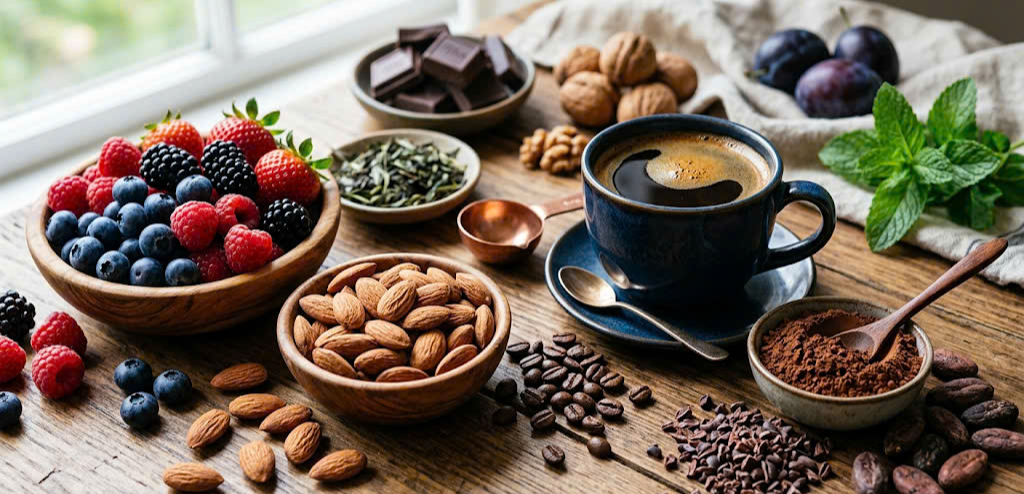
Many other whole foods contain antioxidants equivalent to or greater than those in green tea.
Berries, kale, cocoa, spices, seeds, nuts, and coffee can provide an equivalent or higher amount of antioxidants than green tea. The polyphenols and vitamins in these foods help protect cells, reduce inflammation, and lower disease risk. Diversifying polyphenol-rich foods not only reduces inflammation but also lowers all-cause mortality risk by up to 20% and cardiovascular mortality risk by 40%.
Health benefits of polyphenols
Polyphenols are mainly found in whole grains, fruits, vegetables, nuts, seeds, spices, and herbs. To date, scientists have discovered more than 8,000 types of polyphenols. Many polyphenols possess antioxidant properties. Antioxidants help prevent cell damage, inflammation, and diseases.
A 2023 study found that eating polyphenol-rich foods was associated with a 20% reduced risk of all-cause mortality. It was also linked to a 40% lower risk of cardiovascular disease mortality.
Anthocyanin-rich berries
Blue and purple fruits contain high amounts of anthocyanins and vitamin C. Just one cup of mixed berries can provide 26 mg of vitamin C (equivalent to 29% of the daily requirement).
Antioxidant capacity: Ranges from 2,100 to over 15,000 µmol/100 g.
Top group: Aronia berries, blackcurrants, blackberries, cranberries and blueberries, strawberries, red raspberries.
Kale is rich in antioxidants
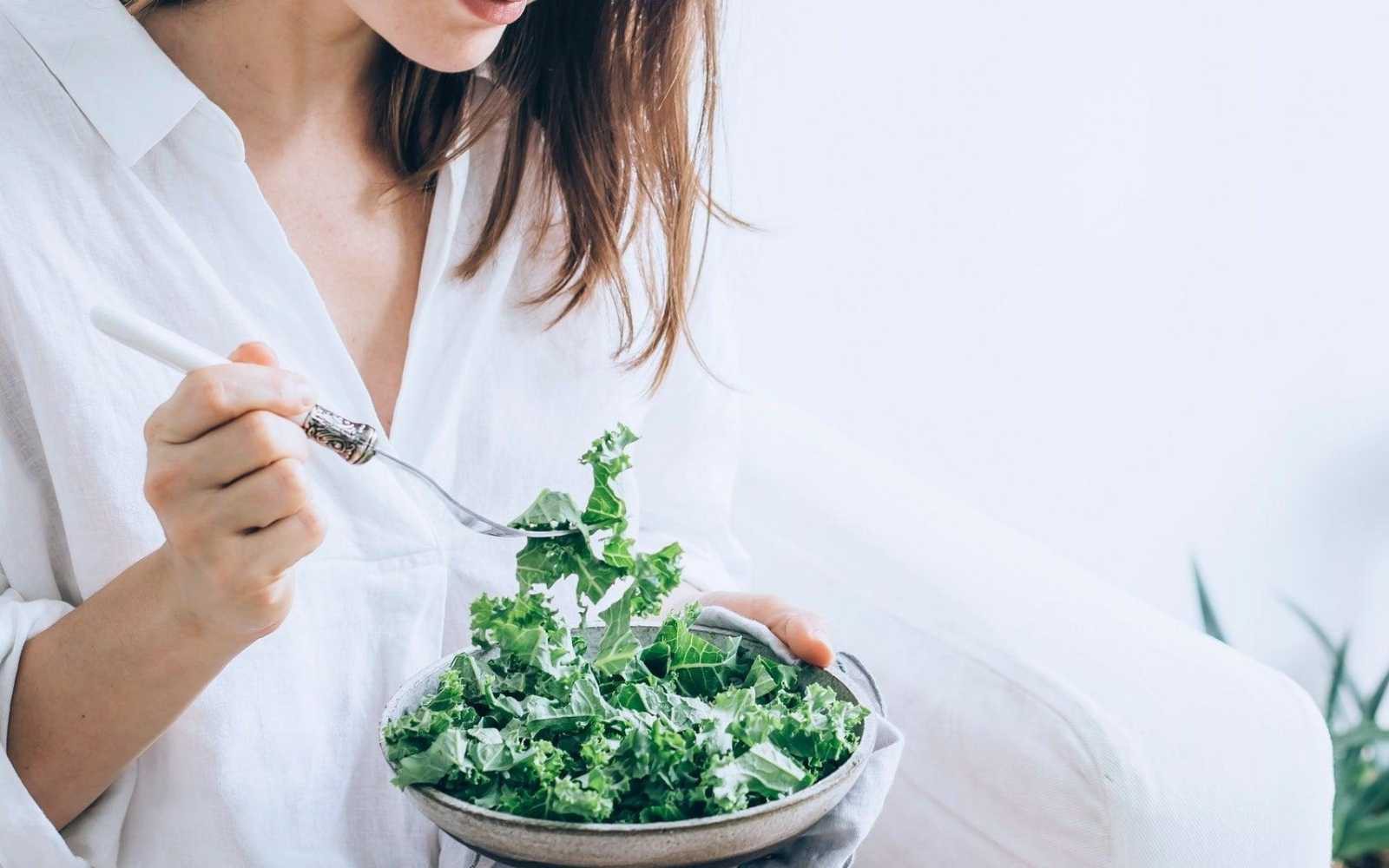
While vegetables contain an average of about 800 µmol of antioxidants per 100 g, kale reaches up to 2,800 µmol per 100 g. This vegetable is especially rich in vitamins A, C, and polyphenol compounds. In addition to kale, artichokes and bell peppers can also be added to enhance cellular protection.
Cocoa
Pure cocoa powder contains approximately 636 µmol of antioxidants per gram.
Benefit: Consuming 1g of polyphenol-rich cocoa daily helps reduce vascular inflammation and improve blood cholesterol levels.
Note: The higher the cocoa content in chocolate, the stronger its antioxidant properties.
Spices and herbs
Even when used in small amounts, spices are the richest natural source of polyphenols per gram of weight. A study of 425 spices showed that their antioxidant capacity is remarkably impressive, ranging from 440 to 2,770 µmol/g.
Cloves top the list for antioxidant capacity. Others include: mint, cinnamon, oregano, thyme, saffron, and rosemary...
Seed varieties
Seeds not only provide healthy fats but are also rich in vitamins A and E.
Antioxidant capacity ranking: Sunflower seeds (450 µmol/g) > flaxseeds (210 µmol/g) > sesame seeds (80 µmol/g). Sprouting seeds (such as chia seeds) can further increase their antioxidant capacity by 87–105% after 4 days.
Nuts
Eating about 60 g of almonds a day can increase the activity of antioxidant enzymes in the blood, helping protect cells from damage.
Typical content: Walnuts (219 µmol/g), pecans (85 µmol/g), chestnuts (57 µmol/g).
Precious minerals: Brazil nuts are an exceptionally rich source of selenium, while almonds and hazelnuts are packed with vitamin E.
Coffee
Each gram of ground coffee contains 75 - 172 µmol of antioxidants. However, this content varies depending on the brewing method:
Aeropress-brewed coffee contains the highest amount of antioxidants, followed by drip coffee, manual pour-over, Espresso, and finally French press.
In fact, it is very difficult to determine an absolutely accurate number because the amount of this substance depends on farming, storage, and processing practices. In addition, different testing methods can yield varying results on the same food item.
How to effectively add it to your diet
To optimize your antioxidant intake, follow these guidelines:
Variety of colors: Each type of food contains different types of polyphenols. Eat a diverse "rainbow" of foods, from whole grains to fruits and vegetables.
Utilizing spices: Add turmeric to lattes, cinnamon to oatmeal, or ginger to stir-fries.
Prioritize whole foods: Limit processed foods because refining strips away most of the valuable antioxidants.
Smart drink choices: Consume tea, coffee, and cocoa in moderation to avoid side effects from caffeine.
Combining a diverse range of the food sources above creates a powerful antioxidant network, helping the body fight inflammation and cellular aging more effectively than any single "superfood."