
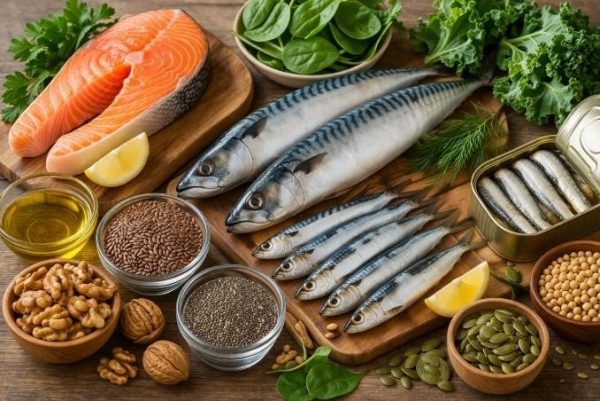
Foods to add after age 60 to support brain health
As we age, some changes in memory, concentration, and information processing speed may occur. This is a natural part of the aging process, but many lifestyle factors, including diet, can contribute to maintaining brain health.
No single food or nutrient can completely prevent age-related cognitive decline. However, a diverse, balanced diet rich in vegetables, fruits, fish, nuts, whole grains, and unsaturated fats can support overall and cardiovascular health, thereby benefiting the brain.
Below are some noteworthy nutrient-dense foods for people over 60.
Omega-3 rich fatty fish
Salmon, mackerel, sardines, herring, and anchovies are rich sources of omega-3 fatty acids, especially DHA and EPA.
DHA is an essential component of the brain and plays a key role in the structure and function of nerve cells. Omega-3 is also of interest in research on cardiovascular and brain health.
Several observational studies suggest that a diet high in fish is associated with better cognitive health and a lower risk of certain neurodegenerative diseases. However, this does not mean that eating fish can prevent or treat Alzheimer's disease.
Older adults can prioritize fish over some protein sources high in saturated fat to help achieve a more balanced diet.
Eggs provide choline for the brain
Eggs are a high-quality protein source and provide many essential nutrients, including choline.
Choline is essential for the production of acetylcholine—a neurotransmitter involved in memory, learning, and various nervous system functions.
Egg yolk contains most of the egg's choline. Therefore, unless there are specific health reasons to restrict egg yolks, eating the whole egg helps maximize nutrient intake.
However, the amount of eggs in one's diet needs to be balanced with the overall dietary intake, especially for individuals who need to manage cholesterol or have metabolic disorders.
Dark green leafy vegetables supplement vitamin K and numerous nutrients
Spinach, kale, mustard greens, bok choy, and many other leafy greens provide vitamin K, folate, beta-carotene, vitamin E, and various plant compounds.
Some studies in older adults show that regular consumption of green leafy vegetables is associated with a slower rate of cognitive decline. However, it cannot yet be confirmed whether an individual nutrient in green vegetables is the direct cause of this benefit.
Green leafy vegetables are also rich in fiber and nutrient-dense, yet relatively low in calories. Therefore, this food group should regularly appear in the diet of people over 60.
Cruciferous vegetables provide abundant plant compounds
Broccoli, cauliflower, cabbage, Brussels sprouts, and other cruciferous vegetables contain vitamins, fiber, and various plant compounds.
Some studies suggest that people who consume a diet rich in vegetables, including cruciferous vegetables, may have better cognitive function. Scientists believe that multiple factors may be involved, from antioxidants and dietary fiber to the diet's impact on the gut microbiome.
However, most current evidence only shows an association between diet and cognitive health, which is insufficient to conclude that any specific vegetable can prevent cognitive decline.
To make the most of nutritional benefits, rotate a variety of vegetables rather than focusing on just one food group.
Pistachios provide flavonoids and beneficial fats
Pistachios provide plant-based protein, fiber, unsaturated fats, along with many minerals such as magnesium, copper, and manganese.
These seeds also contain plant compounds, including flavonoids. This group of compounds has been extensively studied for its antioxidant properties and numerous potential health benefits.
Nuts and seeds in general are often incorporated into dietary patterns beneficial for cardiovascular and metabolic health. Because vascular health is closely linked to brain health, adding an appropriate amount of nuts and seeds can be a good choice in a balanced diet.
Prioritize nuts and seeds without added salt or sugar to limit sodium and extra calories.
Blueberries rich in anthocyanins
Blueberries are rich in anthocyanins—the plant pigments responsible for their distinctive purplish-blue color. These compounds have garnered attention for their antioxidant properties and their ability to influence several processes related to brain health.
Some observational studies show that people who regularly eat berries may have better cognitive health. Several trials have also recorded positive changes in certain cognitive markers when older adults consume blueberry products.
However, studies vary in scale and design; therefore, it cannot yet be definitively confirmed that blueberries can prevent dementia or neurodegenerative diseases.
Fresh or unsweetened frozen blueberries can be enjoyed as a snack, paired with plain yogurt or oatmeal.
The overall diet is more important than any single food
After age 60, maintaining brain health relies not just on a few foods. More importantly, it requires building a diverse diet that provides enough protein, fiber, vitamins, minerals, and healthy fats.
Increase green leafy vegetables, fruits, fish, legumes, nuts, and whole grains; concurrently limit foods high in salt, added sugars, saturated fats, and ultra-processed foods.
Along with nutrition, regular physical activity, adequate sleep, staying socially connected, and managing cardiovascular risk factors are all vital components of a healthy lifestyle in older age.
If worsening forgetfulness occurs, affecting daily activities, or if there are noticeable changes in thinking ability and behavior, elderly individuals should be examined to identify the cause rather than solely relying on dietary changes.