
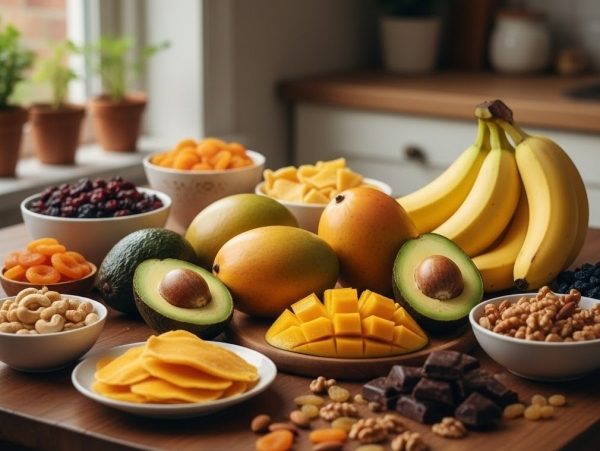
High-calorie fruits that easily cause weight gain
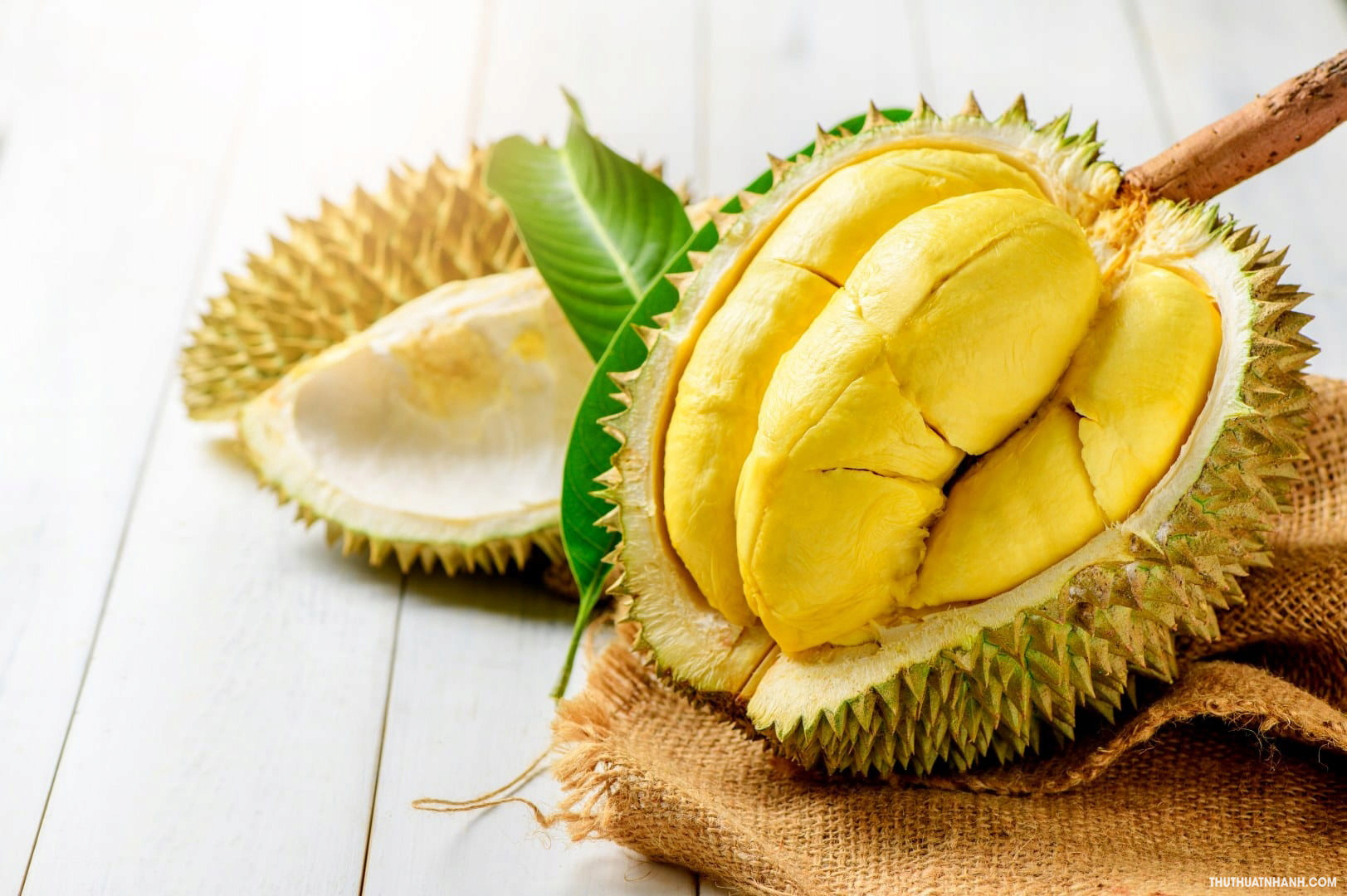
Durian is rich in calories, fat, sugar... making it a fruit that can cause rapid weight gain.
Identifying calorie-dense fruits that easily cause weight gain will help you adjust how you eat them, so that fruits truly remain an ally rather than an enemy to your physique.
Durian
Durian is known as the king of tropical fruits with its distinctive rich aroma and creamy taste. But accompanied by that appeal is a huge amount of energy that few fruits can match.
In 100 g of durian flesh, there can be 145 - 180 calories. A medium-sized durian segment usually weighs about 200 g - 300 g, meaning that eating just one segment provides about 300 - 500 calories—a portion equivalent to a main meal or two full bowls of white rice.
Furthermore, durian is rich in fat, fructose, and glucose. Excessive consumption of durian not only leads to rapid weight gain but can also cause internal heat and breakouts.
Longans and lychees
Longan and lychee are two typical summer fruits, but they are often available in dried form during Tet. Being sweet, aromatic, and easy to eat, they can easily lead to mindless overeating.
About 8 - 10 lychees or longans provide an amount of calories equivalent to a bowl of rice. The biggest issue with these two fruits is their high sugar content combined with very little fiber compared to other fruits. Eating longans or lychees causes blood sugar to spike, stimulating the body to secrete insulin and accelerating the accumulation of excess fat, especially in the abdominal area.
Ripe mango
Mangoes are a favorite fruit for many, but if your goal is weight loss, you need to be especially cautious with ripe mangoes.
A medium ripe mango contains about 150 - 200 calories. The sweeter the ripe mango, the higher the sugar content. If you are on a weight-loss journey, temporarily say goodbye to plates of fragrant golden ripe mangoes and replace them with slices of green mango, which are richer in fiber and significantly lower in sugar.
Avocado
This fruit sparks the most debate when incorporated into balanced diets. Avocado is a superfood rich in monounsaturated fats that are good for heart health and glowing skin. However, this high fat content also makes avocado calorie-dense.
100 g of ripe avocado provides about 160 calories. A typical avocado can contain up to 300 - 400 calories. If you add avocado to a salad while still eating other protein dishes as usual, the total calorie intake of the meal will increase significantly.
To keep avocados from becoming an enemy of weight management, eat only about ¼ of an avocado per day and use it to completely replace other sources of fat, such as cooking oils, animal fats or margarine, in your meals.
Ripe bananas
Bananas are a great food for athletes who need instant energy. However, for sedentary individuals looking to lose weight, ripe bananas can be a drawback.
A medium-sized banana contains around 100 - 120 calories. If you are in the habit of eating 2 to 3 bananas a day as a snack, you have unintentionally added an amount of calories equivalent to a full main meal. For effective weight loss, limit yourself to just one banana per day, preferably in the morning or before working out.

High-calorie fruits.
Dried fruits
Fruit jams, raisins, dried bananas, dried jackfruit, or dried dates... are the most dangerous enemies of body weight.
When fruit is dried, moisture is completely removed, concentrating its sugar and calorie content. For example, 100 g of fresh grapes contains only about 70 calories, whereas 100 g of raisins packs up to 300 calories. Moreover, many dried fruits have added sugar to enhance flavor and shelf life. Snacking on dried fruit can easily lead to consuming thousands of calories a day without ever feeling full.
Smart fruit consumption habits for weight loss
To make fruit a real help in getting back in shape after Tết, keep these simple but effective principles in mind.
- When to eat fruit: Fruit should be eaten about 30 minutes before meals or enjoyed as a mid-morning or mid-afternoon snack. Avoid eating fruit right after main meals or late in the evening before bedtime, as excess sugar at this time will not be burned off and will be directly converted into fat.
- Eat whole fruits instead of drinking juice: Eating whole fruits allows you to consume all their dietary fiber, which slows sugar absorption. In contrast, a single glass of juice usually requires 3 to 4 fruits, meaning you take in a concentrated amount of sugar without the protective benefit of fiber.
- Prioritize fruits with high water content and low sugar: Befriend grapefruits, oranges, dragon fruits, green apples, or guavas. These are fruits with a low glycemic index, high water content, and fiber that keep you full longer and effectively support burning excess fat. In particular, grapefruit contains enzymes that break down fat very well.