
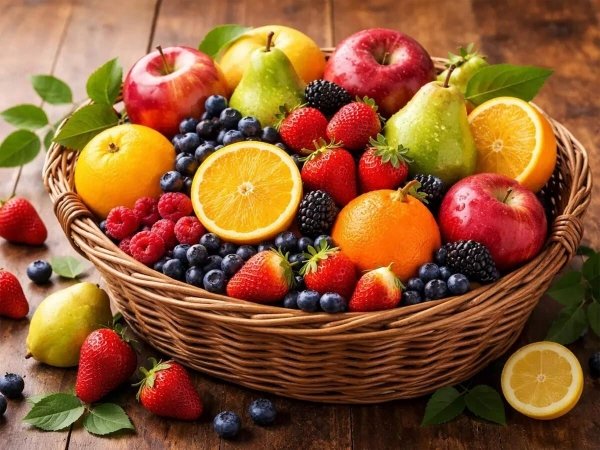
Low-GI fruits that support blood sugar control
Fruits contain natural sugars but also provide fiber, vitamins, minerals, and many beneficial plant compounds. Therefore, people with diabetes do not necessarily have to eliminate fruits from their diet.
According to the American Diabetes Association (ADA), when choosing fruit, patients should pay attention to the type of fruit, portion size, and the total amount of carbohydrates in the meal.
A commonly used metric is the glycemic index (GI). Foods with a GI of 55 or below are classified as low-GI, generally causing a slower rise in blood glucose compared to high-GI foods. However, GI does not indicate the total amount of carbohydrates in a serving, so it should not be the sole basis for determining how much fruit to consume.
Pear
Pears are among the low-GI fruits, with an index of about 38 according to data cited from the National Institute of Nutrition.
This fruit is rich in water and fiber, contributing to a sense of satiety. The natural sweetness of pears does not mean your blood sugar will spike rapidly. The key factor is still portion control.
A small pear can be eaten as a fruit portion for a snack. Those who need to strictly monitor their carbohydrate intake can adjust their portion size to fit their total daily carbohydrate allowance.
Apples
Apples have a GI of around 39 and provide fiber along with various plant compounds. Part of the apple's fiber is in the skin, so whenever appropriate, it is best to eat the whole fruit rather than juicing it.
According to the ADA's portion calculation, a small apple can contain about 15 g of carbohydrates, equivalent to one fruit serving.
Instead of choosing pastries or sugary snacks, a small apple can be a better option in a carbohydrate-controlled diet.
Orange
Oranges have a GI of around 40, belonging to the low-GI fruit group. Oranges also provide vitamin C, fiber, and various micronutrients.
For people needing to manage blood sugar, how fruit is eaten is just as important as the type of fruit. Eating whole orange segments helps control portions better than drinking a large amount of orange juice.
Prioritize fresh oranges without added sugar or honey. Eating the whole fruit also helps retain the natural fiber found in orange segments.
Grapefruit
Grapefruit has a GI of around 25, belonging to the group of low-glycemic fruits. Grapefruit is high in water, low in calories, and provides vitamin C.
In appropriate portions, pomelo can be included in the diet of people who need to manage their blood sugar levels.
However, grapefruit and grapefruit juice can interact with certain medications. People taking medications should check interaction information or consult a doctor or pharmacist before eating grapefruit in large quantities or consuming it regularly.
Strawberry
Strawberries have a GI of around 40 and a relatively low carbohydrate content compared to many other fruits.
About 150 g of strawberries provides about 5.8 g of carbohydrates and 3.8 g of fiber. This is an important consideration for individuals needing to manage their dietary carbohydrate intake.
Strawberries can be eaten fresh or paired with unsweetened yogurt. Conversely, strawberry jam, strawberry syrup, and high-sugar desserts have a significantly different nutritional profile compared to fresh strawberries.
Low GI, but portion sizes still matter
GI is a useful tool when choosing carbohydrate-containing foods, but it should not be considered the sole criterion.
A fruit with a low GI can still provide a significant amount of carbohydrates if consumed in large portions. According to the ADA, one serving of fruit typically provides about 15 g of carbohydrates. A small apple or orange can equal one serving, while a serving of fresh berries is usually about 3/4 to 1 cup, depending on the type.
Therefore, fruit needs to be counted toward the total carbohydrate intake of a meal, rather than eaten as an addition to an already carb-heavy meal.
Choose whole fruit
A meta-analysis of 5 randomized trials involving 245 people with type 2 diabetes, published in 2026, noted that whole fruit consumption was associated with lower HbA1c and fasting blood glucose levels. However, the number of trials and participants was limited, so further research is needed to substantiate the findings.
Overall, people who need to manage their blood sugar do not necessarily have to avoid fruit because of its natural sweetness. They can alternate fruits like pears, apples, oranges, grapefruits, and strawberries, prioritizing fresh, whole fruits and controlling portion sizes.
At the same time, limit fruit juices, dried fruits, jams, syrups and fruit products with added sugar. Most importantly, balance the carbohydrates from fruit with your total daily food intake.