
Fiber-rich autumn produce worth adding to your menu
Fiber is abundant in vegetables, fruits, legumes, whole grains, and root vegetables. According to the National Institute of Nutrition, adults should consume at least 400 g of vegetables and fruits daily.
The U.S. National Institute of Diabetes and Digestive and Kidney Diseases (NIDDK) states that adults need about 22-34 g of fiber per day, depending on age and gender. When increasing fiber intake, do so gradually and drink plenty of water to prevent gas and bloating.
Beetroot
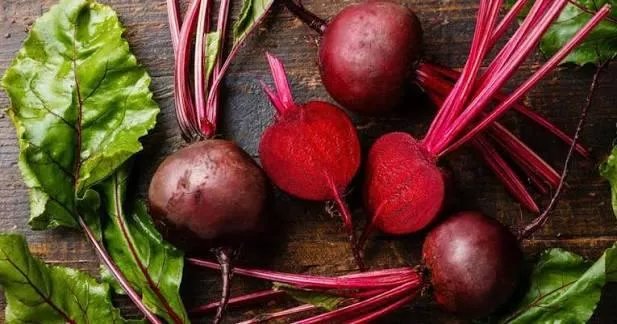
Beetroot is an easy addition to the daily diet thanks to its fiber content and abundant plant compounds. One cup of beetroot (about 135 g) provides nearly 4 g of fiber.
This root vegetable also contains natural nitrates and betalains, the group of pigments that give it its distinctive reddish-purple color. Beetroot can be steamed, boiled, roasted, or grated raw into salads.
For a more balanced meal, combine beetroot with green vegetables, whole grains, nuts and seeds, and suitable protein sources.
Cabbage
Cabbage is familiar, easy to buy, and can be cooked into a variety of dishes. About 100 g of raw green cabbage provides roughly 2.5 g of fiber, along with vitamin C and vitamin K.
This vegetable can be eaten raw, boiled, steamed, stir-fried, or cooked in soups. When preparing it, control the amount of salt and cooking oil, especially for stir-fries or heavily dressed salads.
In addition to green cabbage, red cabbage can also be used alternately. Varying vegetables with diverse colors helps enrich the diet with a wider range of plant compounds.

Cauliflower
About 100 g of raw cauliflower provides about 2 g of fiber, along with vitamin C and folate. This vegetable is also easy to combine with meat, fish, eggs, beans, and many other foods.
Cauliflower can be steamed, boiled, stir-fried, or roasted. Steaming or cooking it just until tender-crisp usually helps the vegetable retain its crunch while limiting the need for excessive oil.
Changing cooking methods and pairing with different protein sources can keep cauliflower dishes from being monotonous.
Pumpkin
Pumpkin is commonly featured in soups, broths, steamed dishes, or purées. One cup of pumpkin can provide around 7 g of fiber and contains beta-carotene, a carotenoid that the body can convert into vitamin A.
The characteristic yellow-orange color of pumpkin also comes from carotenoids. When cooking, families can combine pumpkin with other ingredients to create a varied meal rather than serving it merely as a side dish.
When buying canned pumpkin, read the label carefully to distinguish pure pumpkin puree from pie fillings, which may contain added sugars.
Sweet potato
Sweet potatoes provide both dietary fiber and familiar carbohydrates. A medium sweet potato can provide about 4 g of fiber, along with vitamin A and vitamin C. Orange-fleshed varieties typically contain higher levels of beta-carotene.
Sweet potatoes can be boiled, steamed, or roasted. If eating the skin, wash thoroughly before preparation.
This food can also be used to partially replace familiar carbohydrate sources, then combined with green vegetables, legumes, and protein sources for a more balanced meal.
It is not necessary to eat all 5 of these fruits and root vegetables in a single day. A more practical approach is to rotate various seasonal vegetables, while incorporating fruits, legumes, whole grains, and nuts.
If your previous diet was low in fiber, do not increase the intake too quickly, as the body may not have adapted yet, leading to bloating or digestive discomfort. Drinking enough water is also especially important when increasing fiber intake.
For yellow and orange vegetables and roots such as pumpkin and sweet potatoes, a moderate amount of fat in the meal can aid the absorption of certain fat-soluble carotenoids.
Overall, no single vegetable needs to be given absolute priority. Maintaining varied portions, rotating different foods, and choosing appropriate cooking methods is the simple way to add fiber, vitamins, minerals, and plant compounds to your daily diet.