
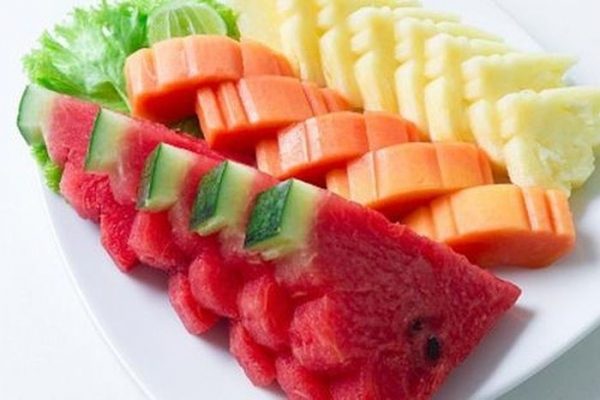
Fruits that should not be eaten with watermelon
When pairing watermelon with bananas, the difference in digestion rates can overload the stomach.4 groups of fruits to limit eating with watermelon
Fruit group rich in starch: A typical example in this group is bananas. Bananas are rich in energy and complex starches, requiring a relatively long digestion time in the stomach. When combining watermelon with bananas, the difference in breakdown rates can overload the stomach. Watermelon moves through the stomach very quickly, but bananas hold it back longer than necessary, leading to the fermentation of sugars in the watermelon and causing gas and bloating.
Both fruits are very rich in potassium. For people with impaired kidney function, taking in a large amount of potassium at the same time from these two sources can put heavy pressure on the excretory system, even causing heart arrhythmias in some sensitive cases.
Group of sour and high-acid fruits: For example, oranges, tangerines, pomelos... Watermelon has a subtly sweet taste and becomes mildly alkaline after metabolizing, whereas citrus fruits contain high levels of citric acid.
Combining acid with a fruit high in sugar and easily fermented like watermelon disrupts the sugar digestion process. Citrus acid can coagulate certain digestive enzymes required for watermelon. This not only reduces vitamin C absorption but can also easily cause heartburn, epigastric burning sensations, and acid reflux.
Group of fat-rich fruits: In this group, avocados are a typical example, rich in healthy fats and protein, requiring substantial amounts of lipase enzymes and a longer processing time.
Watermelon tends to dilute gastric juices due to its high water content. If avocado is eaten at the same time as watermelon, the diluted stomach acid will not be concentrated enough to break down the complex fat molecules in the avocado.
Fat that is not digested in a timely manner will stagnate, causing bloating and indigestion, leaving the body entirely unable to absorb the valuable nutrients from both fruits.
Group of fruits rich in proteolytic enzymes: Papaya and pineapple are representative fruits of this group. Although pineapple and watermelon are often combined in refreshing drink recipes, you should pay special attention to the proportions and your health status.
Potent enzymes such as bromelain in pineapples or papain in papayas, when combined with the abundant natural sugars in watermelon, can trigger a rapid chemical reaction right in the stomach.
This interaction easily irritates the stomach lining, causing nausea or a dull abdominal ache, especially for those with a history of gastric ulcers or a sensitive digestive system.
Signs of improper food combinations
If mistakenly combined incorrectly, the body will send warning signs that you should pay attention to:
- Abdominal bloating, flatulence: Feeling bloated, tight, and uncomfortable right after eating even though the amount of food consumed was not large.
- Dull abdominal pain: The fermentation of fruit in the stomach produces excess acid and gas.
- Mild diarrhea: This is especially likely to happen when fruits with cooling properties are eaten together or paired with cold foods, causing a sudden drop in intestinal temperature.
- Nausea and fatigue: Due to disrupted gastric juices and the strain of processing toxins from unwanted fermentation.
How to eat watermelon safely and get full nutrients
To protect your health and fully enjoy the refreshing sweetness of watermelon, keep the following points in mind:
- The best way is to enjoy watermelon on its own. Treat it as an independent snack rather than a dessert immediately following a main meal or mixed with other fruits.
- If you want to eat other fruits, wait at least 30 minutes after eating watermelon for your stomach to complete digesting this juicy fruit.
- Every body has a different tolerance threshold. If you have a healthy digestive system, mixing a little pineapple with watermelon can be delicious; but if you are tired or have a sensitive stomach, stick to pure watermelon.
- Drinking watermelon juice immediately after consuming fried foods is a common mistake. The high water content in watermelon dilutes lipid-digesting enzymes, making fats harder to break down, which leads to severe indigestion and fat accumulation.