

The best whole grain to eat to prevent heart disease
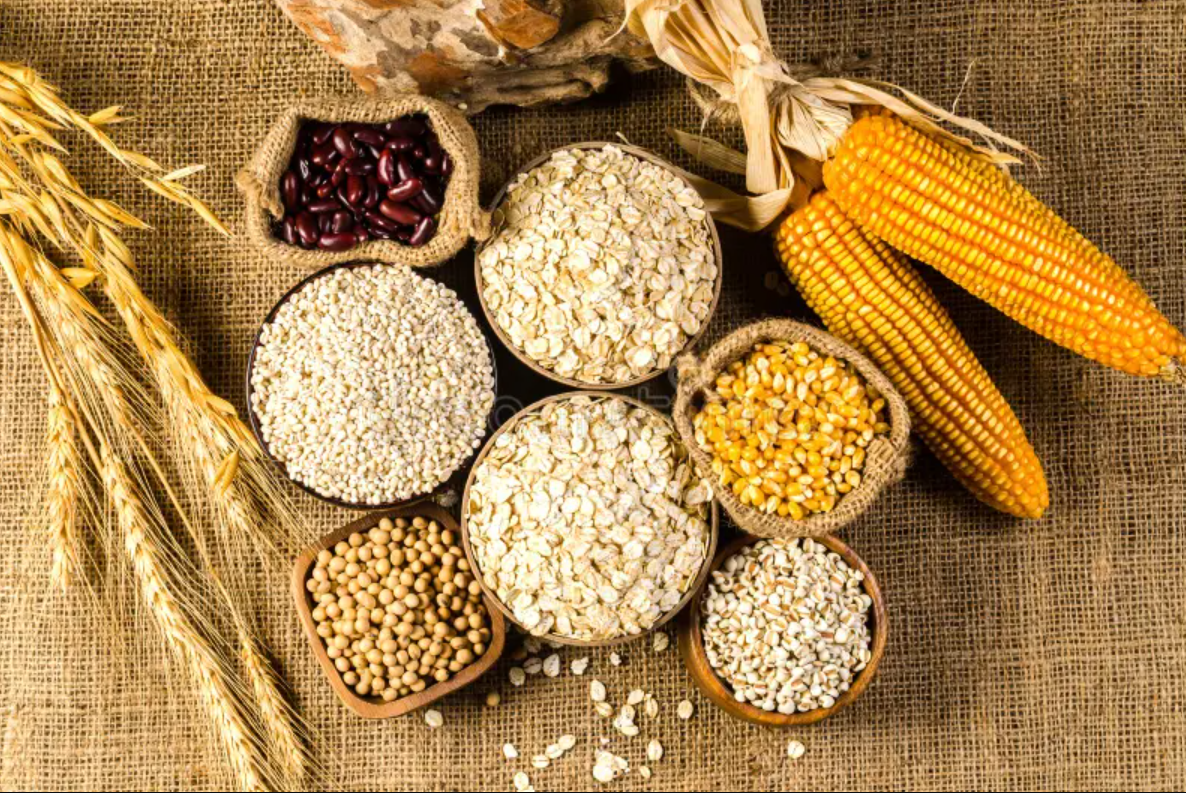
Whole grains are rich in fiber, vitamins, minerals, and bioactive compounds beneficial for heart health.
1. Why whole grains are better for the heart than refined grains
Diet is closely linked to the risk of cardiovascular disease morbidity and mortality. As cardiovascular diseases remain the leading cause of death worldwide, the American Heart Association (AHA) has issued important updates to its dietary guidelines to improve cardiovascular health. Among these, the advice to choose foods made primarily of whole grains rather than refined grains is a key point.
Whole grains are grains that contain all components: the starchy endosperm, the germ inside, the outer bran, and provide fiber, vitamins, minerals, and other bioactive compounds. This is precisely the factor that sets them apart metabolically from refined grains such as conventional white flour or white rice.
According to the AHA, a substantial body of observational evidence from large cohort studies shows that regular consumption of whole-grain foods compared to infrequent consumption is associated with a lower risk of cardiovascular disease, coronary heart disease, stroke, type 2 diabetes, and metabolic syndrome, as well as more favorable cardiovascular risk factors including blood pressure, blood lipids, and glycemic control.
Randomized controlled feeding trials have demonstrated that replacing refined grains with whole grains leads to improvements in cardiovascular risk factors. In addition, diets rich in dietary fiber and whole grains are associated with favorable modulation of the gut microbiota, laxation, and reduced inflammatory cytokines.
2. Some whole grains to eat to protect cardiovascular health
Oats
Oats are ranked among the top heart-healthy grains thanks to their high content of a special soluble fiber called beta-glucan.
Beta-glucan forms a gel-like layer in the intestines that regulates fluid absorption from the digestive tract, nourishes beneficial gut bacteria, and slows down digestion, allowing carbohydrates to be absorbed more slowly and resulting in more stable blood sugar levels.
Beta-glucan blocks the absorption of cholesterol from food, lowers bad cholesterol levels, and helps prevent the formation of atherosclerotic plaques in the arteries.
Studies have found that oat beta-glucan can lower blood lipids (lipids and lipoproteins), reducing total blood cholesterol and bad cholesterol, thereby helping to lower the risk of heart disease in individuals with mildly elevated cholesterol levels.
Barley
Similar to oats, barley is a rich source of soluble fiber. Studies show that regular consumption of barley helps reduce both total cholesterol and "bad" LDL cholesterol. It also supports weight management and reduces the risk of metabolic syndrome—factors that contribute to heart disease and stroke.
Barley contains two essential minerals for blood pressure regulation—magnesium and potassium—which help reduce pressure on blood vessel walls and prevent the risk of hypertension and stroke.
Quinoa seeds
Quinoa seeds are rich in antioxidants with anti-inflammatory effects. Chronic inflammation is a silent enemy of blood vessels. By reducing inflammation, eating quinoa helps lower bad cholesterol levels in the blood, protects vessel walls from damage, and thereby reduces the risk of atherosclerosis and stroke.
Quinoa seeds also contain a significant amount of ALA fatty acids. This is a plant-based source of omega-3 that helps reduce inflammation in blood vessels, preventing the formation of clogging plaques.

Eating quinoa helps lower bad cholesterol levels and reduces the risk of atherosclerosis.
Brown rice
Unlike white rice, which has been milled to remove the bran layer containing fiber, vitamins, and minerals, brown rice retains its whole outer layer rich in nutrients, including manganese, magnesium, selenium, copper, phosphorus, collagen, and several B vitamins.
The magnesium source in brown rice helps maintain a steady heart rate and relax blood vessels, thereby supporting effective blood pressure control. In addition, consuming brown rice provides the body with ample dietary fiber to stabilize blood sugar and reduce strain on the cardiovascular system.