
The fish that is an "Omega-3 powerhouse" to add to daily meals
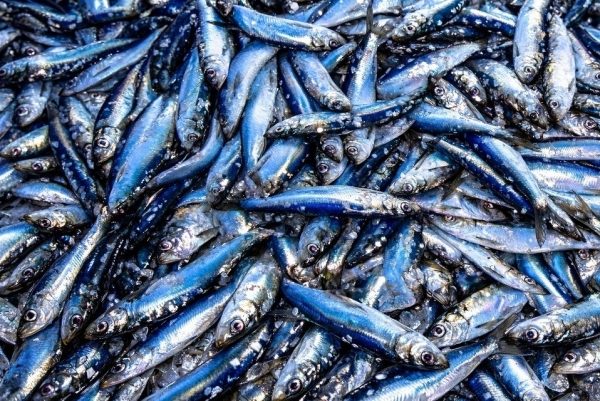
Despite their small size, herrings are packed with nutrients that are good for health. Photo: NOAA.Fish is a healthy food that adds valuable vitamins, minerals, and fats to the diet, while serving as a high-quality protein alternative to red meat and poultry.
The UK's National Health Service (NHS) recommends eating at least two portions of fish a week, including one portion of oily fish. These fish contain omega-3 fatty acids, which are essential for heart and brain health, as well as mood regulation.
Sardines
According to the magazine Health, despite their small size, sardines are packed with high amounts of nutrients beneficial for heart and brain health.
"Small and low on the food chain, sardines accumulate very little mercury, yet are extraordinarily rich in EPA and DHA, vitamin D, B12, calcium, and selenium," Amanda Kahn, a board-certified internist and longevity specialist, shared with Health.
In addition, sardines are an excellent, wild-caught, and affordable source of omega-3 fatty acids. This fish provides 2 grams of heart-healthy omega-3 fatty acids per serving of about 85 g. This is one of the highest omega-3 and lowest mercury contents among all fish.
Sardines are a fatty fish rich in vitamins, delivering even more nutrition when eaten with both skin and bones. Sardines are also an abundant source of calcium and vitamin D, thus supporting bone health and immune function. They are also a safe choice for pregnant and breastfeeding women.
Sardines are a rustic, healthy dish, and you can even eat the bones. Photo: Shutterstock.Herring
According to American dietitian Julia Zumpano from Cleveland Clinic, herring is a small, oily fish, somewhat similar to sardines. Being a rich source of vitamin D and zinc, herring has a delicate flavor and tender meat. Fatty fish like herring provide about 1.5 grams of omega-3 fatty acids per 85g serving.
Herring also contains more omega-3 fatty acids than salmon or tuna, which are vital for human health because our bodies cannot synthesize these fats on their own.
An 85 g serving of herring also contains 11.1 micrograms of vitamin B12, meeting more than 400% of daily needs. Vitamin B12 is essential for nerve function and the production of neurotransmitters, including serotonin and dopamine, which influence mood regulation.
Adding herring to your daily diet helps maintain healthy red blood cells. The protein in herring is a rich source of amino acids, which are essential for the body's hemoglobin production.
Herring is also lower in mercury than other omega-3-rich fish you might be eating, such as tuna, king mackerel, swordfish, and halibut.
Mackerel
According to BBC Good Food, mackerel is very rich in healthy fats, protein, and selenium, which are vital for a healthy immune system and proper thyroid function. Atlantic mackerel and Alaska Atka mackerel boast high levels of anti-inflammatory omega-3 fatty acids and low mercury levels.
However, not all types of mackerel are highly regarded. King mackerel, from the Western Atlantic and the Gulf of Mexico, is high in mercury. Zumpano also recommends limiting Spanish mackerel intake due to mercury concerns.
Anchovies
Anchovies can help boost omega-3 and other nutrient levels, thereby lowering the risk of heart and brain diseases. Anchovies also contain a significant amount of calcium, which is vital for cardiovascular health. An 85-gram serving of anchovies provides 15% of an individual's daily calcium requirement.
This fish is also rich in iron, which is essential for oxygen transport, energy production, and the creation of neurotransmitters, making it crucial for a healthy brain.
Anchovies are packed with nutrients and flavor while carrying low levels of contaminants or mercury, making them well-suited for regular use in salads or sauces.