
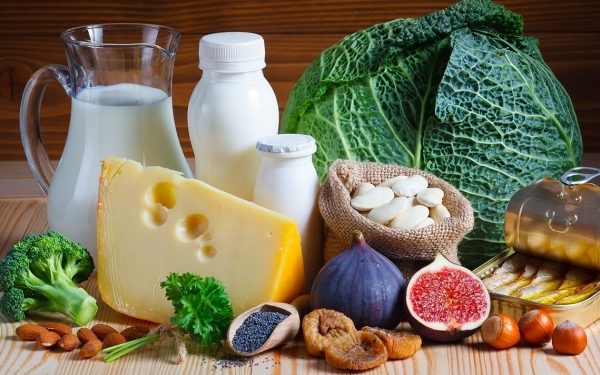
Foods that provide sufficient calcium without supplements

Fresh cheese provides plenty of calcium and phosphorus to help keep bones strong.
1. Fresh cow's milk (contains 325 mg of calcium per cup)
Cow's milk is a leading source of calcium; in addition, it also provides complete protein, fats, vitamins, and minerals essential for the body.
Calcium in cow's milk is typically easier to absorb than calcium from many plant sources. This is because it contains lactose (milk sugar) and casein (milk protein), which enhance calcium absorption. In addition, many dairy products are fortified with vitamin D, an essential vitamin that helps the body absorb calcium effectively.
2. Tofu (861 mg calcium per 126 g)
According to the United States Department of Agriculture, an 81 g serving of firm tofu contains 14 g of protein, 7 g of fat, 2.3 g of carbohydrates, 1.9 g of fiber, and 11 mg of sodium. This serving of tofu provides 117 calories.
Tofu is a rich source of calcium as well as protein containing all the essential amino acids the body needs. The protein and fiber in tofu help stabilize blood sugar levels, lower harmful cholesterol, and improve heart health.
3. Fresh cheese (227 mg calcium in a 220 g cup)
Made from milk, fresh cheese provides abundant calcium and phosphorus, both of which are essential for maintaining strong bones. In addition, the protein in fresh cheese contributes to increasing bone density and reducing the risk of fractures.
4. Whey protein (95 mg calcium per 28 g)
Whey protein is a composite ingredient derived from milk. According to the United States Department of Agriculture, a standard scoop of whey protein (28 g) contains approximately 95 mg of calcium. The components of whey protein also provide high levels of essential amino acids.
5. Plain yogurt (173 mg calcium per cup))
Plain nonfat yogurt is very rich in calcium; eating just a 156 g cup of yogurt already meets up to 14% of the daily recommended calcium intake.
6. Canned sardines (351 mg calcium per can)
Sardines are a very good source of calcium. A standard can of sardines in oil (about 114 g) contains around 351 mg of calcium, accounting for roughly one-third of the recommended daily intake.
In addition to their calcium content, sardines are also rich in omega-3 fatty acids, protein, vitamin D, and selenium. Working together, these nutrients help support cardiovascular health and reduce inflammation.
7. Green leafy vegetables (327 mg of calcium in 135 g of cooked cabbage)
Green leafy vegetables like kale, cabbage, and bok choy are all good sources of calcium. Cabbage is one of the richest sources of calcium, providing 327 mg per cooked cup.
Although spinach has a high calcium content, the oxalates and phytates in spinach significantly reduce the body's ability to absorb calcium.
8. Legumes (161 mg of calcium in one 179 g cup of cooked white beans)
Legumes are rich in calcium, fiber, and protein, while providing other essential nutrients such as iron, zinc, potassium, magnesium, and antioxidants.
These nutrients support immune function, promote bone health, and reduce the risk of chronic diseases.

Almonds are the richest in calcium among nuts.
9. Almonds (75 mg of calcium per serving)
Almonds are the richest source of calcium among nuts. According to food calcium content data from the International Osteoporosis Foundation, a small serving (30 g) of almonds contains up to 75 mg of calcium.
Additionally, almonds are rich in magnesium, which pairs with calcium to support bone health. Almonds also provide minerals and antioxidants that help boost cardiovascular health.
10. Sesame seeds (87.8 mg of calcium in one serving)
Many types of small seeds are rich sources of calcium, including sesame seeds, chia seeds, sunflower seeds, and pumpkin seeds. Among these, sesame seeds stand out as the richest in calcium, providing 87.8 mg of calcium per 9 g serving.