

Food storage tips: 9 foods that should never be stored in the refrigerator
Onions should be stored in dry, well-ventilated placesMany people habitually put all newly bought groceries into the refrigerator to keep them longer. However, cold temperatures are not the ideal environment for all types of food. Below is a list of 9 foods you should keep at room temperature to preserve their nutritional value and freshness.
1. Onions
Onions are best stored in a cool, dry, dark, and well-ventilated place. The refrigerator environment easily makes onions soft and promotes sprouting. In addition, keeping onions separate helps prevent their pungent odor from spreading to other foods. If you only use half, you can freeze the rest in a zip-top bag or an airtight container.
2. Tomatoes
Cold temperatures make tomato cells less responsive, altering their structure and making them mealy and spongy. At the same time, the cold also strips away their characteristic flavor. You should keep tomatoes on the kitchen counter, away from direct sunlight. Note that cherry tomatoes are the only type that can stay fresh in the refrigerator without turning mushy too quickly.
Tomatoes do not need refrigeration and are best kept on the kitchen counter away from direct sunlight.3. Cucumbers
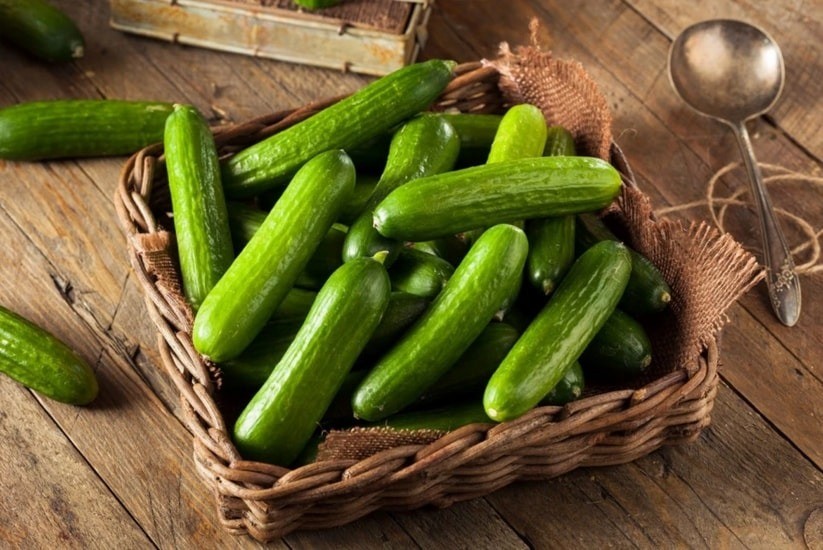
Storing cucumbers in the refrigerator for too long can easily cause "chilling injury", making them shriveled, mushy, and watery around the seeds. It is best to keep cucumbers at room temperature for about 2-3 days. If you prefer them chilled for salads, only wrap them loosely in a ziplock bag and place them in the fridge shortly before use.
4. Potatoes
In cold environments, the starch inside potatoes turns into sugar, making the tuber's texture gritty and giving it an unnatural sweet taste. In particular, do not store potatoes with onions, as this makes both spoil faster. Keep potatoes in a paper bag or basket in a dry place.
5. Basil
Basil is very sensitive to low temperatures, easily turning yellow or wilting if kept in the refrigerator. The best way to keep this herb fresh and green is to place the stems in a jar of water and set it on the kitchen counter like a bouquet of flowers.
6. Garlic
Like onions, garlic needs good ventilation. If stored in the refrigerator, garlic cloves easily become mushy and develop mold under their papery skins. Keep garlic in a cool, dry place and avoid using sealed plastic bags.
7. Bell peppers and hot peppers
Bell peppers will stop ripening and become less sweet if refrigerated too early. For the best flavor, store them on a kitchen shelf in a cool, clean, well-ventilated spot.
8. Tropical fruits
Bananas, kiwis, mangoes, and pineapples are fruits that do not tolerate the cold well. Low temperatures in the refrigerator will quickly degrade essential antioxidants like vitamin C, lycopene, and beta-carotene in melons. For bananas, wrap the stems with plastic wrap and keep them at room temperature to keep them fresh longer.
9. Hot foods
Never put freshly cooked or hot food directly into the refrigerator. Doing so raises the internal temperature of the fridge, consumes more electricity, and creates an environment for bacteria to multiply on surrounding food. You should let food cool completely to room temperature before refrigerating it.