
Secrets to preserving the crisp, sweet flavor of sweet corn
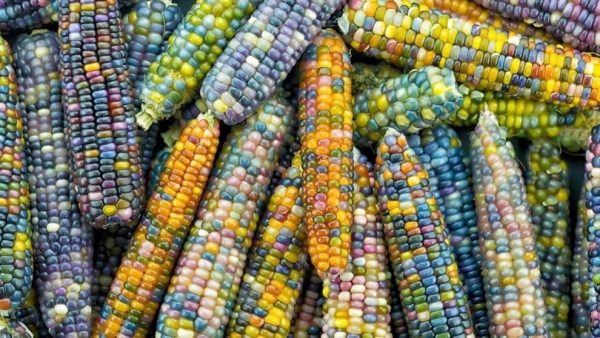
Illustrative image - Source: Internet.
Fruit corn, also known as sweet corn, with the scientific name Zea mays var. saccharata, possesses a remarkably high soluble sugar content alongside a low starch ratio. However, as soon as the ear is detached from the stalk, an intense biochemical metabolic process is triggered, turning precious sugar molecules into dry, hard starch. As a result, within just a single day at room temperature, an ear of corn can lose up to half of its natural sweetness.
A race against time right in the fields
The journey to preserving sweet corn flavor must begin right from the harvest moment, rather than waiting until it is placed in the refrigerator. The ideal time to pick sweet corn is the milk stage, around 18–22 days after pollination. At this time, the kernels are plump, juicy, and reach their peak sweetness. Taking advantage of cool temperatures at dawn or late afternoon, farmers should harvest corn to prevent heat accumulation in the cob, one of the main factors causing sweetness loss under the sun's heat.
Outer husks should not be completely stripped right in the field. Retaining about two to three layers of husks around the ear of corn minimizes moisture loss and protects the kernels from physical damage during transit. However, the critical factor lies in precooling within the first two hours. Rapidly bringing the core temperature down to 4°C using methods such as ice water immersion or vacuum cooling "locks in" enzyme activity. This timely intervention effectively halts the conversion of sugar into starch, safeguarding produce quality.
The art of storage in the home kitchen
For most consumers, the refrigerator compartment is the most popular choice. The first tip to keep in mind is to keep the corn in its "jacket" during storage. The natural husks retain over 40% more moisture compared to stripping the corn bare before chilling. Do not let the corn "suffocate" in plastic bags that trap condensation and cause rot. Instead, use micro-perforated PE bags or kraft paper bags, creating an ideal environment for gentle respiration even when kept in the fridge.
Few people realize that the orientation of corn cobs in the refrigerator determines their freshness after several days. Instead of laying them flat, standing corn cobs upright helps cells maintain the stability needed to extend shelf life. When the cold environment is strictly controlled at 0–4°C and humidity remains consistently high (above 90%), corn will retain its original sweet crispness for up to 7 days.
Freezing techniques for long-term preservation
For those who want to stock up on sweet corn for special occasions throughout the year, deep-freezing is the ideal solution. However, this process requires a little more care than ordinary refrigeration. First, remove the tough outer husks and corn silk, then briefly blanch the corn in boiling water for about 90 seconds. Add a little salt and a few drops of cooking oil to the water. Salt enhances the flavor, while the oil forms an ultra-thin protective coating that preserves the kernels' golden color. Immediately after blanching, plunge the corn cobs into an ice-water bath to stop the cooking completely and prevent residual heat in the cobs from overcooking the corn.
After drying the surface of the corn cobs with paper towels to prevent the formation of large ice crystals, each cob should be wrapped tightly in plastic wrap or vacuum-sealed. Removing air helps prevent freezer burn—the number one enemy that ruins the texture of corn kernels in the freezer. At temperatures below -18°C, all spoilage-causing chemical reactions are halted, helping preserve up to 85% of soluble sugars and vitamins for about 1 year. When ready to use, steaming frozen corn directly instead of thawing it naturally helps the kernels best regain their plumpness and original sweetness.