
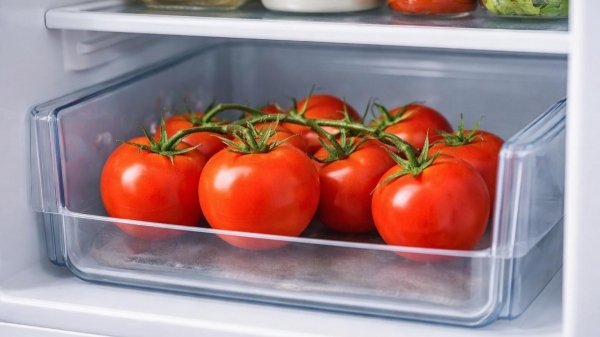
Fruits and vegetables that should not be frozen due to nutrient loss and waterlogging
Fruits and vegetables are essential sources of vitamins, minerals, and dietary fiber for the body, while enriching daily meals. Although freezing is a convenient preservation method that extends shelf life, not all produce is suitable for the freezer. Improper freezing can damage cell structures, causing food to become mushy, watery, and lose its natural crispness.
1. Lettuce and leafy green vegetables
Leafy greens such as lettuce, spinach, and collard greens are not suitable for freezing due to their high water content.
When temperatures drop below freezing, water within plant cells forms ice crystals. In particular, slow freezing forms large ice crystals that rupture cell membranes and break down plant tissue structure. After thawing, vegetables completely lose their crispness, becoming mushy, waterlogged, and prone to browning, making them no longer suitable for eating raw or in salads.
2. Cucumbers
Cucumbers are about 95% water, which is why they spoil easily when frozen.
During freezing, water expands and forms ice crystals that disrupt the internal tissue structure of the fruit. Upon thawing, water escapes, causing cucumbers to become soggy, spongy, devoid of crunchiness, and hardly able to retain their original quality.
3. Tomatoes
Tomatoes have a structure consisting of multiple locules filled with gel, seeds, and pectin-rich flesh tissue.
During freezing, ice crystals rupture cell membranes and internal cell walls. Upon thawing, the fruit juices leak out, leaving tomatoes deflated, mushy, lacking elasticity, and no longer suitable for slicing or salads. However, frozen tomatoes can still be used for sauces or stews.
4. Celery
Celery's distinctive crunch comes from its network of fiber bundles and the high water content in its stalks.
When frozen, ice crystals break down the structure of these fiber bundles. After thawing, celery becomes limp, watery, and completely loses its crunch, making it no longer suitable for eating raw or preparing in salads.
Tips to keep fruits and vegetables fresh and delicious
In many cases, fruits and vegetables are not intentionally frozen but still end up freezing because they are placed too close to the cold air vents in the refrigerator compartment. To minimize this situation, the following storage methods should be applied:
-
Adjusting temperature appropriately: Maintain the refrigerator compartment temperature around 4°C, avoiding setting it too low which causes fruits and vegetables to freeze.
-
Use designated crisper drawers: Store vegetables in a humidity-controlled crisper drawer to maintain freshness and minimize moisture loss.
-
Do not overstuff food: Organize food systematically to allow cold air to circulate evenly and avoid creating overly cold zones.
-
Buy just enough for your needs: Only buy enough vegetables and fruits for a few days' consumption and prioritize using perishable ones first to reduce waste.
Choosing the right preservation method not only helps fruits and vegetables retain their flavor, crispness, and nutritional value, but also reduces food waste in the household.