
Tips to save time and control oil and salt in daily meals
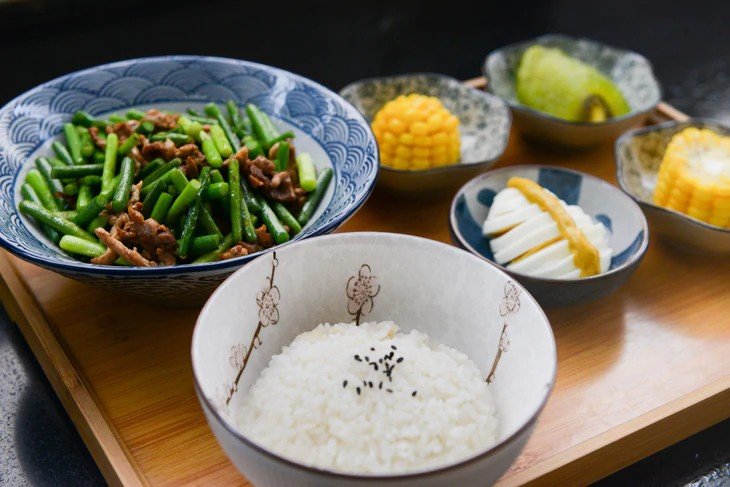
Maintaining balanced, low-fat, and low-salt meals is entirely feasible even for those with busy schedules, contributing to long-term health protection. Illustrative image source: Pexels.
After a tiring day at work, many people tend to order takeout instead of cooking. However, restaurant meals often contain more grease and salt than food prepared at home.
Over the long term, frequently eating out can make controlling sodium and fat intake in your diet more difficult. These are factors associated with the risk of hypertension, overweight, metabolic disorders, and many other chronic diseases.
Maintaining healthy meals at home does not necessarily have to take a lot of time. With a few simple arrangements, even people with busy schedules can proactively prepare balanced meals.
Prepare food in advance on weekends
Spending about 1-2 hours on the weekend prepping and precooking basic ingredients is a way to save significant time during workdays.
You can batch-cook brown rice or whole grains and stew chicken breast, ribs, or legumes using a pressure cooker. In addition, you can boil eggs and divide the food into single-serving portions, place them in storage containers, and freeze them for later use.
When ready to eat, simply take a portion of the pre-prepared starch and protein to reheat, combining them with prepped vegetables such as blanched broccoli or shredded carrots. It takes just a few minutes to prepare a meal complete with carbs, protein, and vegetables.
This approach not only saves time but also makes it easier to control oil and salt intake compared to frequently eating out.
Utilizing kitchen appliances
Kitchen appliances can provide significant assistance during meal preparation, especially for those with limited time or who are new to cooking.
Electric pressure cookers can help tenderize meat or beans in a short time without the need to constantly monitor the heat. Some models also feature a timer function, allowing you to have hot meals ready whenever desired.
Air fryers help crisp food using less oil compared to traditional deep-frying methods. This can be a suitable option for those looking to limit dietary fat intake.
Meanwhile, a multi-function blender helps quickly prepare vegetable soups or cereal porridges. For individuals living alone or needing a quick meal, it is also a convenient appliance for combining multiple food groups into a single dish.
Notes for individuals on controlled diets
Individuals who need strict sodium control due to hypertension or kidney disease should proactively prepare low-salt dipping sauces and seasonings. Limit dependence on pre-packaged seasoning mixes and prioritize steamed or boiled dishes over heavily salted braised and simmered foods.
People with digestive disorders such as chronic gastritis should prioritize soft, easy-to-digest foods and limit regular consumption of restaurant or street foods. Greasy, oily, spicy, and hot dishes can irritate the stomach. If digestive symptoms persist, consult a doctor for advice on an appropriate diet.
Eating healthy to prevent chronic diseases does not necessarily have to begin with drastic changes. Prepping ingredients over the weekend, utilizing kitchen appliances, and proactively controlling oil and salt in cooking are simple ways to maintain balanced meals even with a busy schedule.