
Finger limes: From native fruit to the market
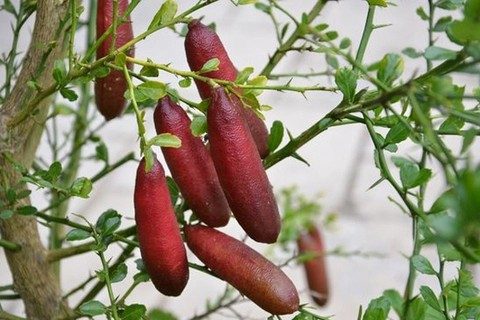
Finger limes - Photo: AU Fingerlimes.
Planting scale and fruit pulp characteristics
The Australian agricultural sector is witnessing a boom in finger limes (Citrus australasica), a native fruit once threatened with extinction due to past deforestation. Jade King, Chair of the Australian Native Fingerlime Alliance (ANFA), noted an increase in growers over recent years. Production scales now vary widely, from smallholder farmers to large Queensland plantations with over 19,000 recently planted trees.
Harvest yields currently average 10–15 kg/tree, bringing total national production past the 110-tonne mark annually. Key cultivars such as Red Champagne, Chartreuse, Byron Sunrise, and Emerald dominate the market thanks to variations in skin color and pearl size. The most distinctive feature of this produce is its pulp, composed of small jewel-like pearls that are slightly cohesive, juicy, and crunchy. When enjoyed, these tiny pearls burst with an explosion of tangy flavor, blending citrus notes with a delicate floral aroma.
Uses in food and drinks
In just a decade, public awareness of finger limes has seen a dramatic shift, rising from 10% to around 80%. Once an unfamiliar specialty, this "rainforest gem" now frequently appears on menus at upscale restaurants and on shelves in retail chains. Dubbed the "caviar of the plant world," the finger lime has become a top choice for professional chefs to elevate the flavors of grilled seafood, sushi, and refined desserts. The versatility of this fruit also extends to the beverage industry, serving as a highlight in cocktails like mojitos or martinis thanks to its sophisticated appearance and intense aroma.
Nutrition and export markets
Historically, finger limes belong to the Rutaceae family and are the result of thousands of years of evolution in the rainforests of Eastern Australia. Their outstanding nutritional value is a key factor driving consumer demand. Finger limes provide an abundant amount of Vitamin C, acting as an antioxidant that helps boost the immune system and reduce inflammation. The Vitamin E found in the fruit helps the body combat negative environmental impacts, alongside essential minerals such as potassium and folate. These biological properties give the product not only culinary value but also meet the trend for health-protecting functional foods.
Currently, about 50% of Australia's harvest is exported to demanding markets such as France, Japan, and Singapore in both fresh and frozen forms. Although this year's crop in Southeast Queensland started later than expected due to weather fluctuations, the appeal of this ancient produce has not waned. The combination of indigenous knowledge and modern farming techniques creates a sustainable path, helping finger limes assert their position as a premium agricultural product on the global food map.