
Farming expertise alone is not enough; "selling the experience" is the key
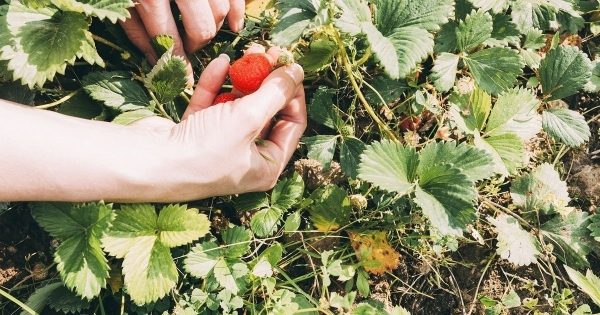
Illustrative image - Source: Freepik
Good agricultural products still "lose out" on the domestic market
The story of Mr. Vuong, a family farm owner, is a typical example of this situation. Despite having superior quality organic tomato products—chemical-free and visually appealing—he still struggled with market outlets and inventory management.
Statistical data reveals an alarming picture: Among family farms forced to close in recent times, up to 85% possessed high-quality, eco-friendly products. However, only 23% of them managed to maintain stable profit margins.
Ms. Ly, owner of an organic vegetable farm that was once a prestigious local supplier, admitted to losing out to large enterprises on price. More importantly, feedback from distribution channels showed that younger consumers' preferences have changed. They do not just buy vegetables; they look for the story behind the product and an enjoyable shopping experience. "Just knowing pure farming is not enough," Ms. Ly remarked.
The Rise of the "Experience Economy" in Agriculture
The agricultural market is witnessing a profound shift from "functional consumption" (meeting the need to be full) to "experiential consumption" (meeting emotional and leisure needs).
According to the 2023 New Consumer Trends Report in China, more than 68% of urban consumers are willing to pay over 20% more for agricultural products with "a story". This rate reaches up to 82% among young parents. Seizing this trend, the "Canh Dong Xanh Farm" model has successfully transformed from a traditional strawberry farm into an agritourism complex combining education and recreation.
Mr. Lam Dao, the farm owner, compared: "If selling commercial strawberries, the price is only about 30 CNY/kg (around 112,500 VND/kg). But when offering pick-your-own services combined with nature education, each family spends an average of 200 CNY (around 750,000 VND). The added value comes from selling 'family bonding time' rather than just fruit."
Three pillars of the experience commercialization strategy
Successful transformation models often combine three core elements, in which storytelling marketing plays a vital role. Amid an era of information overload, attention become valuable resources. Authentic stories about farming history, environmental protection efforts, or the journey to preserve native plant varieties will help products stand out and build deep emotional connections with buyers.
In addition, enhancing interactivity is an indispensable factor. Modern customers no longer want to play the role of passive observers. Models that allow them to participate directly in the production process—from sowing to harvesting—not only help reinforce trust in product quality but also generate significant service revenue. Finally, creating a consumption context by developing landscaped areas such as flower fields or craft workshop zones will help prolong customer stays, thereby increasing the average order value.
Transition roadmap for smallholder farmers
To adapt to the new landscape, experts recommend that traditional farms follow a transformation roadmap with 5 strategic steps. The first is to redefine their target customers, focusing on niche markets such as young families or people who embrace green living. Next, they should diversify their products and services by developing fruit-picking, camping and agricultural cultural experiences.
At the same time, farming households should boost multi-channel communications and leverage social media to tell their brand stories, while building communities through customer loyalty systems to stabilize output. Finally, inter-sectoral partnerships with education and tourism will help expand the customer base. Nevertheless, the immutable principle remains "anchoring on agriculture". Experiential activities and tourism are merely tools to add value, whereas agricultural product quality is the core foundation for sustainable development.
Market elimination signals that agricultural business models based purely on yield are becoming obsolete. In this new era, the ability to "sell experiences" and tell brand stories has become a vital survival skill for farmers.
The revitalization of Mr. Vuong's farm after adopting the "adopt a plot" model and organizing weekend experiences has proven a fundamental truth: The value of modern agriculture lies not only in harvest yields, but also in the spiritual and emotional values it brings to the community.