
Protein between nutritional needs and the food market
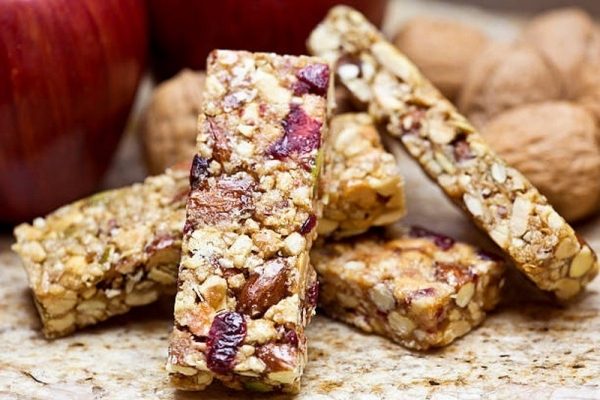
Food companies are bringing protein to supermarket shelves and restaurant menus, moving this nutrient beyond the gym and into mainstream consumption. (Photo: iStock)
Protein-rich products gain popularity
Once associated with gyms and diet regimens, protein has now become a new growth pillar for the global food industry.
As weight-loss drugs, healthy lifestyle trends, and sales pressures converge, major corporations are packing protein into everything—from coffee and breakfast pastries to bottled water. Behind the "healthy" image constantly promoted by the media and marketing campaigns lies a major question: What is genuine need, and what is just a sales strategy?
Food companies are bringing protein to supermarket shelves and restaurant menus, moving this nutrient beyond the gym and into mainstream consumption.
Coffee chains such as Starbucks and Dunkin' are offering "protein boost" options for beverages. Chipotle Mexican Grill—already famous for its protein-rich burritos—has now launched a "high-protein menu," featuring individual meat cups that provide between 15 and 81 grams of protein per serving.
Bodily needs and drivers of the trend
Protein is an essential component of a balanced diet, helping build, strengthen, and repair muscle. Recently, US dietary guidelines recommend that women consume about 46 grams of protein daily and men 56 grams.
However, high-protein intake is becoming a "fad", driven by popular diets, the appeal of social media "influencers", and the emergence of GLP-1 weight-loss drugs—which can cause muscle loss when users consume smaller portions. The new dietary guidelines released by the Trump administration even suggest nearly doubling protein consumption.
Enterprises betting on the protein market
Noticing shifts in consumer demand, food companies are betting on protein amid sluggish sales. At Keychain—an online platform connecting food brands and retailers with third-party manufacturers—searches related to protein product manufacturers surged by 64% in the last three months of 2025 compared to the same period in 2024, according to company CEO Oisin Hanrahan.
According to data from NielsenIQ, cereals, snacks, and daily dry foods are the segments attracting the greatest interest.
According to an analysis by Barclays, global protein demand could increase by 37% over the next five years, as more people use weight-loss medications and healthy eating trends spread to developing countries.
Research by agricultural processing corporation Ingredion shows that more than two-thirds of consumers are willing to pay 5–30% more for products promoted as high in protein.
Starbucks CEO Brian Niccol predicts protein will feature increasingly prominently on the chain's food menu.
PepsiCo, the beverage and snack food conglomerate, announced that this year it will introduce Doritos Protein, a high-protein version of its popular tortilla chips line, alongside launching a bottled beverage named Propel Clear Protein containing protein, electrolytes, and fiber. The protein is sourced from both animal and plant origins.
Nutritional debates and commodity fluctuations
US Government dietary recommendations, led by Health Secretary Robert F. Kennedy Jr, urge Americans to prioritize protein from both sources at every meal, though nutritionists criticize the overemphasis on red meat. Experts also note that most Americans already consume more protein than necessary, increasing the risk of being overweight.
According to Expana, a commodity market intelligence provider, the wholesale price of high-protein whey has surged by more than 60% over the past year as food companies depleted surplus inventory.
Coca-Cola is building a $650 million plant in New York to expand processing capacity for Fairlife, a subsidiary specializing in protein-rich ultra-filtered milk.
According to Numerator (a market research firm), Fairlife, along with Danone's Oikos dairy line and American yogurt producer Chobani, ranked among the Top 5 fastest-growing major brands in 2025.
One form of protein that has yet to truly win over consumers is plant-based meat substitutes. Revenue for Beyond Meat—the New York-listed vegan burger maker—is forecast to fall below $300 million in 2025, down from a peak of $464.7 million in 2021, according to estimates by Visible Alpha./.