
DIY excellent antifungal spray for garden plants using 1 kitchen ingredient
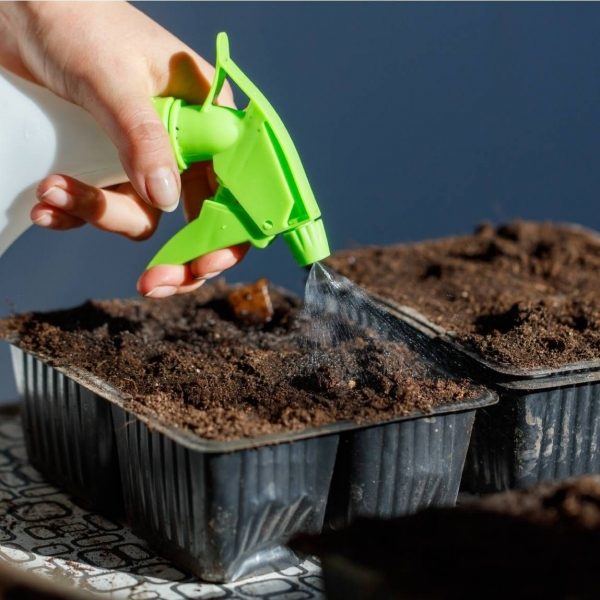
Baking soda has an antifungal effect on crops (Photo: Getty).
During the chilly early days of the year, not everyone thinks about gardening. In reality, however, this is a time when many plants easily face problems due to damp, cold weather and a lack of sunlight. In this context, a simple gardening tip is being widely shared: using baking soda (sodium bicarbonate)—a familiar kitchen ingredient—to make your own antifungal spray for plants.
Preventing plant fungi with baking soda
This suggestion comes from Ish, a gardener who regularly shares tips on his personal TikTok account. Ish's advice was featured in Mirror quoted. According to Ish, baking soda is not only used for cooking but also has many useful applications in the garden, especially during the early months of the year when humidity is high.
“Among the many uses of baking soda, one thing you can do for your garden is make an antifungal solution”, Ish shared. He emphasized that January is often "wet and unpleasant," making certain plants more susceptible to fungal attacks.
How to mix a baking soda antifungal spray for plants
According to Ish's instructions, preparing an anti-fungal baking soda solution for plants is quite simple and requires no elaborate tools:
Prepare a small spray bottle (about 500ml) and fill it with water.
Add 1 teaspoon of baking soda to the bottle.
Shake well to completely dissolve the baking soda in the water.
Lightly spray the solution onto the affected leaves once a week to help manage fungal problems.
Ish believes this is a prime example of how everyday pantry staples "can become wonderful helpers for the garden."
Which types of fungi does this solution help plants resist?

Baking soda solution can resist various types of fungi (Illustrative image).
In the video caption, Ish explains further about the effects of baking soda on plants. According to him, baking soda can create a natural antifungal solution, helping to limit black spot, powdery mildew, and many other fungal issues common to plants.
The working mechanism of baking soda lies in slightly altering the pH on leaf surfaces while creating a "salt barrier" that hinders fungal growth. As a result, plants are better protected in humid weather conditions.
However, this gardening expert also provides important cautions when using baking soda for plants:
Only use baking soda at the correct dosage and diluted, avoiding overuse as it may harm the plants.
Be cautious with salt-sensitive species, such as ferns, due to the risk of damage.
The solution is most effective when used preventively, rather than as a treatment once the fungus has spread widely.
Test-spray on a small area of the plant first to observe the reaction before applying it to the entire garden.
When applied with care, this is a handy tip worth keeping in mind for gardeners—cost-effective, eco-friendly, and making great use of everyday household ingredients.