
Hue City proactively prevents and controls animal diseases, protecting public health
Disease risks among livestock and poultry are evolving complexly. Source: InternetFacing the risk of complex disease outbreaks in livestock and poultry, the People's Committee of Hue City requested departments, agencies, and local authorities to coordinate and decisively implement animal disease prevention and control measures, protecting production, the environment, and public health. This is also a crucial task to build a safe, biosecure, and sustainably developing livestock sector.
Proactive from the grassroots, controlled from the herd
Pursuant to Official Letter No. 12261/UBND-NN dated August 13, 2026, on the synchronous and drastic implementation of animal disease prevention and control measures, the Hue City People's Committee requires the agricultural, health, and finance sectors, along with local commune and ward authorities, to take prompt action and avoid being caught unprepared by the outbreak and spread of diseases.
Preventing and controlling disease outbreaks in livestock herds is the responsibility of the entire society.The Department of Agriculture and Environment is assigned to continue implementing measures for preventing and controlling livestock and poultry diseases in accordance with directives issued in 2026, including solutions to rectify slaughter control, prevent and control African Swine Fever, and proactively monitor and respond to the risk of Foot-and-Mouth Disease caused by serotype SAT1 virus entering the city.
One of the key tasks is to accurately tally the total livestock population in the area to implement the Autumn 2026 vaccination campaign, striving for over 80% of the existing livestock herd to be vaccinated. Along with vaccination, disease surveillance must be conducted regularly to ensure early detection, timely warnings, and thorough handling right from the emergence of the first signs.
Specialized authorities are also required to strengthen quarantine, regulate the transport of animals and animal products, and inspect slaughtering; strictly handling acts of failing to report disease outbreaks, panic-selling or slaughtering diseased or suspected diseased animals, and discarding animal carcasses into the environment, which spreads pathogens.
Biosecurity is the first "shield"
In disease prevention and control, vaccination is a vital measure but not enough. The City People's Committee requires livestock farmers to regularly maintain biosecure farming practices, sanitation, and barn disinfection.
Cleaning and disinfecting with powdered lime and chemicals in and around livestock barns must be carried out rigorously and regularly. Farmers must also proactively monitor herd health and promptly notify specialized authorities upon detecting any abnormal signs.
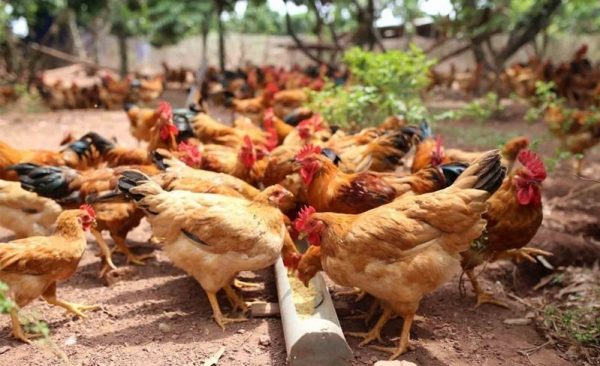
Proactively monitoring livestock health. Illustrative photoCommunes and wards are responsible for accurately recording total livestock herds to support vaccination; guiding residents to declare livestock farming activities and strictly comply with regulations on non-farming zones and swiftlet farming areas under Resolution No. 42/2025/NQ-HDND dated December 8, 2025, of the Hue City People's Council.
This not only contributes to containing disease outbreaks but also guides farmers to shift from production methods heavily reliant on responding to outbreaks after they occur toward proactive disease prevention, risk management, and biosecurity control from the start.
Prevent epidemics from becoming a risk to the community
Animal diseases not only directly affect farmers' production and income, but also impact the environment, food safety, and human health.
Therefore, the Department of Health is assigned to take the lead in inspecting and supervising the prevention and control of diseases capable of transmitting from animals to humans; detecting suspected cases early for timely isolation, treatment, and management, thereby minimizing the risk of community transmission.
The agricultural sector coordinates with the health sector and local authorities to implement activities for the prevention and control of zoonotic diseases; at the same time, it coordinates to control illegal cross-border transportation of animals and animal products, as well as animals of unknown origin.
The control of slaughtering, transportation, and veterinary hygiene should therefore be regarded as a key link in the chain ensuring disease safety linked to food safety. Effective control from farming and circulation to slaughtering will contribute to protecting consumers and improving the quality of livestock products.
Linking disease prevention and control with sustainable livestock development
The City People's Committee also requested the Department of Finance to review and advise on allocating resources for disease prevention and control in accordance with regulations, based on proposals from specialized agencies and local authorities.
When epidemics occur, communes and wards must concentrate resources to completely eradicate outbreaks and limit the emergence of new ones; organize the culling of infected and suspected animals according to regulations; and implement support policies for affected livestock farmers in accordance with the law.
In particular, local authorities must take firm action against the trading and transport of diseased animals and the dumping of animal carcasses that spread disease and pollute the environment. Disease reporting requirements must be fulfilled completely, accurately and promptly; local authorities are responsible for the accuracy of disease data within their jurisdictions.
Immediate tasks must be placed within the framework of the "Plan for Prevention and Control of Dangerous Infectious Diseases in Livestock and Poultry in Hue City, 2026 - 2030 period" issued under Decision No. 2744/QD-UBND dated August 27, 2025, by the City People's Committee.
In the long run, disease prevention and control must become an integral part of restructuring the livestock sector. A sustainable livestock industry must begin with healthy herds, biosecure farming facilities, controlled breeding stock and products, a protected environment, and producers who are conscious of their responsibility to the community.
Proactively preventing diseases instead of scrambling to deal with outbreaks; controlling from the barns rather than only when products reach the market; and protecting livestock alongside environmental and human health is indeed the right path toward developing green, safe, and sustainable agriculture.
With the coordinated involvement of various sectors, local authorities, and livestock farmers, animal disease prevention and control in Hue City not only protects livestock and poultry populations during disease outbreaks, but also lays the foundation for building a responsible, safe livestock industry that better adapts to future volatility. This serves as a vital condition for stabilizing production, protecting the environment, raising people's income, and moving toward a green, ecological, circular, and sustainable agriculture./.