
Risk of antimicrobial resistance spreading from livestock to humans
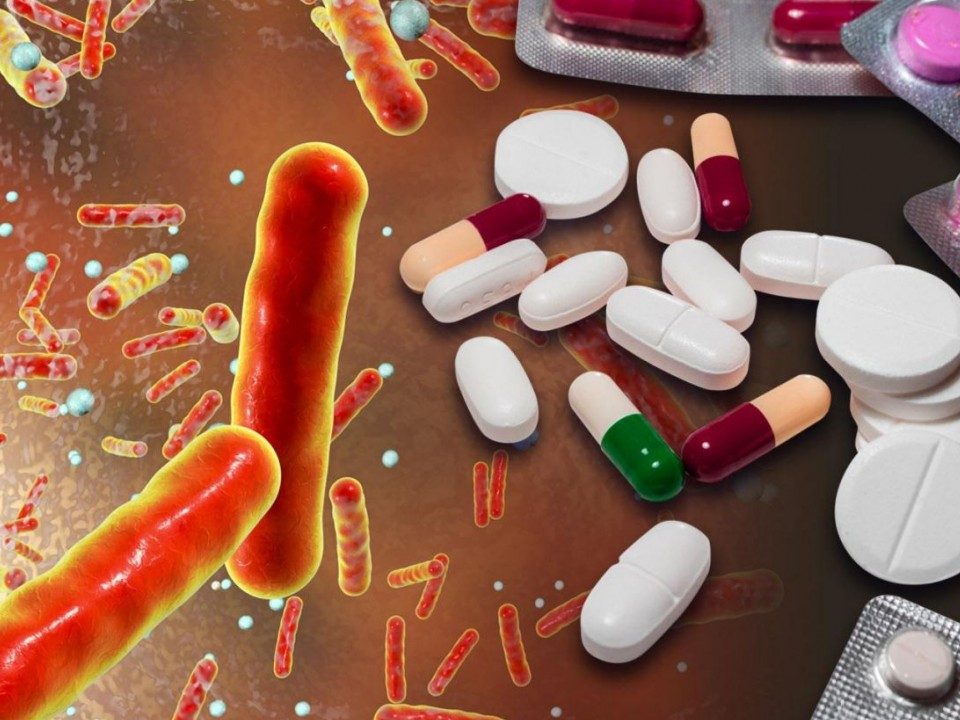
Illustration
Antibiotic resistance is a phenomenon where bacteria change and evolve to resist the effects of antibiotics. Consequently, medicines that were previously effective become useless, making disease treatment more difficult or even impossible. This is an issue in microbiology and public health, raised as a red alert by scientists and international organizations.
Why is livestock farming linked to antibiotic resistance?
In modern livestock farming, antibiotics are not only used to treat diseases but also for disease prevention and growth promotion. The widespread use of antibiotics without veterinary supervision has created conditions for bacteria in livestock to develop drug resistance.
Studies show that on many farms, antibiotics are mixed directly into feed or drinking water for livestock and poultry over long periods. This continuously exposes bacteria to the drugs, allowing them to gradually "learn" how to resist them. These drug-resistant bacteria can persist in meat, eggs, milk, or farming environments such as soil, water, and air.
Routes of transmission to humans
Antibiotic-resistant bacteria from livestock can be transmitted to humans through several pathways: Food: When humans consume undercooked or contaminated meat, eggs, or milk, drug-resistant bacteria can enter the body. Direct contact: Livestock farmers, slaughterhouse workers, or food processors can become infected through contact with animals carrying drug-resistant bacteria. Environment: Livestock waste containing drug-resistant bacteria can spread into water sources, soil, and air, thereby affecting surrounding communities.
Once they have entered the human body, these bacteria can cause hard-to-treat diseases such as pneumonia, bloodstream infections, and gastrointestinal infections. In many cases, doctors are forced to use stronger, more expensive antibiotics, and may even run out of effective treatment options.
Consequences for public health
Antibiotic resistance is not only an issue in livestock farming but has become a global health crisis. According to the World Health Organization (WHO), without timely control measures, antibiotic resistance could cause tens of millions of deaths annually by 2050.
Consequences of antibiotic resistance include: Increased mortality rates: Common infections become more dangerous. Skyrocketing medical costs: Prolonged treatment periods and the need for expensive drugs. Risk of disease outbreaks getting out of control: Infectious diseases spread more easily and become harder to contain. Impact on agricultural production: Sick livestock are harder to treat, causing economic losses.
Current situation in Vietnam
In Vietnam, the livestock industry is developing rapidly, but antibiotic stewardship still faces many shortcomings. Some small-scale livestock households lack adequate knowledge, still using antibiotics based on personal experience or word of mouth. Meanwhile, the control over the sale of veterinary drugs in some areas remains lax.
In recent years, authorities have intensified inspections and issued various regulations to limit antibiotic use in livestock production, particularly banning antibiotics as growth promoters. However, major challenges remain due to entrenched production habits and profit pressures.
Control and prevention solutions
Preventing the risk of antibiotic resistance spreading from livestock to humans requires coordinated efforts among multiple stakeholders:
Responsible antibiotic use
Livestock farmers should only use antibiotics when prescribed by a veterinarian, adhering strictly to the dosage and duration of treatment. Do not overuse antibiotics for disease prevention or growth promotion.
Applying biosecure livestock farming
Improve barn sanitation, ensure complete vaccination, use clean feed, and manage the livestock environment effectively to reduce the risk of diseases without relying on antibiotics.
Developing organic livestock farming
The organic livestock model minimizes the use of antibiotics, using natural remedies instead to boost livestock immunity. This is a sustainable direction that aligns with modern trends.
Strengthen monitoring and management
Competent authorities need to strictly control the production, trading, and use of antibiotics in livestock farming. At the same time, food quality inspections must be enhanced before products enter the market.
Raising community awareness
Consumers need to choose safe food with clear origins, and at the same time understand the harms of antimicrobial resistance to change their consumption behavior.
The role of the "One Health" approach
Addressing antibiotic resistance requires a holistic approach known as “One Health”, connecting humans, animals, and the environment. This approach emphasizes that human health cannot be separated from the health of livestock and ecosystems.
International organizations such as the Food and Agriculture Organization of the United Nations (FAO) and WHO are actively promoting this model to control antimicrobial resistance globally. Antimicrobial resistance from livestock to humans is a silent yet extremely serious threat. Without timely control measures, we could return to an era where even simple infections can be fatal.
Therefore, every individual—from livestock farmers and managers to consumers—must take responsibility for the use and control of antibiotics. Only with the concerted efforts of the entire society can we effectively safeguard this antibiotic "weapon"—one of humanity's most important medical achievements./.