
Hot season: Shrimp pond bottom sludge management to minimize toxic gases and diseases

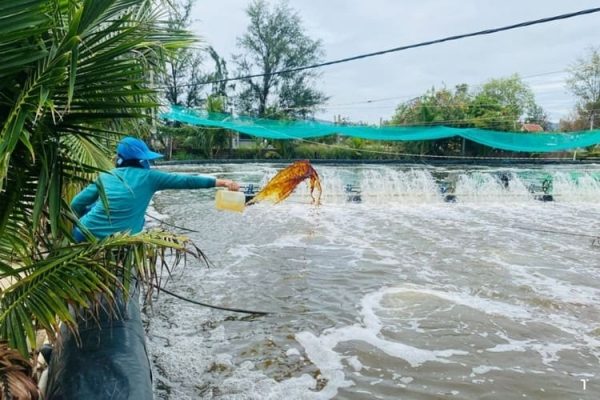
Using microbial products helps keep the pond bottom cleaner and reduces toxic gas emissions. Photo: Tep Bac
Impact
In intensive shrimp farming, especially during the hot season, pond bottom sludge directly affects shrimp health and the stability of the culture environment. This sludge layer is formed from leftover feed, shrimp feces, dead algae, and organic matter accumulated throughout the farming cycle. As water temperatures rise, organic matter decomposes more rapidly, generating toxic gases such as NH₃ and H₂S. This causes shrimp to become stressed, lose appetite, surface at dawn, and face an increased risk of hepatopancreatic, intestinal, or white feces diseases.
Causes of bottom sludge surge during hot weather
The hot season is when organic decomposition occurs very rapidly. When water temperatures exceed 30°C, the activity of anaerobic bacteria at the pond bottom surges, leading to bottom-layer oxygen depletion and the formation of foul-smelling black sludge. If not treated promptly, the pond environment will quickly become unbalanced, reducing shrimp survival rates and growth rates.
Another important cause is improper feed management. Under favorable weather conditions, many farmers often increase feed rations to promote growth. However, if uneaten by shrimp, the excess feed settles to the bottom and becomes an organic pollutant. In addition, the phenomenon of algae blooming intensely and then crashing abruptly during hot weather accelerates the accumulation of dead algae on the pond bottom, worsening the benthic environment.
Signs
In fact, farmers can recognize a deteriorating pond bottom through various signs such as a foul odor at the bottom, air bubbles appearing when paddlewheels run, reduced feed intake in shrimp, broken or empty shrimp intestines, or shrimp gathering along pond edges early in the morning. When these symptoms appear, it is necessary to promptly reduce feed, increase aeration, siphon the pond bottom, and add organic-degrading probiotics to prevent the environment from worsening further.
Solutions
Feed management: Farmers should regularly check feeding trays to adjust feed portions according to the shrimp's actual appetite. Dividing daily meals into smaller portions helps shrimp absorb nutrients better and reduces excess feed settling to the bottom. In addition, supplementing digestive enzymes into the feed helps enhance nutrient absorption, reduces fecal waste, and minimizes the buildup of organic sludge in the pond.
Increase pond bottom oxygenation: In addition to surface paddlewheel aerators, high-density ponds should enhance bottom aeration to improve dissolved oxygen in the bottom layer. Maintaining stable oxygen levels not only limits black sludge formation but also creates favorable conditions for beneficial microorganisms to function more effectively.
Periodic bottom siphoning: When shrimp reach a larger size, siphoning daily or every other day helps significantly reduce organic matter on the pond bottom, limit toxic gases and stabilize water conditions. The best time to do this is usually early in the morning or after the last feeding of the day. Regular siphoning keeps the pond bottom clearer and helps reduce the risk of disease outbreaks during hot weather.
Use microorganisms to treat pond bottoms: Microbial strains such as Bacillus, Nitrosomonas and Nitrobacter capable of decomposing organic matter, transforming toxic gases, and stabilizing the microbiome in aquaculture ponds. However, to achieve high efficiency, farmers need to apply probiotics at the right time, combine them with increased oxygen, and avoid concurrent use with disinfectant chemicals. Once the microbiome stabilizes, the pond bottom environment will be cleaner and fewer toxic gases will be generated.
Algae control: Maintain stable water color, limit excess nutrients, and periodically supplement minerals and beneficial microbes to balance the pond ecosystem. Good algae control not only helps stabilize water quality but also reduces the burden of pond bottom treatment.