
Knowledge on controlling rice blast disease
Causes of disease
Rice blast is caused by the fungus Magnaporthe oryzae. This fungus can spread very quickly via wind and water. Fungal spores survive on straw residues, weeds, or in the soil, then invade rice plants when favorable conditions arise. The fungus thrives in humid weather conditions, temperatures between 20–28°C, overcast skies, heavy fog, or prolonged drizzle. Fields with high nitrogen fertilization, dense planting, or susceptible varieties often face a higher risk of severe disease.
Recognizable symptoms
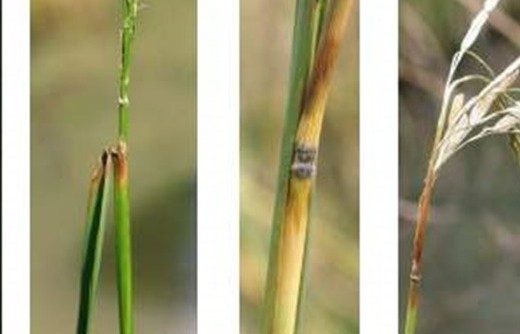
Rice blast disease can damage multiple parts of the rice plant: On leaves: Diamond-shaped lesions appear with ash-gray centers and brown borders. When severe, the lesions merge, causing the leaves to dry up and wither. On the panicle neck (neck blast): This is the most dangerous form. Lesions constrict the panicle neck and turn brownish-black, leaving the panicle completely empty. On stems and nodes: Causes stem rot, making plants prone to lodging. Early detection at the leaf stage is crucial for effective prevention and control to prevent the disease from spreading to the panicle neck.
Harmful effects of the disease
Rice blast disease can reduce yields by 20–50%, or even result in total crop loss if severe outbreaks occur during the heading stage. In addition, rice quality is compromised due to a significant increase in empty and partially filled grains. The disease develops quickly and is difficult to control without timely preventive measures.
Principles of pest and disease control
Prevention is primary, while treatment must be timely and proper. Apply an integrated combination of measures from cultivation and seed selection to chemical treatments to achieve high and sustainable efficacy.
Cultivation practices
Choose disease-resistant varieties: Using rice varieties with good resistance to blast disease is a long-term, effective solution. Plant in the right season: Avoid planting when weather conditions favor fungal development. Proper density: Do not sow too densely to ensure good field ventilation and reduce humidity. Balanced fertilization: Avoid excessive nitrogen, increase potassium and organic fertilizers to boost plant resistance. Proper water management: Maintain stable water levels, avoiding prolonged periods of excessive dryness or moisture. Field sanitation: Clear post-harvest residues and plow under straw to eradicate disease sources.
Biological measures
Currently, many biological products containing antagonistic microorganisms such as Trichoderma fungi are used to inhibit the growth of pathogenic fungi. This is an environmentally friendly approach, safe for both producers and consumers.
Chemical measures
When the disease appears or poses a risk of outbreak, plant protection products must be used timely and properly: Spray preventively when weather conditions favor disease development or upon detecting the first disease lesions. Use specific fungicides for blast disease as recommended by the agricultural sector. Spray at the correct dosage, ensuring sufficient water volume and even coverage on the leaves. Do not overuse chemicals to prevent resistance and environmental pollution. In particular, during the panicle initiation and heading stages of rice, spray preventively against neck blast at the right time (5–7 days before and after heading) to protect crop yields.
Monitor and forecast disease outbreaks
Farmers should regularly inspect their fields, monitor weather changes, and track pest and disease developments for early detection. At the same time, they should stay updated with pest forecasts from specialized agencies to take timely action.
Some important notes
Do not apply nitrogen fertilizer late when rice plants have reached jointing or booting stages. Do not spray pesticides when rain is imminent or under intense sun. Rotate crops to limit the accumulation of pathogens in the soil. Use pesticides according to the "4 Rights" principle: right chemical, right dose, right time, and right method.
Rice blast is a major threat to rice production, but it can be completely managed if proper technical measures are applied. The synchronized combination of solutions—from seed selection and farming practices to rational pesticide use—will help minimize damage. Against the backdrop of climate change causing complex weather patterns, farmers need to be even more proactive in pest and disease control to ensure sustainable productivity and economic efficiency./.