
Vegetable diversity - The “key” to boosting food systems' resilience to climate change
Ảnh minh họa: Freepik
In late July, a group of international scientists called for a coordinated global effort to "conserve, preserve, and better utilize" vegetables not currently cultivated on a large agricultural scale, while warning that the current food system relies too heavily on a handful of familiar crops.
A report published in the multidisciplinary, peer-reviewed journal Proceedings of the National Academy of Sciences (PNAS) cited vegetables such as spider plant in Africa, bitter melon in Asia, and slippery cabbage in the South Pacific as prime examples of vegetables that can help diversify diets while supporting agriculture to better adapt to climate change.
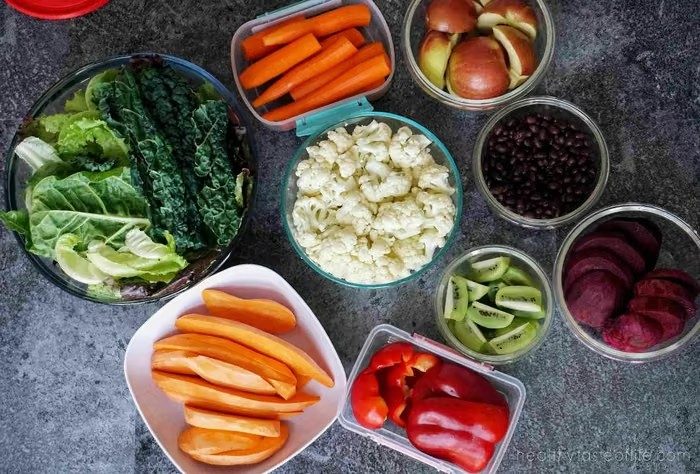
The current food system relies excessively on just a few familiar crops. Photo: Work Week Lunch
According to experts, relying solely on familiar crops—such as standard varieties of eggplant, kale, cabbage, carrots, lettuce, onions, and tomatoes typically found in supermarkets—may not be sufficient to cope with future climate challenges.
"The solution is not simply to grow more vegetables. It is also to grow more types of vegetables," said Maarten van Zonneveld, the agricultural scientist leading the study, in a statement to the World Vegetable Center.
Researchers note that there are currently at least 1,480 species of edible vegetables around the world. Preserving these vegetable species goes hand in hand with making nutrient-rich foods more accessible and affordable to more people.
Vegetable biodiversity is under threat
According to the report, the biodiversity of vegetables—meaning the "entire spectrum" of existing vegetable species—is rapidly declining. Researchers said that about 80% of studies reviewing the loss of genetic diversity in vegetables recorded significant declines over the past century.
Ảnh: TasteAmong the wild relatives of 79 major vegetable crops assessed for extinction risk, about one in four is threatened with disappearance. Meanwhile, research and breeding efforts remain largely focused on a small group of high commercial value crops, such as tomatoes and peppers, while nutrient-rich vegetables like spinach or red cabbage receive far less attention.
"Vegetable biodiversity is one of the world's most valuable assets, helping to improve nutrition and support agriculture in adapting to climate change," Colin Khoury, Senior Director of Global Crop Diversity at Crop Trust—a non-profit organization dedicated to crop diversity conservation—told the World Vegetable Center.
"Yet we are losing this resource right when we need it most. Conserving vegetable biodiversity is not just about preserving the past. It is also about securing more options for the future."
Ảnh: Nourish Inside OutEncouraging vegetable biodiversity—and offering a wider variety of options on supermarket shelves—could have far-reaching impacts. According to researchers, on average, people worldwide currently consume about 40% fewer vegetables than recommended by the World Health Organization (WHO).
This figure is even higher in low-income countries, and insufficient vegetable consumption is ranked among the top five dietary risk factors for disease globally, according to researchers.
As previously reported by The Guardian, UN data shows that more than a third of the world's population cannot afford a healthy diet, highlighting the need to make vegetables more accessible and affordable.
The story of vegetable diversification goes beyond just personal taste or preference. Photo: The New York TimesCultivating and consuming a wider variety of vegetable species can help address more than one of the aforementioned challenges simultaneously. Researchers point out that many vegetables grown on a small scale are often better adapted to local farming conditions than imported varieties, while potentially offering higher vitamin and mineral contents.
The story of vegetable diversification does not just stop at personal taste or preference, but is directly linked to food security and long-term climate change resilience.
As more indigenous vegetable varieties face the threat of disappearing, bringing lesser-known greens back to the dining table is not merely restoring a part of agricultural heritage, but also opening up more choices for the future—both in terms of nutrition and the resilience of the global food system.