
Organic farming is a production method based on soil fertility, ecological balance, and biodiversity, minimizing external inputs and not using synthetic agrochemicals.
1. A Brief History of Organic Farming
20th-Century Origins of Organic Farming
The concept of organic was developed between the 1920s and 1940s, before synthetic agrochemicals became widespread. Pioneers focused on improving traditional farming systems, using soil humus and on-farm ecological balance as their foundation.
As high-yielding varieties, mechanization, and agrochemicals expanded during the Green Revolution, organic farming continued to maintain practices such as composting, crop rotation, and green manure cropping. Since the 1990s, awareness among producers and consumers has grown sharply, alongside advancements in biological pest management and more efficient farming systems.
2. Organic Standards
Organic producers must comply with standards that clearly define what can and cannot be done in farming. PGS standards guide the protection of biodiversity, establishment of buffer zones, prevention of parallel production that causes contamination, seed selection, and control of input materials.
- Maintain biodiversity within fields and adjacent habitats.
- Establish a buffer zone of at least 1 meter, expanding it when contamination risks are high.
- Store and transport organic products separately, with clear labeling.
- Prioritize organic seeds; do not use genetically modified materials.
- Check all materials against the PGS-approved input list.
- Register production land, keep records, and participate in annual inspections for certification.
3. Building Soil Fertility
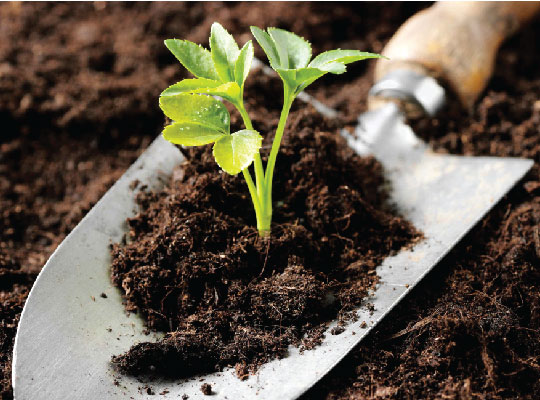
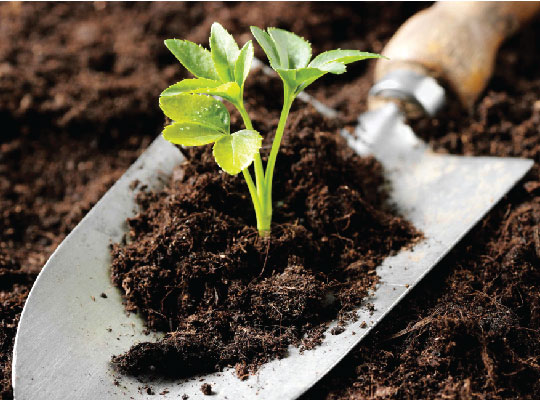
Healthy soil produces healthy crops. Soil fertility and structure are improved using compost, hot-composted animal manure, green manure crops, rock minerals, microbial fertilizers, and liquid fertilizers. Chemical fertilizers are strictly prohibited because they negatively impact soil organisms and soil structure.
Compost should be mixed with approximately 50% green materials, 25–30% straw or rice husks, and 20–25% animal manure. The compost pile should be about 1.5 m high, protected from rain, monitored for temperature, turned after two weeks, and turned again after three weeks to maintain the decomposition process.
- All animal manure must be hot-composted before being applied to the soil.
- A well-managed compost pile reaches 50–60°C for 2–3 days and maintains it for 1–2 weeks.
- Grow legumes, cover crops, and green manure crops to add organic matter, fix nitrogen, and protect the soil.
- Natural minerals, biofertilizers, and liquid fertilizers should only serve as supplements, never replacing compost and green manure crops.
4. Soil and Water Management
Advance planning is essential before production, allowing about two weeks between compost application and planting. Reduce tillage frequency and depth, avoid tilling when the soil is too wet, build appropriate raised beds for drainage, and avoid stepping on bed surfaces.
Mulching the soil with straw or plant materials helps reduce erosion, prevents soil compaction, adds organic matter, and conserves moisture. During dry spells, clean, uncontaminated water must be used for irrigation.
- Keep plant canopies close together and mulch between rows when materials are available.
- Weed on sunny days; never use herbicides.
- Rotate weed-competitive crops prior to planting weed-sensitive crops.
- Apply fertilizer close to the plants rather than scattering it across the entire bed.
5. Crop Rotation
Growing different crops sequentially on the same plot helps reduce the risk of nutrient depletion and prevents pathogen buildup. Alternate deep-rooted crops with shallow-rooted crops, tall crops with rapid ground covers, and heavy feeders with light feeders.
A five-group vegetable rotation allocates about 20% of the land to green manure crops at a stage in the cropping cycle, allowing the soil time to restore fertility for subsequent crops.
6. Pest and Disease Management
The fundamental principle is that healthy plants possess stronger resistance. Combine field sanitation, pruning, crop rotation, companion planting, traps, thorough soil preparation, and habitat creation for natural enemies. Only use botanical or biological preparations when preventive measures prove insufficient.
- Scout fields regularly to monitor pests, diseases, and natural enemies.
- Provide habitat for spiders, praying mantises, ladybugs, birds, and beneficial insects.
- Remove diseased leaves and crop residues to reduce infection sources.
- Record the date, type, and amount of all materials used in the production logbook.
- Use dedicated spraying equipment solely for organic plots.
7. Harvesting and Storage
Harvest vegetables while they are still young, handling them carefully to prevent bruising and decay. Organic vegetables must be stored and transported separately from conventional produce, clearly labeled, and kept away from substances or packaging previously exposed to prohibited materials.
8. Tools and Equipment
Sprayers must be reserved exclusively for organic production; conventional plots must have separate sprayers. Hoes and shared tools must be thoroughly washed before being brought into organic fields.
Need advice on PGS certification?
Contact the PGS Vietnam Coordination Committee for assistance.
Contact Now