
Organic agriculture is a relatively new farming model that is being emphasized and implemented in Vietnam, but it has long been applied in developed countries. IFOAM is an organization focused on promoting the development of organic and sustainable agriculture worldwide, while also playing an important role in establishing standards and regulations for organic agriculture.
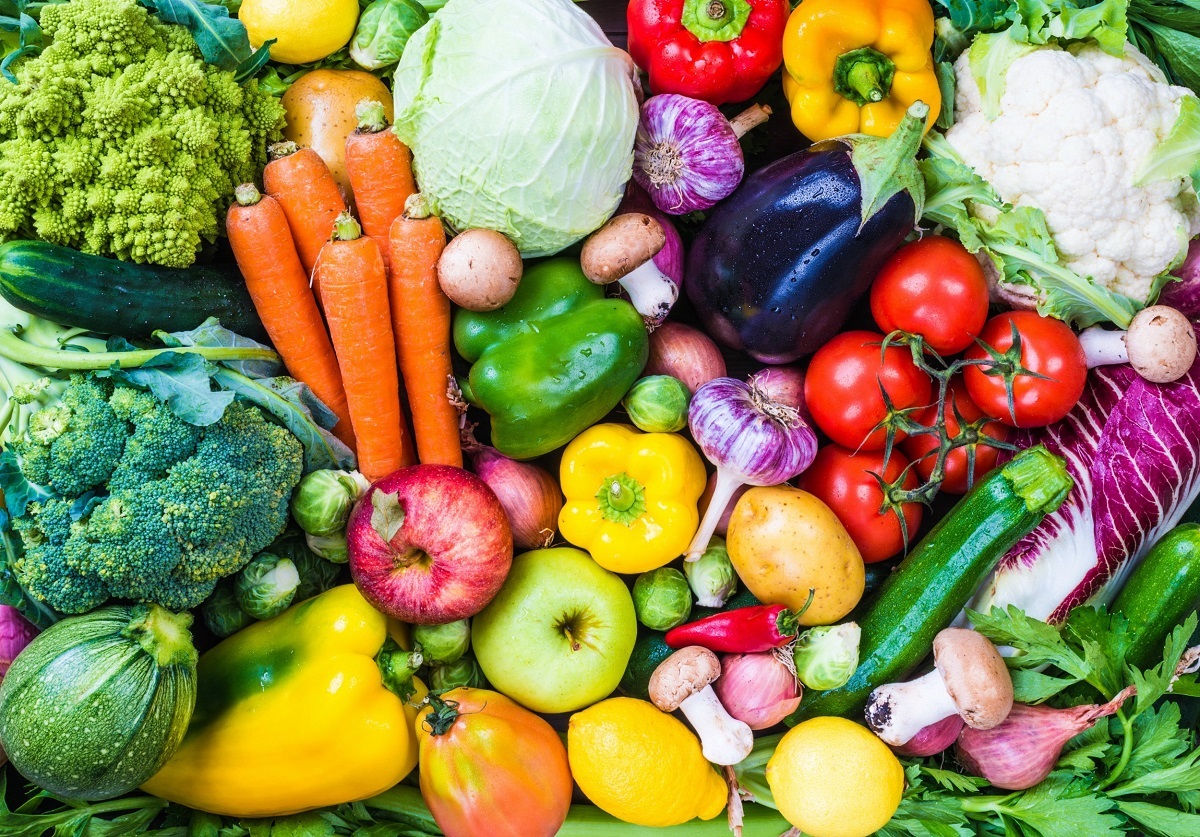
Fundamental Principles of Organic Agriculture
Role and History of IFOAM
IFOAM (International Federation of Organic Agriculture Movements) is an international non-governmental organization founded in 1972, headquartered in Bonn, Germany. This organization focuses on promoting the development of organic and sustainable agriculture worldwide, while also playing an important role in establishing standards and regulations for organic agriculture.
The principles stipulated by IFOAM aim to ensure crop and livestock ecosystems and create safe, high-quality products for consumers. In addition, organic farming brings economic efficiency, while maintaining and enhancing long-term soil fertility. Examples include methods of growing vegetables, tubers, and fruits without using any toxic chemicals for plant protection to eliminate pests, diseases, and weeds, as well as chemical fertilizers, with production oriented toward ecological balance in nature.
In developed countries, over the past several decades, organic agriculture has shown that humans can nourish the world in a sustainable manner and in harmony with the ecosystem. Particularly in the EU, agricultural farming has completely eliminated the use of synthetic chemicals, inorganic fertilizers, plant growth regulators, stimulants, and antibiotics in livestock farming. Organic farmers rely on crop rotation, utilizing crop residues, animal manure, and mechanical cultivation to maintain soil fertility, ensuring that crops are supplied with adequate nutrients while keeping weeds, pests, and diseases under control. Organic farming improves and maintains natural landscapes and agroecosystems, avoids overexploitation that causes environmental pollution, and minimizes the use of energy and non-renewable resources. The goal of organic agriculture is to maximize health safety and productivity efficiency for the community, ensuring independence across soil, crops, livestock, and people.
In more than half a century of operation, IFOAM has established four guiding principles for organic agriculture: Health, Ecology, Fairness, and Care. These principles not only benefit the environment but also play an important role in promoting sustainability, biodiversity, and overall well-being.
Health
The first principle set forth by IFOAM emphasizes the importance of sustainable farming that benefits health. Health here is not narrowly confined to human meaning, but encompasses the health of the entire ecosystem, such as nurturing soil health to support plant and animal life. Organic agriculture, with its emphasis on soil health, has offered practical solutions such as nourishing the soil through practices like composting, cover cropping, intercropping, crop rotation, and the use of legumes; organic agriculture maintains and enhances soil fertility and reduces the need for chemical inputs.
_Healthy soil not only produces nutrient-rich crops but also further promotes the “One Health” principle, emphasizing the interconnection among human health, animal health, and our environment._
And naturally, IFOAM also focuses on protecting human health by directing toward the consumption of clean organic food. Less than 20 years ago, agricultural farming in Vietnam still had the word-of-mouth saying: "two beds of vegetables, two pigsties"—meaning one vegetable bed grown for the family to eat (organic vegetables), and another bed treated with chemical fertilizers and growth stimulants to... sell to consumers. That dangerous mindset and overreliance on synthetic fertilizers and chemical pesticides led to soil degradation, damaged crop quality, and could have negative impacts on people's livelihoods.
Sinh thái
This principle shows how all ecosystems are interconnected and that the issue of biodiversity loss must be addressed immediately. In IFOAM's view, land-use change, heavy use of synthetic inputs, and genetically modified organisms (GMOs) pose direct threats to biodiversity. Furthermore, agricultural practices such as monoculture and industrial agriculture strip land of its natural habitats and threaten ecosystem components. For example, if one day bees and butterflies no longer exist, natural pollination will be destroyed; therefore, wild animals are also essential for sustainable food systems.
_By avoiding the use of GMOs and synthetic chemicals, organic farmers create habitats for beneficial insects and foster diverse ecosystems._
To have organic agriculture, there must be Organic Farmers, and they are a vital component in promoting biodiversity. By avoiding the use of GMOs and synthetic chemicals, organic farmers create habitats for beneficial insects and foster diverse ecosystems on their farms. In doing so, they protect pollinators such as bees, beneficial insects, and other wildlife, not only sustaining the environment but also contributing to better crop yields through natural pest control.
Fairness
The principles of organic farming place fairness at the core of their practices, extending to the welfare of not only humans but also other wild animals. This principle encourages a fairer food system and provides fair and ethical treatment for farm workers and animals. Many Vietnamese people once laughed upon hearing about TH True Milk giving cows warm showers, playing relaxing music for them... but that is indeed part of the fairness principle in organic farming.
_Organic farming places fairness at the core of their practices, extending to the welfare of not only humans but also other wild animals._
This means ensuring that animals have access to pastures, banning the routine use of antibiotics and growth hormones in livestock farming, and providing humane conditions for animals. In addition, the fairness principle in organic farming requires establishing food supply chain systems that are transparent, equitable, and mindful of environmental and social costs. To help you visualize this principle more clearly, an example can be drawn from the tariff barriers of EU countries. A product processed from genetically modified plants (GMOs) such as corn or soybeans originating from the US entering the EU faces immense difficulties, and even when it is proven that the genetic modification causes no harm to humans, it is still taxed at a very high rate compared to products certified as free of GMO ingredients. That is fairness, because part of those tax revenues is used by the EU to support organic farmers within their territory.
Care
The principle of responsible and conscientious practice extends to protecting the Earth's environment and ensuring the well-being of future generations. In practical terms, organic farmers adhere to this principle by minimizing the use of synthetic chemicals, conserving water resources, and enhancing carbon sequestration through promoting healthier soils. This multifaceted approach not only lowers their carbon footprint but also implements sustainable farming techniques, ultimately minimizing environmental harm. This commitment to environmental stewardship plays an important role in fostering a more sustainable and resilient food system.
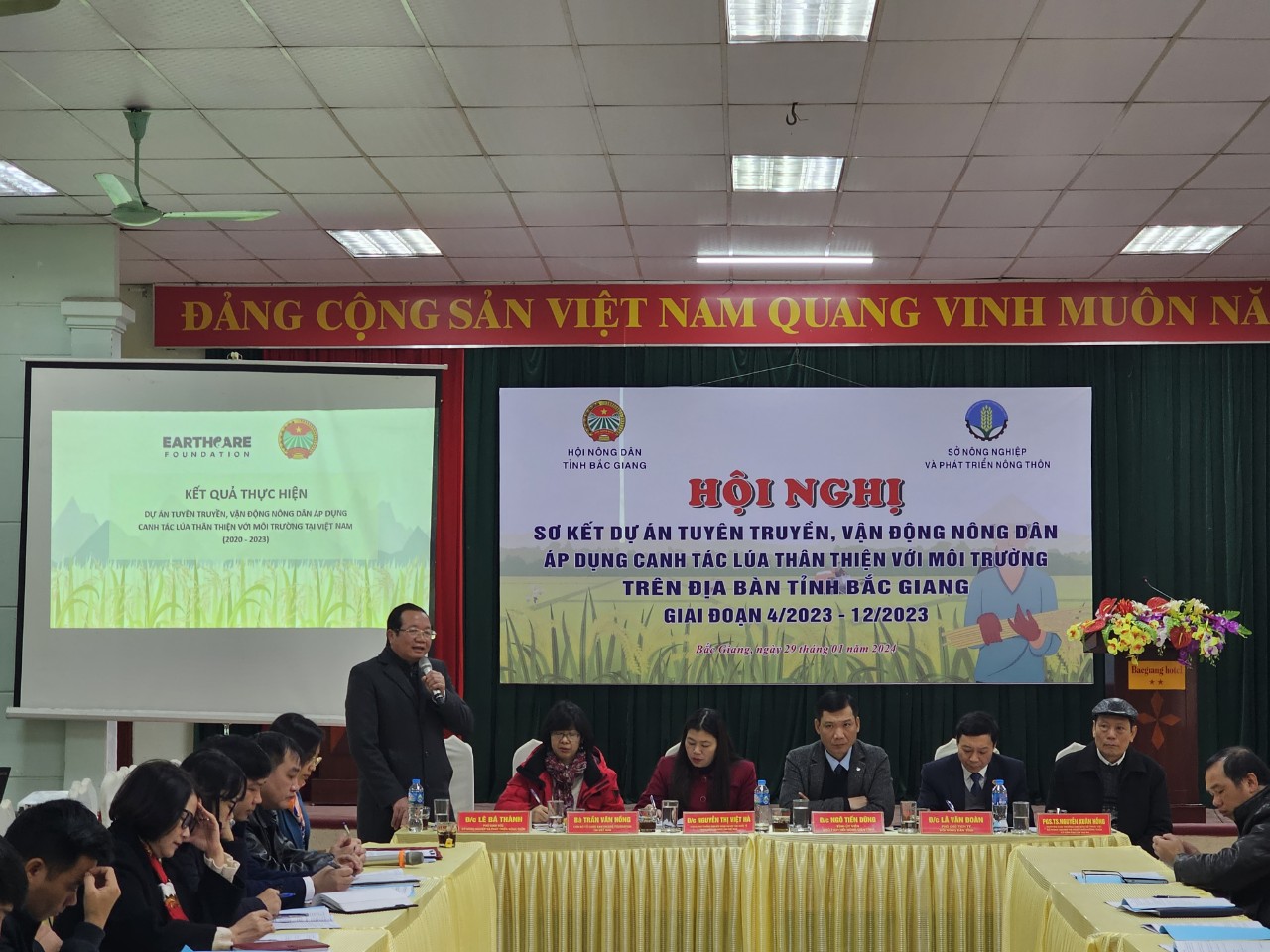
An example can be taken from Bac Giang province in Vietnam, where farmers are piloting "Environmentally Friendly Rice Farming". This new farming method has helped farmers save water, limit pests and diseases, and reduce the number of fertilizer applications; thereby significantly lowering production costs, maintaining rice yield and quality, and notably contributing to reducing greenhouse gas emissions compared to traditional farming. In the future, the carbon credits accumulated through this farming method will turn into cash and return to support the farmers themselves.


Need advice on PGS certification?
Contact the PGS Vietnam Coordination Committee for support.
Contact now